Yemen Conflict Hits Saudi Arabia: Flight Disruptions and Red Sea Risks
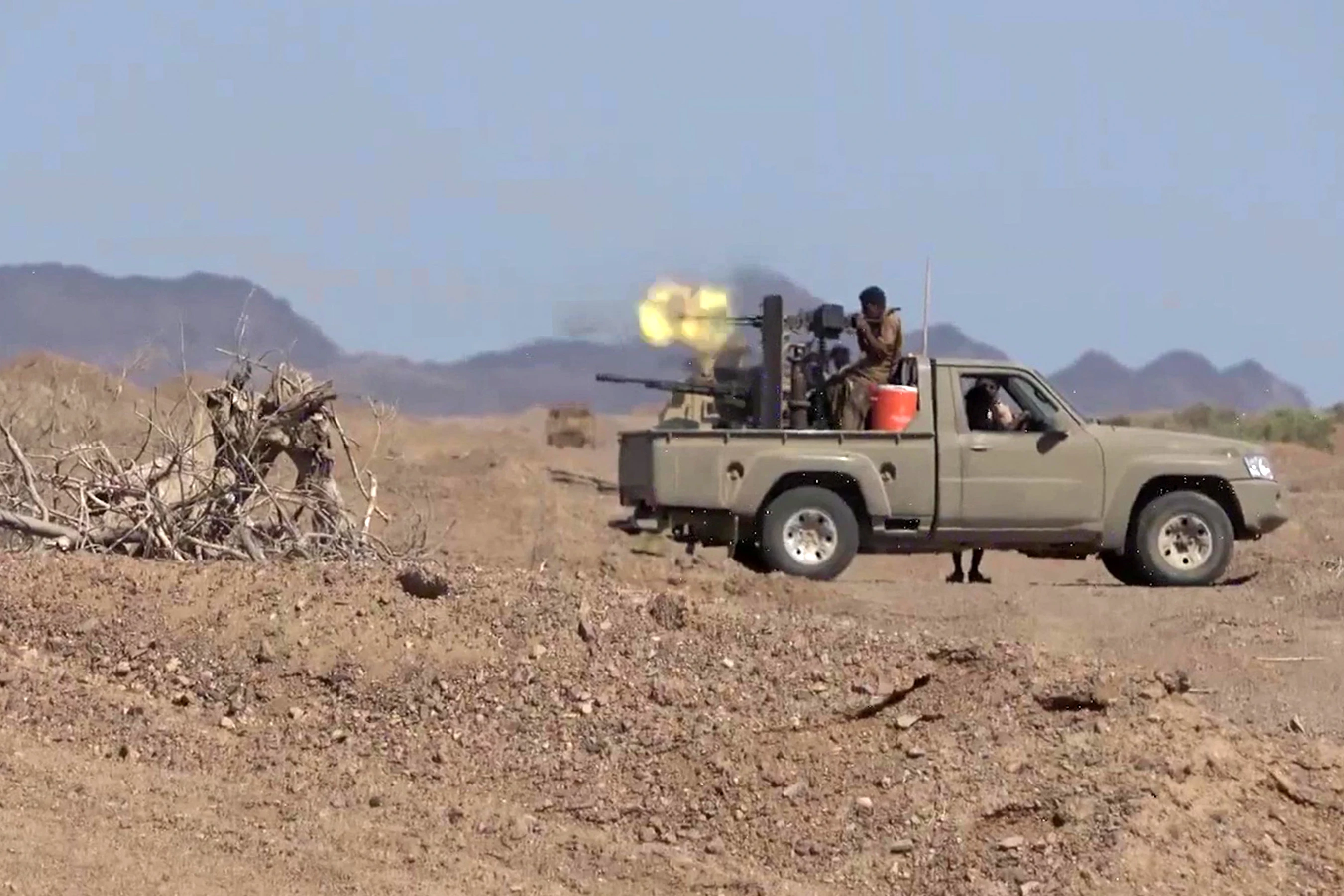
The conflict in Yemen has reached a violent new peak, with fighting spilling deep into Saudi Arabian territory and causing significant disruption to regional aviation and trade. In a single 24-hour period, more than 270 people were reported dead, including approximately 115 government forces and 160 Houthi rebels.
The escalation has sent shockwaves through the region, particularly for the millions of expatriate workers living in Saudi Arabia. As tensions rise, residents in major hubs like Riyadh, Jizan, and Najran have reported hearing heavy explosions, leading to growing concerns over safety and travel stability.
Aviation Chaos and Expat Disruptions
Air travel in southern and central Saudi Arabia has been heavily impacted by the sudden surge in hostilities. Data from Flightradar24 indicated intermittent closures at King Khalid International Airport in Riyadh, a major gateway for international travelers. While Houthi military spokespersons claimed successful drone and missile strikes on Riyadh’s airport, Abha Airport, and the King Khalid Airbase, these claims have not been officially verified by government sources.
The Saudi-led coalition has maintained that its defense systems successfully intercepted several ballistic missiles and drones. Specifically, a missile targeted at Khamis Mushait—a critical location for air operations—was intercepted, as was another projectile north of Riyadh. However, the uncertainty has left many travelers stranded. Expatriates from India and Pakistan, among the largest worker populations in the Kingdom, are facing significant flight disruptions and schedule changes in Riyadh, Jizan, and Najran.
Authorities in Jizan and Najran confirmed that earlier strikes on Monday night resulted in injuries to at least three people and caused damage to local property.
'Operation Dawn of Yemen' and Ground Combat
In response to recent Houthi advances, the Saudi-backed government has launched a massive military offensive dubbed 'Operation Dawn of Yemen'. The primary objective of the operation, led by the Presidential Leadership Council, is to reclaim Sanaa, which has been under Houthi control since 2014.
The scale of the military response is significant:
- The coalition reported deploying 100 combat aircraft at the onset of the operation.
- Military officials claim 324 high-value targets have been destroyed.
- Intense ground combat is currently concentrated in the southwestern Taiz region and the strategic Bab al-Mandeb strait.
While military sources claim control over key hills above Al-Mansoura in the Al-Wazi'iyah district, these reports remain a point of contention, with Houthi forces disputing the territorial gains.
Humanitarian Crisis and Strategic Chokepoints
The human cost of the renewed fighting is mounting rapidly. According to the United Nations, over 184,000 people have been displaced along the Red Sea coast. The displacement has accelerated in recent days, with 22,000 people fleeing their homes between late September and early October, and another 6,500 displaced on October 4 alone.
The conflict is not merely a local struggle but a threat to global stability. The fighting is centered around the Bab al-Mandeb strait, a vital chokepoint for international oil shipments and global trade. This vulnerability is compounded by ongoing tanker attacks in the Strait of Hormuz, further complicating the security landscape of the Middle East.
In a move to bolster regional stability, Saudi Arabia, Pakistan, and Turkey have moved to implement the Mecca Joint Defense Agreement. While Pakistan and Turkey are reportedly preparing for potential troop deployments, official confirmation from Ankara is still pending. Amidst this volatility, UN Secretary-General Antonio Guterres' spokesperson has expressed deep concern, condemning the cross-border attacks and the escalating violence.