UAE Central Bank Halts All Bank Melli Iran Transactions with Tehran
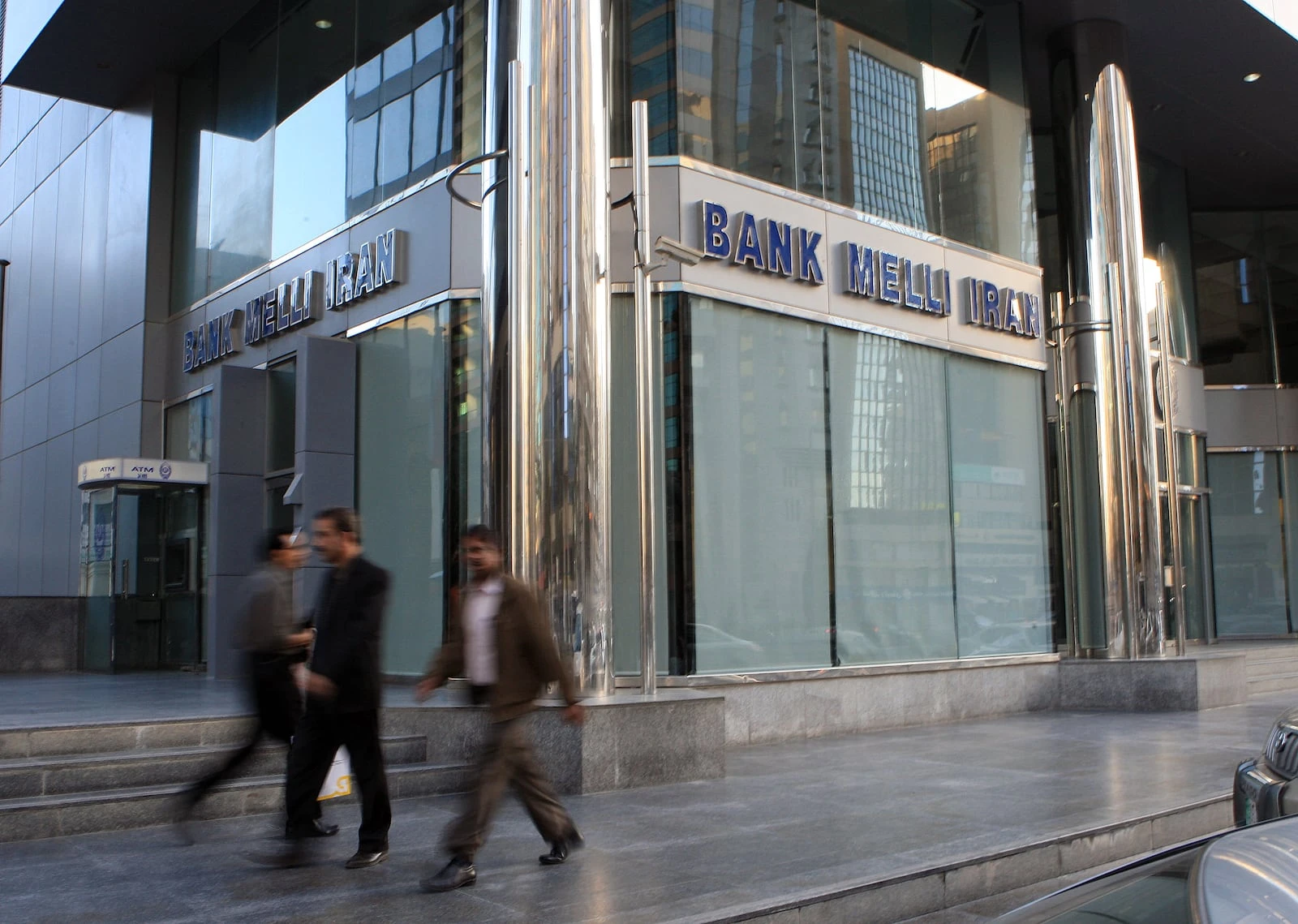
In a decisive move to tighten financial oversight, the UAE Central Bank has issued a sweeping order banning all branches of Bank Melli Iran from conducting any financial transactions with Iran. This directive effectively severs a major financial link, prohibiting the movement of dirhams to or from the Islamic Republic and bringing trade finance and fund transfers to a standstill.
A Total Freeze on Financial Activity
The mandate impacts eight Bank Melli branches currently operating within the UAE, as well as its regional office. By blocking the transfer of dirhams, the Central Bank has essentially shut down the primary channel previously used by Iranian businesses and expatriates for their financial services in Dubai.
The regulatory crackdown is based on several critical failures identified by authorities. The bank was found to be in violation of essential laws and supervisory regulations, specifically regarding:
- Anti-money laundering (AML) protocols
- Counter-terrorism financing (CTF) regulations
- Proliferation-financing rules
This enforcement action was carried out under the authority of Article 168-1-C of the 2025 Central Bank law.
Escalating Tensions and Security Concerns
This banking ban represents a significant escalation in the UAE's stance toward Iran. It follows a broader suspension of all commercial exchange, trade, and financial transactions with the country implemented last month. That decision was triggered by reports of Iranian ballistic missiles being fired toward Emirati waters and targeted attacks on UAE-linked tankers within the Strait of Hormuz.
International pressure has also played a role. The United States has previously imposed sanctions on the director of Bank Melli's Dubai branch as part of its "Economic Outcast" campaign.
Regional Instability and Market Volatility
The banking restrictions come at a time of heightened instability across the Middle East. The regional landscape is currently shaped by several volatile factors:
- Conflict in Yemen: Saudi-backed government forces recently reported repelling Houthi attempts to block the Hejat al-Abd mountain road, a vital supply route between Taiz and Aden.
- Maritime Threats: Houthi forces have seized control of portions of Yemen's Red Sea coast and areas near the Bab al-Mandeb, creating significant complications for oil transit routes.
- Market Declines: Gulf stock markets have faced downward pressure on Thursday, driven by the ongoing instability in the Strait of Hormuz.
Amidst this tension, diplomatic discussions at the United Nations saw U.S. President Donald Trump comment on the "momentum" regarding a potential deal with Iran, while simultaneously discussing the stark possibilities of either a diplomatic settlement or the "annihilation" of the Iranian state.