UAE Central Bank Cuts Off Bank Melli’s Iran Money Pipeline
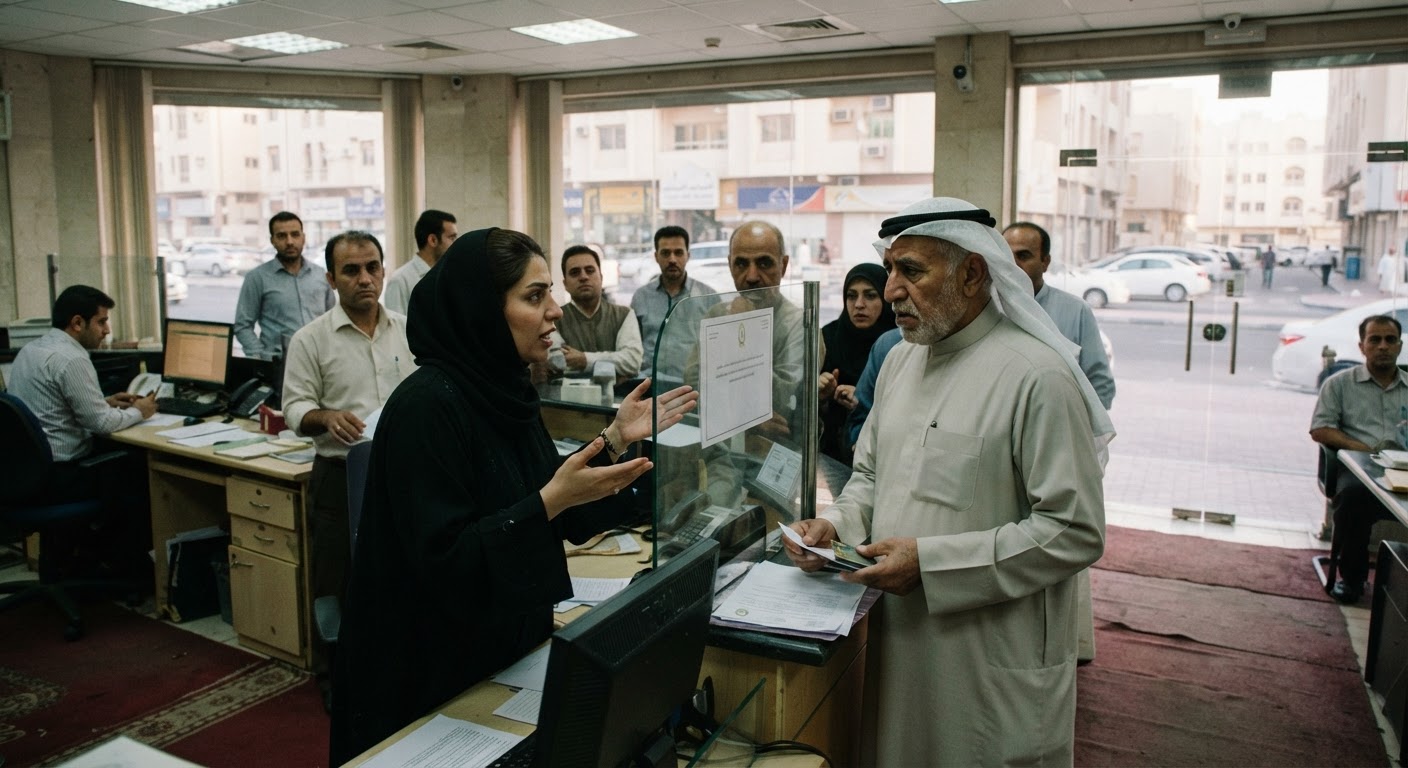
The Central Bank of the UAE has issued a sweeping order prohibiting all branches of Iran’s Bank Melli from conducting any financial transactions involving Iran. The decision, announced on Wednesday, September 23, 2026, effectively severs the lender's ability to facilitate trade finance or move funds across the border.
Regulatory Crackdown and Legal Grounds
The move was formalized under Article 168-1-C of Federal Decree-Law No. 6 of 2025. Authorities moved against the institution following significant failures to adhere to critical financial safety protocols.
The bank was cited for failing to comply with essential regulations regarding anti-money laundering (AML), counter-terrorism financing (CTF), and proliferation financing.
What This Means for Bank Melli Branches
While Bank Melli’s physical presence in the UAE remains intact—with seven branches and a regional office still operating—their functional capacity has been severely crippled. The bank, which has maintained a presence in the UAE since 1969, operates a major hub on Baniyas Street in Deira, Dubai.
Despite the branches remaining open to the public, the order strictly prohibits the processing of:
- Any fund transfers involving United Arab Emirates Dirhams (AED) to Iran
- Any transactions involving Iranian Rials to Iran
A Shift in Regional Financial Policy
This enforcement follows a broader suspension of all commercial and financial exchanges with Iran initiated last month. This policy shift was prompted by heightened regional security concerns, following accusations that Tehran fired missiles toward Emirati waters and targeted UAE-linked tankers.
The crackdown also follows intense international scrutiny. In late August, the U.S. Treasury imposed sanctions on Reza Mohammad Taeedi, the manager of Bank Melli’s Dubai branch. The sanctions were based on allegations that the bank moved billions of dollars through accounts linked to the IRGC Quds Force.
Impact on the Expatriate Community
The sudden termination of this banking pipeline is expected to create significant challenges for the large Iranian expatriate community in Dubai. For years, many residents have relied on the institution for:
- Personal remittances to support families in Iran
- Essential trade-related financial services
As Iranian