Trump's Ultimatum: Peace Deal or Total Destruction? Secret Talks and Rising Tensions Shake the Gulf
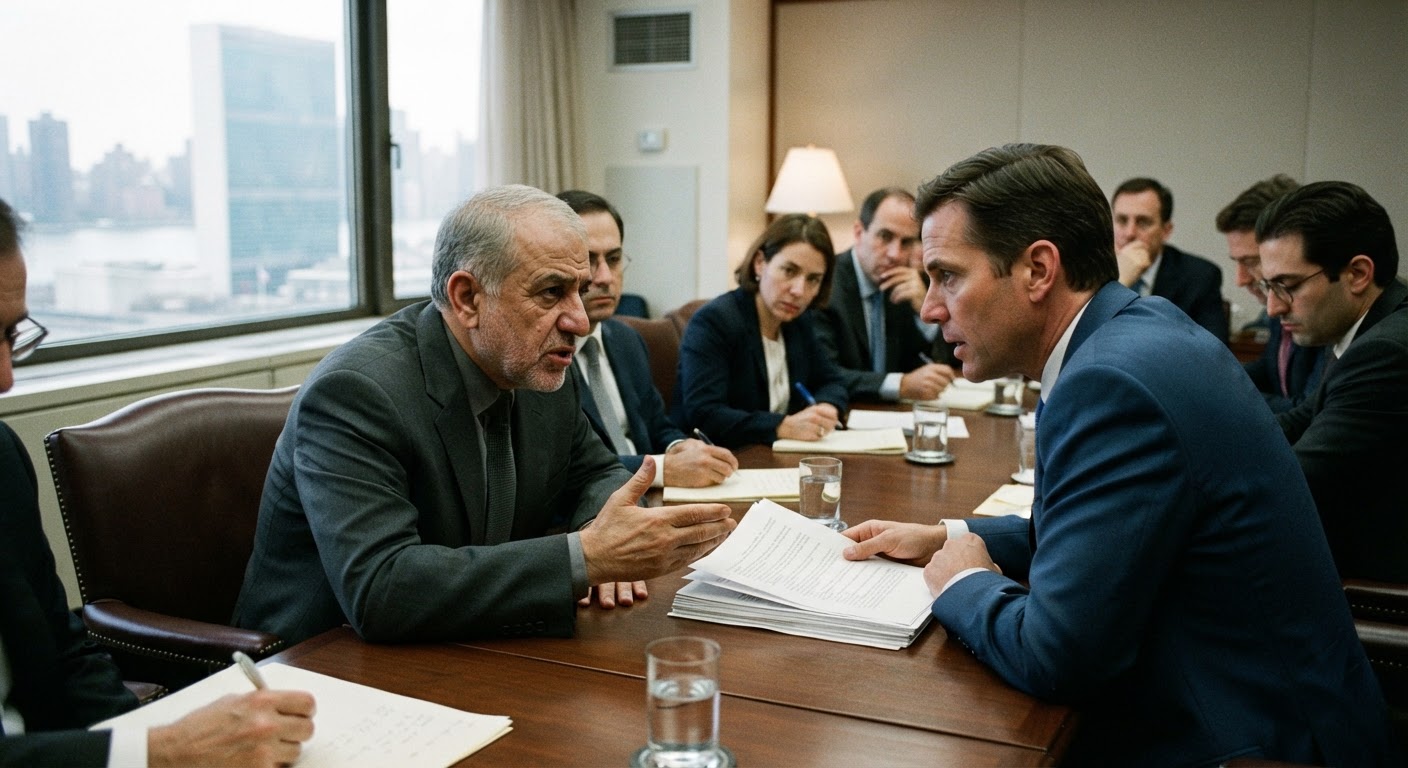
In a high-stakes address to the United Nations, U.S. President Donald Trump has presented Iran with a stark, binary choice that could fundamentally reshape the Middle East. The President issued an ultimatum, suggesting that the Islamic Republic can either embrace a peace deal to become one of the region's most prosperous nations or face total annihilation.
Diplomacy Behind Closed Doors
While the public rhetoric was combative, intense diplomatic maneuvering was occurring simultaneously. Within the same 24-hour window as the UN address, Trump’s envoys, Steve Witkoff and Jared Kushner, engaged in a three-hour secret meeting with Iranian Foreign Minister Abbas Araghchi. Despite the aggressive tone of the presidential speech, Trump characterized these private negotiations as "productive."
This diplomatic dance takes place against the backdrop of a grueling seven-month conflict involving the United States, Israel, and Iran—a struggle that is increasingly impacting the stability of the entire region, including the UAE, Oman, Bahrain, Qatar, Saudi Arabia, and Yemen.
Escalating Warfare and Regional Threats
The security situation is deteriorating rapidly on multiple fronts:
- The Yemen Front: Iranian-backed Houthi forces have reportedly seized islands in the Red Sea.
- Missile Strikes: Houthi missiles were launched toward Riyadh, though Saudi air defenses successfully intercepted the projectiles.
- Maritime Chokeholds: While the East-West pipeline has resumed operations, the Strait of Hormuz remains effectively choked, threatening global energy security.
"The conflict will be prolonged," warned UAE presidential adviser Anwar Gargash, emphasizing that regional stability requires direct Iranian-Arab security dialogues rather than a sole reliance on Washington-Tehran channels.
Impact on Expats and Global Markets
The volatility is not just political; it is deeply economic and personal for the millions of expatriates living in the Gulf. As tensions rise, several nations have already begun canceling flights to Iran. Residents across the region are closely monitoring:
- Fluctuations in fuel prices.
- Rising insurance rates.
- Potential emergency evacuation procedures.
Market instability is also evident in the energy sector, with Brent crude prices remaining highly sensitive to every development in the region.
A Divided Regional Response
While some nations seek engagement, others are drawing firm lines. Crown Prince Sheikh Khaled of Abu Dhabi recently met with Iranian President Pezeshkian during a BRICS summit, signaling a path for dialogue. Meanwhile, Saudi Arabia is currently negotiating a $10 billion energy route fund with the United States. In contrast, Bahrain has maintained a hardline stance, refusing to engage with Iran until full diplomatic relations are restored.
Iran's Defiant Rebuttal
Tehran has not taken the UN address lightly. Iran's armed forces dismissed Trump’s speech as mere "propaganda" and issued their own set of demands. For Iran to consider reopening the Strait of Hormuz, they are demanding that the U.S.:
- Lift the current naval blockade.
- Unfreeze their assets and funds.
- Bring an end to the ongoing war.
As the world watches the UN-level negotiations, the margin for error remains razor-thin, with the future of regional security hanging in the balance.