Trump Rejects Iran's Strait of Hormuz Plan Amid Rising Tensions
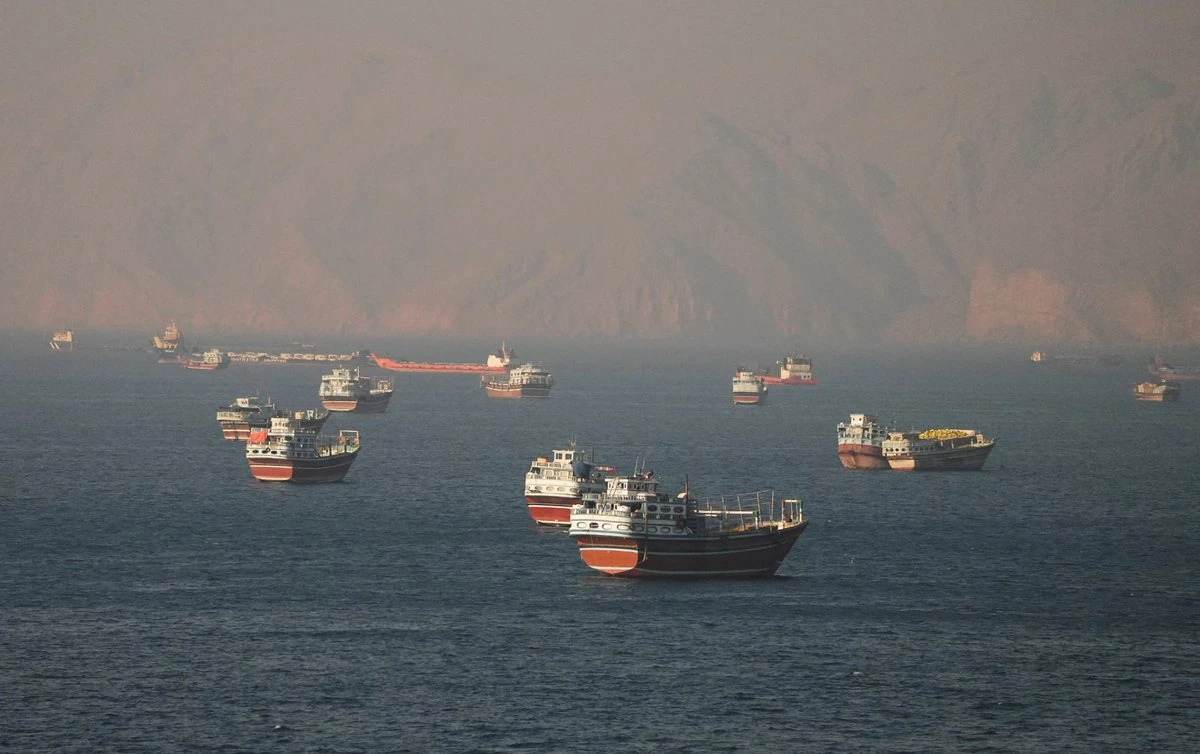
U.S. President Donald Trump has officially dismissed a seven-day proposal from Iran aimed at reopening the Strait of Hormuz and resuming nuclear negotiations. Speaking on Saturday after departing the White House, Trump asserted that the United States maintains "total control" over the vital waterway, while claiming that Iran is currently struggling.
The rejection marks a significant escalation in a conflict that has persisted for seven months, leaving one of the world's most critical oil and gas arteries under the shadow of Iranian influence. The refusal to engage with the proposed timeline signals a hardening of the U.S. stance at a time when regional maritime security is increasingly fragile.
Iranian Skepticism and Diplomatic Friction
Tehran has expressed frustration over the decision. Iranian Foreign Minister Abbas Araghchi stated on Sunday that the nation is awaiting an official response from the United States through mediators, accusing Trump of inconsistent communication regarding the negotiations.
Adding to the tension, Iranian President Masoud Pezeshkian noted during a visit to New York that Tehran no longer places trust in Washington. This lack of confidence stems from two military strikes that occurred during previous rounds of discussions.
The stakes for the Strait of Hormuz are immense:
- It historically handles 20% of global oil.
- It facilitates 25% of seaborne LNG.
- Current shipping traffic has been reduced to a small fraction of its pre-war volume, which typically exceeded 100 vessels daily.
A Dual-Chokepoint Crisis: Escalation in Yemen
As tensions simmer in the Strait of Hormuz, a simultaneous crisis is unfolding in Yemen, creating what experts describe as a dual-chokepoint crisis. Over the last 24 hours, Saudi-backed government forces have launched intensive air and ground operations across Taiz, which reportedly resulted in the deaths of dozens of Houthi fighters.
Houthi forces have strengthened their position by capturing Mocha and several islands near the Bab al-Mandab strait. From these strategic locations, they continue to launch drone and missile attacks targeting southern Saudi cities and Aramco facilities. To combat this, Riyadh’s joint forces commander met with Yemen’s Tareq Saleh on Saturday to coordinate further military responses.
Regional Fallout and Economic Impact
The instability in these vital sea lanes has triggered a wave of diplomatic and economic shifts across the Gulf:
- Saudi Arabia and the GCC: