Trump Rejects Iran's Hormuz Deal as IRGC Claims US Drone Capture
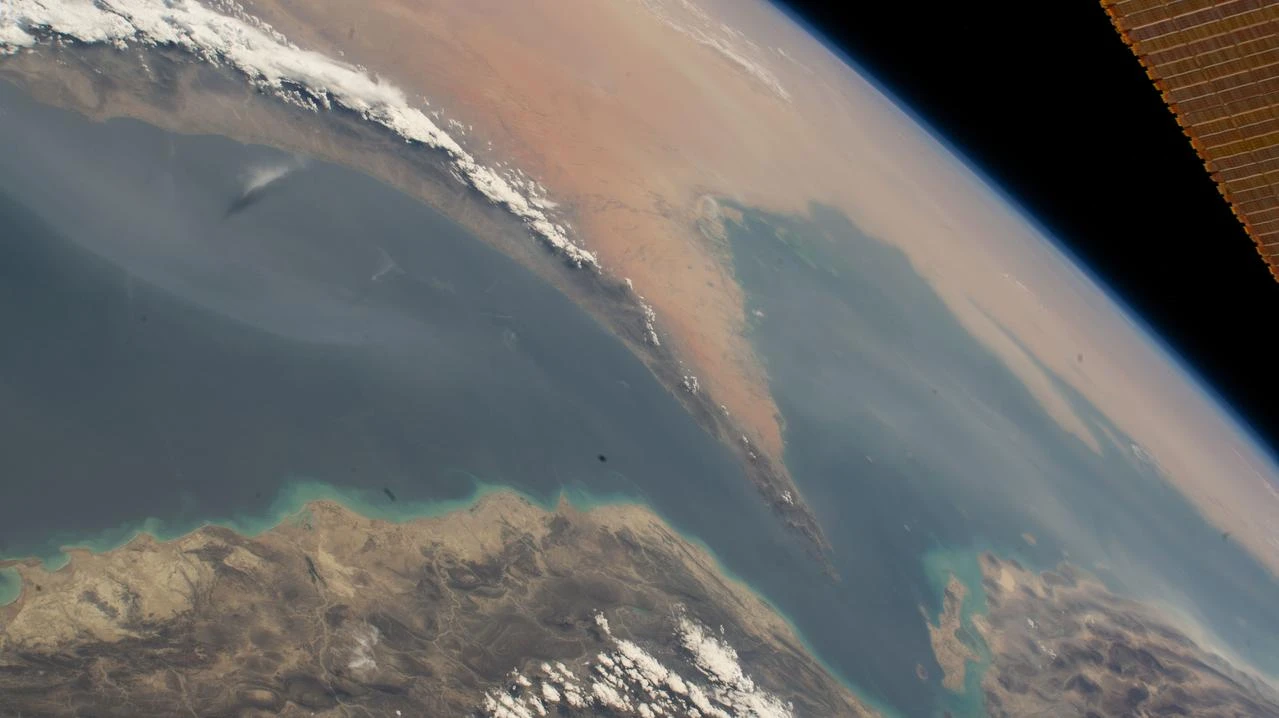
U.S. President Donald Trump has officially turned down a seven-day proposal from Iran aimed at reopening the Strait of Hormuz, labeling the offer "not acceptable" during remarks outside the White House on Saturday.
The Iranian proposal sought a cessation of hostilities and the reopening of the vital waterway after one week, alongside a resumption of nuclear negotiations. However, Tehran made these moves contingent upon several significant concessions from the United States, including the lifting of naval blockades on Iranian ports, the release of frozen assets, and the easing of oil sanctions.
"Overplayed Its Hand"
Addressing the standoff, Trump asserted that the United States maintains "total control" of the strategic waterway. While he suggested that further indirect discussions are expected later this week, he remained firm in his stance, stating that Iran had "overplayed its hand."
Iranian Foreign Minister Abbas Araghchi indicated that Tehran is currently awaiting a "definitive" official response via mediators located in Qatar, Oman, and Pakistan. Araghchi maintained that the strait will not see a full reopening until U.S. conditions align with a memorandum that collapsed in June.
Espionage Allegations and Drone Capture
As diplomatic tensions escalated, the Islamic Revolutionary Guard Corps (IRGC) Navy made a provocative claim, alleging they had captured a second U.S. unmanned underwater vehicle (UUV) within the Strait of Hormuz. The IRGC identified the craft as a Remus 600, also known as a Mk 18 Mod 2 Kingfish, and accused it of conducting espionage operations.
IRGC spokesman Hossein Mohebbi described the seizure as an "intelligence prize." However, U.S. Central Command was quick to dismiss the claim, calling it "clearly desperate" and insisting that the U.S. retains full control of all its operational drone assets. The Pentagon suggested that an older, non-sensitive unit may have been lost several days prior.
Energy Security and Regional Fallout
The ongoing conflict, which has persisted since February 2026, continues to threaten the world’s most critical energy chokepoint. The impact on maritime traffic has been severe:
- Pre-war traffic: Approximately 125 large ships per day.
- Current status: Significantly reduced levels due to the presence of mines, missiles, and dual blockades.
- Recent activity: Reuters reported that additional QatarEnergy-linked LNG vessels have recently been spotted outside the strait.
The instability is reverberating across the Gulf region. Bahrain continues to host the U.S. Fifth Fleet amidst the tension, while Qatar finds itself acting as both a mediator and a potential target. Saudi Arabia remains engaged in conflict with Houthi forces in Yemen, and Oman faces pressure due to its critical coastal territory along the strait.
In the UAE, the government has taken decisive action by suspending trade with Iran and barring Iranian airlines following recent missile incidents. As the standoff continues, international shipping companies face extreme war-risk insurance premiums, navigating a dangerous landscape of authorized Iranian corridors and U.S.-protected lanes.