Trump Issues Iran Ultimatum as Strait of Hormuz Tensions Rise
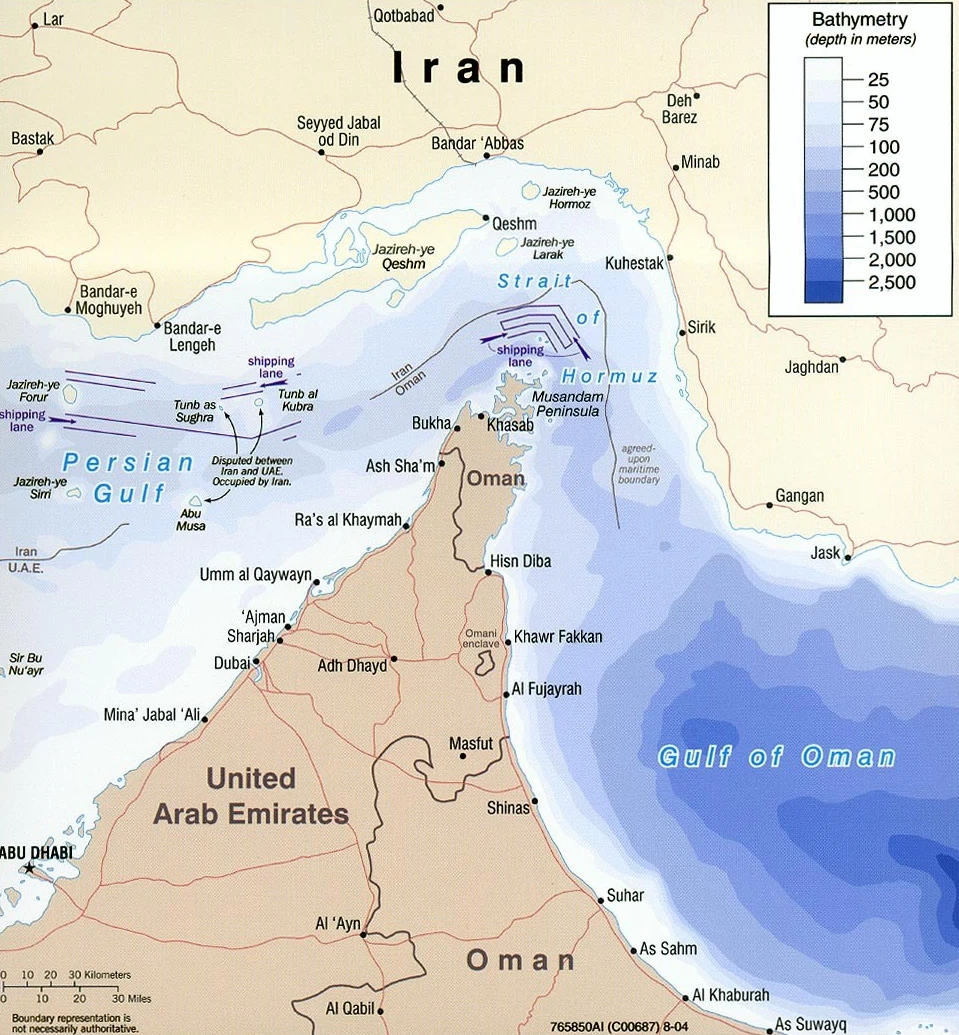
US President Donald Trump has issued a stark ultimatum to Iran, warning that the ongoing seven-month conflict will reach a conclusion "very soon, one way or the other." Speaking from the Oval Office on Wednesday night, the President presented a binary choice for the Iranian leadership: a negotiated settlement or a decisive military strike.
"We blow them up or make a deal," Trump remarked when discussing the potential paths forward. When pressed by reporters regarding the possibility of engaging in negotiations with Tehran, he added, "Maybe you blow them up."
A Seven-Day Window for Diplomacy
The escalation follows a formal U.S. response to an Iranian proposal aimed at reopening the critical Strait of Hormuz. On Thursday, 1 October 2026, Tehran confirmed it had received the U.S. position regarding its offer to pause hostilities and reopen the waterway within a seven-day period.
The Iranian proposal included several high-stakes demands for the United States, including:
- The lifting of the current U.S. naval blockade.
- The release of approximately $12 billion in frozen Iranian assets.
- An easing of existing sanctions on Iranian oil exports.
While Iranian President Masoud Pezeshkian has emphasized his administration's commitment to securing an agreement, the United States has publicly rejected the outline of the proposal.
Rising Fuel Prices and Maritime Threats
The geopolitical instability is having an immediate impact on global shipping and local economies. The UK Maritime Trade Operations reported that unknown projectiles struck four separate tankers in the Strait of Hormuz between 29 and 30 September. This volatility has caused oil transit through the strait to plummet to roughly 13.1 million barrels per day, down from a baseline of 17.1 million.
In the UAE, the disruption in oil supplies has led to a surge in fuel costs for October. Current prices are as follows:
- Super 98: Dh4.40 per litre
- Special 95: Dh4.28 per litre
- E-Plus 91: Dh4.21 per litre
- Diesel: Dh4.80 per litre
Amidst these tensions, U.S. Defence Secretary Pete Hegseth claimed that American forces have already significantly degraded Iran's military and nuclear capabilities, though the Islamic Revolutionary Guard Corps has vehemently rejected these assertions.
Aviation Disruptions and Mid-Air Security Incident
The regional crisis has also paralyzed much of the aviation sector. The UAE’s General Civil Aviation Authority (GCAA) suspended all Iranian-carrier flights on 24 September. Major international carriers have also pulled back; Cathay Pacific has cancelled services to Dubai and Riyadh through 31 January 2027, while Air France has extended its suspension of Dubai services until 24 October.
A harrowing security incident further highlighted the regional volatility. On 30 September, a flydubai flight (FZ1073), a Boeing 737 MAX 8 traveling from Dubai to Tel Aviv, was involved in a violent mid-air confrontation. Israeli Prime Minister Benjamin Netanyahu reported that an Omani co-pilot stabbed the Indian captain, Smit Machchhar, during the flight.
The aircraft, broadcasting emergency codes 7700 and 7500, was forced to divert to Tabuk, Saudi Arabia, after passengers and crew managed to overpower the attacker. Both pilots were hospitalised following the incident, prompting flydubai to suspend all services to Israel indefinitely.
Shifting Regional Alliances
As the U.S.-led coalition concludes its mission in Iraq, the regional security landscape continues to shift. Iraqi Prime Minister Ali Al Zaidi has set a deadline of 30 June 2027 for all non-state armed factions to surrender their weapons.
Furthermore, following Houthi attacks on Saudi targets in Riyadh and Yanbu, there has been a marked increase in security coordination between the UAE, Saudi Arabia, Turkey, and Pakistan to stabilize the region.