The Retirement Trap: Decades of Gulf Labor Leave Indian Expats Financially Vulnerable
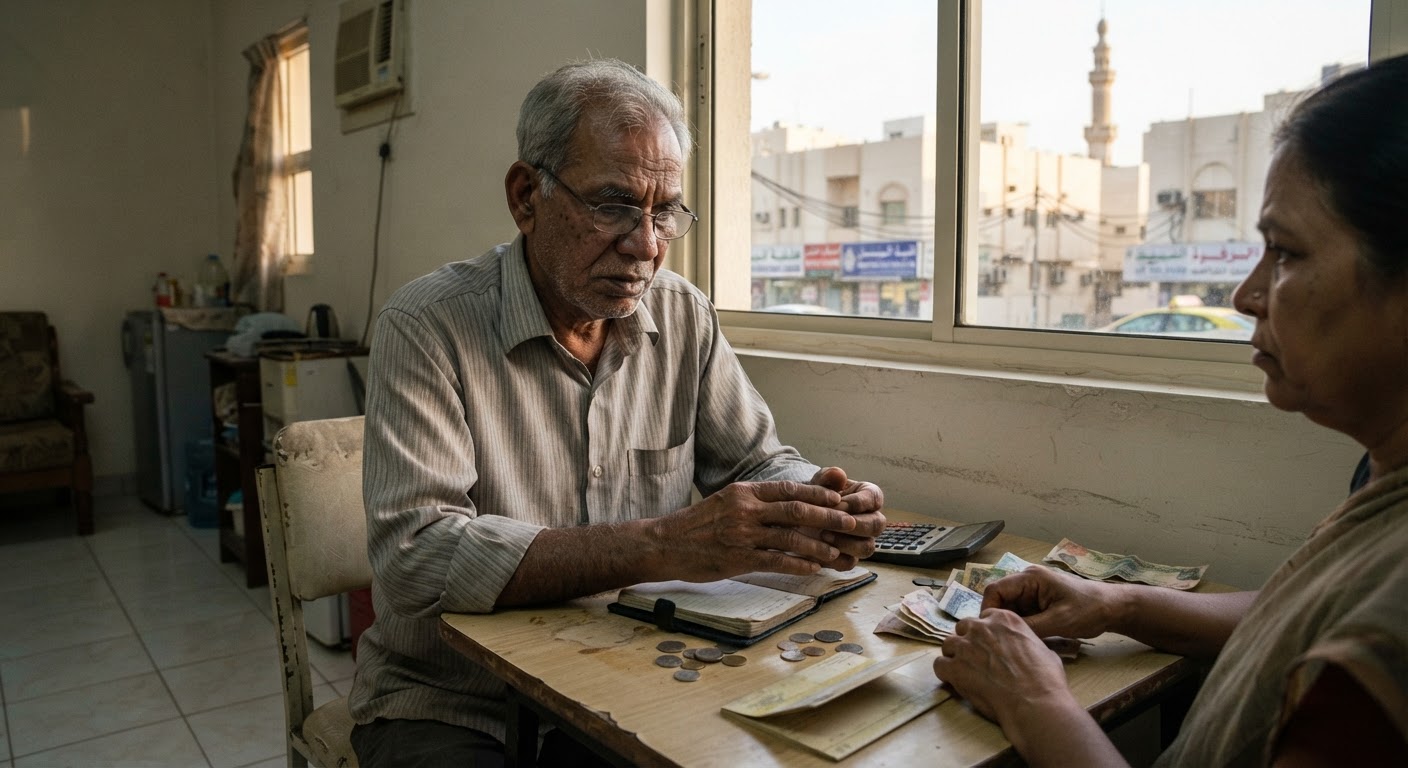
For millions of Indian expatriates who spent their prime years building the infrastructure of the Gulf, the sunset years are arriving with a chilling sense of uncertainty. A recent study by the International Labour Organization (ILO) has sounded the alarm on a growing crisis: first-generation migrants, many of whom arrived during the oil booms of the 1970s and 1980s, are facing severe financial instability as they reach retirement age.
A Systemic Lack of Safety Nets
Despite decades of contribution to the economies of countries like the UAE, Saudi Arabia, and Qatar, these workers are finding themselves without the essential pillars of old-age security. The ILO report highlights several critical vulnerabilities that threaten to leave an entire generation in poverty:
- Absence of Pension Coverage: Most workers lack access to structured retirement funds, such as the Employees' Provident Fund.
- Insufficient End-of-Service Benefits: While many receive a lump sum upon leaving their jobs, these payments are often inadequate to sustain long-term living expenses.
- Escalating Living Costs: Rising medical expenses and insecure housing are placing immense pressure on the aging population.
The Demographic Reality in the GCC
The scale of the aging non-national population is becoming increasingly visible across the region. In Kuwait, non-nationals make up more than one-third of the elderly demographic. In Qatar, the situation is even more pronounced, with foreigners accounting for nearly half of all residents aged 75 and older.
In the UAE, the economic necessity is driving many Indian nationals to continue working well beyond traditional retirement ages just to cover their basic daily needs.
The struggle is often illustrated by the razor-thin margins of low-wage workers. A viral video recently shared by Kolkata-based chef Rahul Bala in Dubai highlighted this economic pressure, noting that high costs of living can leave a worker with only 1,500 dirhams in savings from a 2,500 dirham salary.
Economic Ripple Effects in India
The crisis extends far beyond the borders of the Gulf. Because Indian states such as Kerala, Uttar Pradesh, Bihar, and Telangana rely heavily on remittances sent from the Middle East, the financial instability of returning retirees poses a significant risk to these regional economies. A lack of savings among the diaspora could destabilize the financial lifelines these states depend on.
The Path Forward: ILO Recommendations
To mitigate this looming socio-economic challenge, the ILO has proposed several strategic shifts for both the GCC nations and the Indian government:
- For GCC Countries: Implement formal pension schemes, provide accessible and affordable elder care, and introduce flexible visa options specifically designed for retirees.
- For the Indian Government: Improve the tracking and monitoring of the diaspora, negotiate robust social security agreements with host nations, and prepare for the potential logistical and economic impact of large-scale return migration.