Tankers Struck in Strait of Hormuz as Iran Warns of Radical New War Strategy
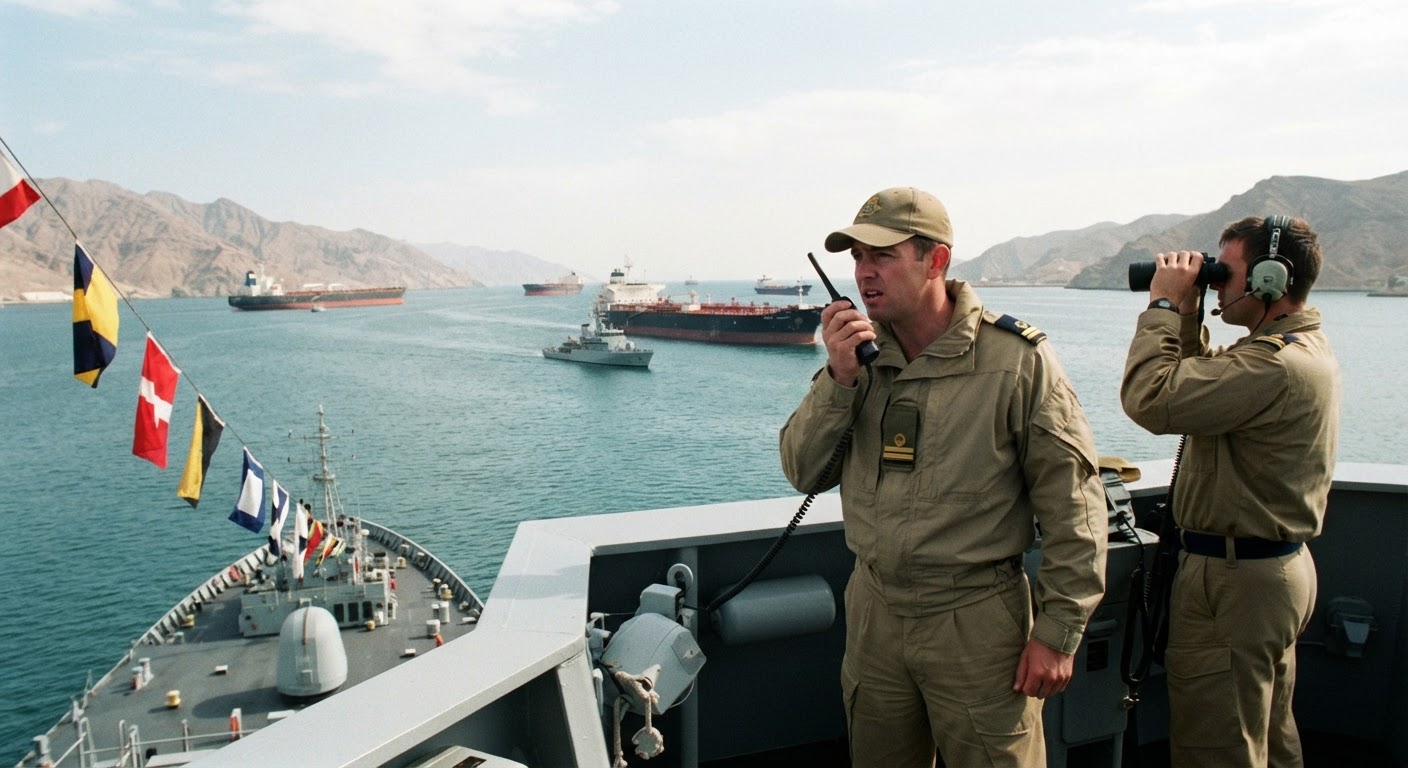
The maritime security situation in the Strait of Hormuz has reached a fever pitch following a series of projectile strikes on commercial vessels, prompting Iran to issue a chilling warning regarding its future military capabilities and combat zones.
Chaos at Sea: Tankers Targeted
On Monday, September 21, 2026, the United Kingdom Maritime Trade Operations (UKMTO) confirmed that the LR Stephanie, a crude tanker registered in the Isle of Man, was hit by an unknown projectile while transiting the Strait of Hormuz. While the vessel managed to remain operational and continue its journey into the Gulf, the strike resulted in minor injuries to two crew members.
The instability did not end there. Shortly after, an LPG tanker exiting the strait was struck by debris from unidentified projectiles. Fortunately, no oil spills were reported, and the crew remained unharmed.
This marks the fourth tanker-related incident since September 17, contributing to a massive slump in regional shipping activity:
- Pre-conflict levels: Approximately 125 large commercial vessels daily.
- Previous week: 37 ship movements over the weekend.
- Current weekend: Only 17 ship movements recorded.
Iran’s "New Geography" of War
As the maritime threats escalate, Iran’s Revolutionary Guards (IRGC) have signaled a shift in their military doctrine. Spokesman Hossein Mohebbi warned that any further aggression from the United States would force Iran to change both the geography and the weaponry used in conflict.
According to Mohebbi, Iran is prepared to deploy advanced weapons with enhanced capabilities, suggesting that the next set of targets will look vastly different from those seen in previous engagements. This sentiment was echoed by Iranian army commander Amir Hatami, who stated that forces remain on high alert to ensure continued defeats for the United States, Israel, and their allies.
Expanding the Conflict: The Houthi Connection
The threat is not limited to the Strait. An update from the Institute for the Study of War on September 21 indicates that the IRGC is