Strait of Hormuz Under Fire: IRGC Vows to Expand War After Tanker Attacks
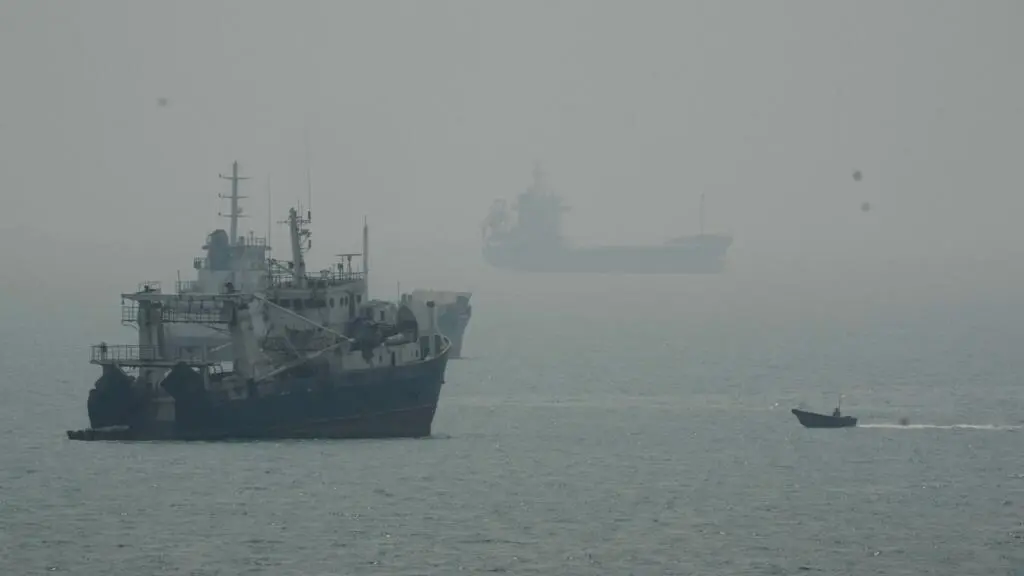
The maritime security of the Strait of Hormuz was severely tested on Monday, September 21, 2026, as two commercial tankers were struck in separate incidents. These attacks have triggered immediate threats from Iran, suggesting a potential shift in the scale and reach of the ongoing regional conflict.
According to reports from the UK Maritime Trade Operations, the first incident involved an inbound vessel that was hit by an unidentified projectile. While the strike resulted in minor injuries to two crew members, the ship remained operational. Shortly after, a second vessel—an LPG tanker departing the strait—was struck by debris from unknown projectiles. Fortunately, this second attack caused no fatalities and resulted in no oil spills.
IRGC Warns of "Altered War Geography"
In the wake of the attacks, the Islamic Revolutionary Guard Corps (IRGC) has signaled a readiness for escalation. IRGC spokesman Hossein Mohebbi issued a warning via Al-Alam, indicating that Iran is prepared for a sustained conflict.
Mohebbi stated that if the United States continues its current course of aggression, Iran will "alter the geography of the war" and deploy weaponry that has not been utilized in previous engagements. He further warned that future military targets would differ from those previously struck.
Maritime Traffic in Sharp Decline
The attacks occur against a backdrop of dwindling commercial activity in one of the world's most critical waterways. The volume of commodity vessels transiting the strait has seen a massive reduction since the onset of hostilities in late February:
- Pre-conflict levels: Approximately 125 vessels per day.
- Previous week: 37 vessels.
- Most recent weekend: Only 17 vessels.
Diplomatic Tensions and Economic Sanctions
While the security situation remains volatile, diplomatic channels are still being utilized. Qatari mediators are currently facilitating various proposals between Washington and Tehran. This comes as Iranian President Masoud Pezeshkian and Foreign Minister Abbas Araghchi prepare to travel to New York for the UN General Assembly. Although President Trump has indicated an openness to meeting with Pezeshkian, he maintains a highly confrontational stance toward the Iranian leadership.
Adding to the economic pressure, US Treasury Secretary Scott Bessent has announced that new sanctions targeting Iranian airports and fuel suppliers for their airlines will go into effect on September 23.