UAE VP Sheikh Mansour Holds High-Level Talks in Riyadh
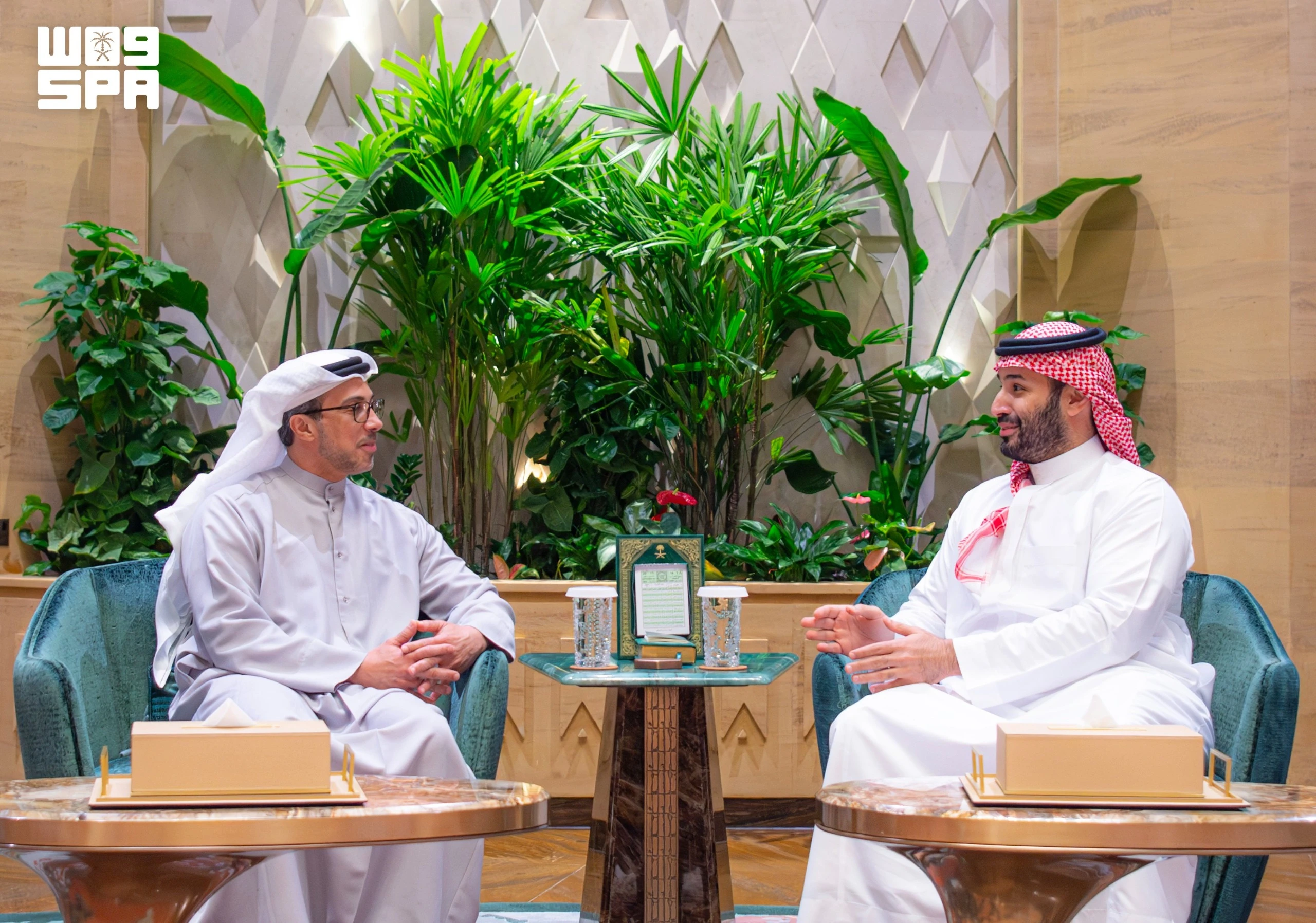
In a significant move signaling a major political reset, UAE Vice President Sheikh Mansour bin Zayed Al Nahyan arrived in Riyadh on Tuesday, September 29, 2026. This high-level mission marks the first major Emirati diplomatic visit to Saudi Arabia since the two nations experienced a public divergence over the situation in Yemen last year.
Strengthening Fraternal Relations
During his stay, Sheikh Mansour held discussions with Saudi Crown Prince Mohammed bin Salman and Defence Minister Prince Khalid bin Salman. Official sources have characterized the engagement as a "fraternal visit" aimed at reviewing "brotherly relations" and addressing critical regional developments.
In a separate session, Sheikh Mansour met with Prince Khalid bin Salman to coordinate on shared interests. Both parties exchanged formal greetings on behalf of President Sheikh Mohamed bin Zayed and the court of King Salman, emphasizing the intent to stabilize diplomatic ties.
Heightened Regional Security Threats
The diplomatic outreach occurs as Saudi Arabia grapples with an increasingly volatile security landscape. The Kingdom has been facing persistent missile and drone attacks from Houthi forces, which have targeted several key areas, including:
- Major cities and urban regions
- Critical airport infrastructure
- Vital oil and energy facilities
- The capital region
These attacks have intensified following the Iran-aligned group's seizure of Yemen's Red Sea coast and its strategic proximity to the Bab al-Mandab Strait. While Saudi air defenses have been actively intercepting incoming threats, the attacks have led to intermittent closures of airports in the southern parts of the country.
Strategic Shifts in Energy Logistics
As maritime security remains a primary concern, there has been a strategic shift in energy transport. The East-West pipeline and Yanbu loading facilities have recently been restored as essential alternatives to the Strait of Hormuz, helping to mitigate the risk of supply disruptions.
Navigating the Middle East Crisis
This diplomatic reset between the UAE and Saudi Arabia takes place amidst a broader, seven-month-long conflict involving the US, Israel, and Iran, which continues to impact the stability of the entire Gulf region.
Amidst these tensions, Qatar is currently serving as a mediator between Washington and Tehran. Key developments in the mediation process include:
- A proposed seven-day "trust-building" initiative to reopen the Strait of Hormuz.
- Iranian Foreign Minister Abbas Araghchi receiving American feedback via Qatari mediators in Doha.
- The scheduled presentation of these proposals to authorities in Tehran.
As the political landscape shifts, observers are closely monitoring for signs of improved air defense coordination, enhanced shipping security in the Red Sea, and the development of a unified policy to protect GCC nations, including Bahrain and Kuwait, from regional instability.