Second Indian Expat Dies After Riyadh Airport Missile Attack
Shaik Sayeed has died following the Houthi missile strike in Riyadh, bringing the total Indian death toll in the regional conflict to 24.
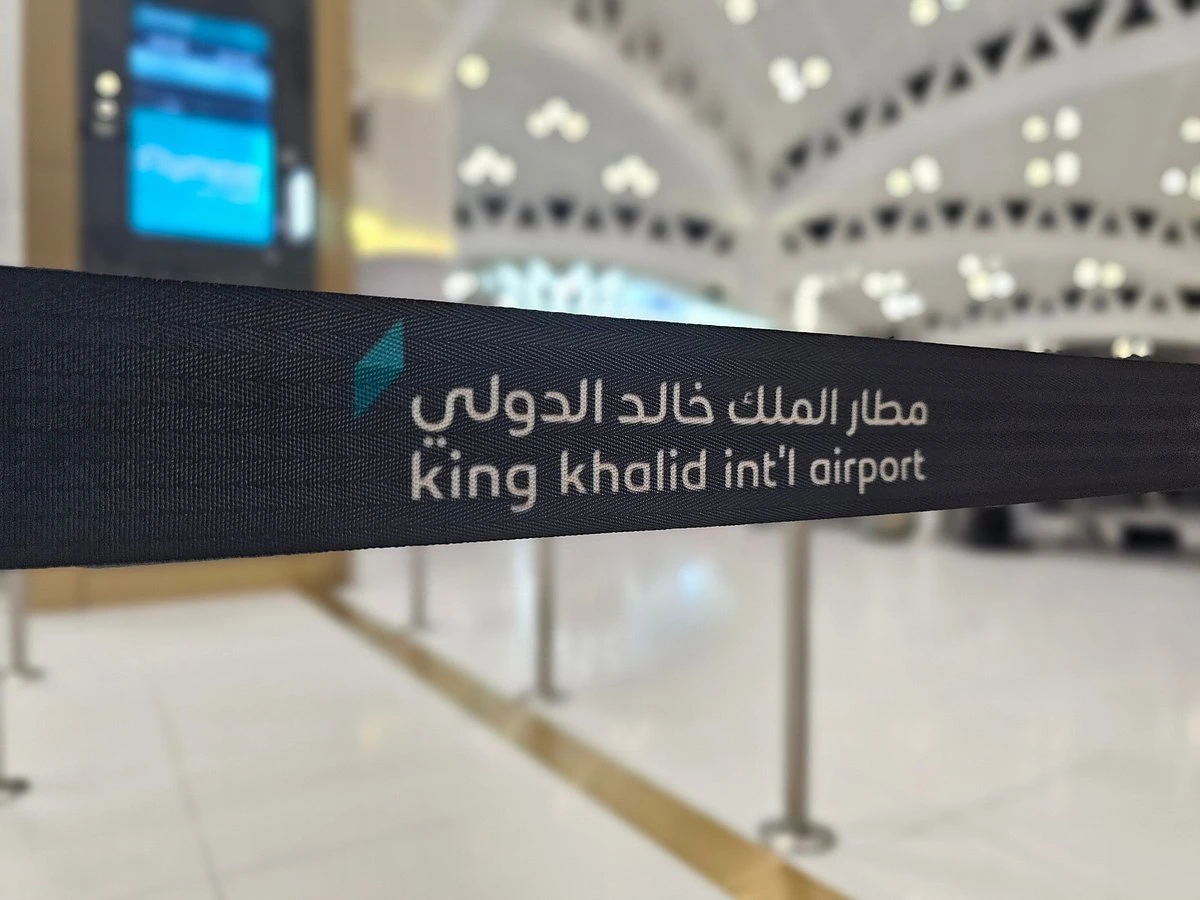
The death toll of Indian nationals killed in the ongoing West Asia conflict has risen to 24 following the passing of Shaik Sayeed, a 36-year-old expatriate. Sayeed succumbed to injuries sustained during the Houthi missile strike on King Khalid International Airport in Riyadh on October 10.
A resident of the Kamareddy district in Telangana, Sayeed had been a familiar face at the airport, having worked at a Starbucks outlet within the terminal for nearly 12 years. He passed away between November 3 and November 4 while receiving intensive care at the King Fahd Armed Forces Hospital, after a grueling three-week battle for his life.
A Tragic Loss for the Indian Community
The Indian Embassy in Riyadh confirmed the news on November 4, stating that officials are actively supporting his family. Indian Ambassador to Saudi Arabia, Shri Vipul, noted that Sayeed fought bravely against his injuries before passing away. Due to ongoing logistical challenges, reports suggest that Sayeed may be buried in Riyadh rather than being repatriated to India.
Sayeed is the second Indian national to die as a direct result of the October 10 assault. The first victim was 46-year-old Mohammed Yousuf Ali, an IT professional from Hyderabad who was in the Kingdom for Umrah when the strike occurred. The attack, attributed to the Iran-backed Houthi movement in Yemen, resulted in approximately 12 to 13 deaths and left over 300 people injured, including several Indian citizens.
Escalating Regional Instability
This wave of violence against civilian infrastructure in Saudi Arabia is part of a broader pattern of instability that emerged following US and Israeli strikes on Iran in late February. The volatility has claimed lives across various sectors:
- October 21 Strike: An attack on King Fahd International Airport in Dammam resulted in another Indian fatality.
- Maritime Incident: On November 2, Indian seafarer Gandhar Nahim Ajij was killed when an unidentified aerial object struck the MSV Al Jusufi near Limah, Oman. The vessel was transporting a cargo of dates from the UAE's Hamriyah Port to Porbandar.
Of the 24 Indians confirmed dead in the conflict since February, 15 were seafarers. While 13 crew members from the MSV Al Jusufi were successfully rescued by the Omani Coast Guard, Ajij, a resident of Gujarat, did not survive the strike.
Diplomatic Response and Diaspora Safety
The Ministry of External Affairs and India's Union Shipping Minister have both condemned these recent attacks. Amidst the rising tensions, the Indian government is closely monitoring the safety of the massive diaspora living in the region.
According to spokesperson Randhir Jaiswal, over 300,000 Indians have returned from the region since the height of the tensions in late February. Despite the risks, diplomatic missions remain in constant contact with the approximately 10 million Indian nationals residing across the GCC countries to ensure their security and well-being.