Saudi Eases Visa Rules for GCC Residents as Aramco Profits Surge
Saudi Arabia opens visit visas to all GCC residents regardless of profession as Aramco reports a massive 34.5% surge in quarterly profits.
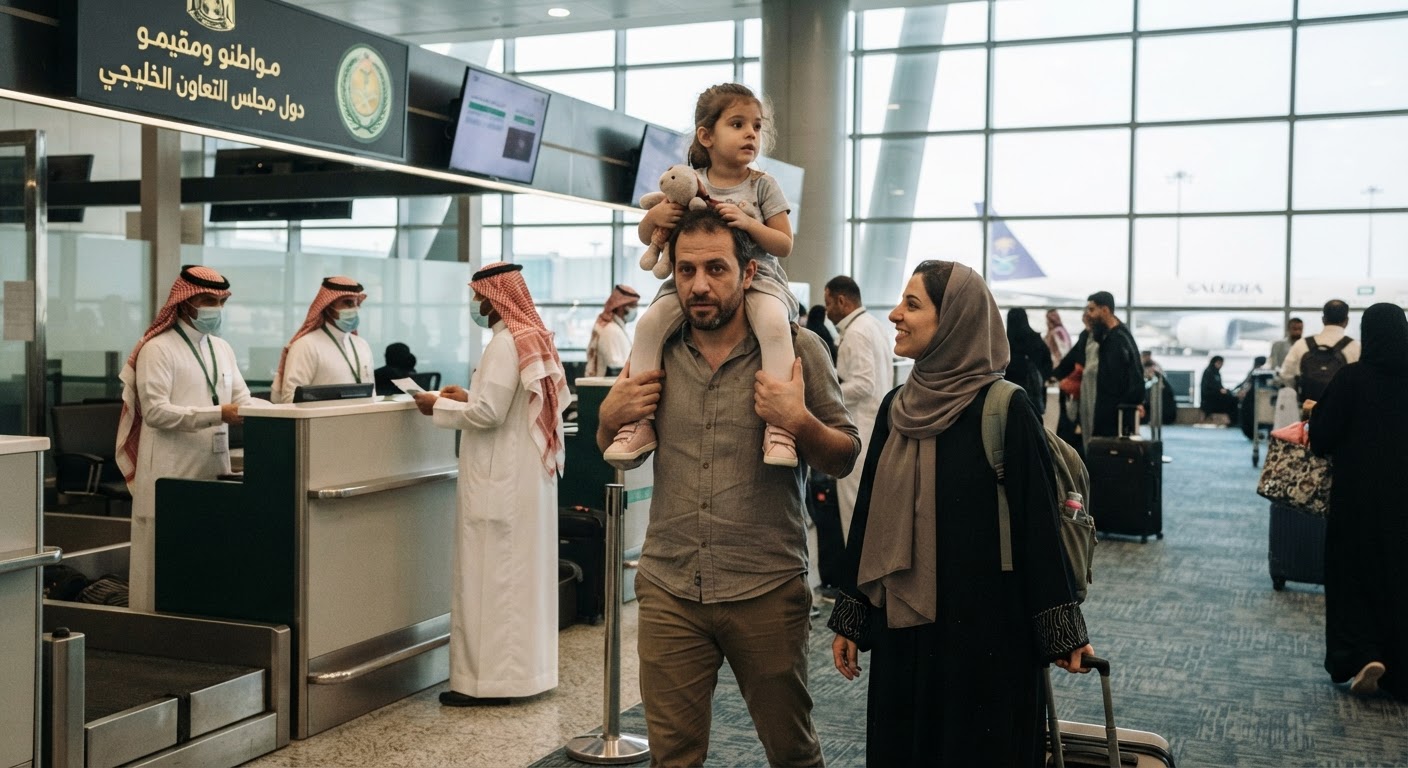
Saudi Arabia is rolling out significant changes that promise to boost regional travel and showcase economic resilience. In a dual boost for the Kingdom, the Saudi Tourism Authority has announced a major relaxation in Saudi visa rules for GCC residents, while energy titan Saudi Aramco has reported a massive jump in quarterly profits.
New Visa Access for All GCC Residents
In a move set to transform regional tourism, the Saudi Tourism Authority announced on November 3 that visit visas will now be available to all GCC residents. Crucially, this new policy removes previous restrictions based on profession, meaning residents can apply regardless of their job title.
This decision is expected to have several key impacts:
- Tourism Growth: Increased ease of travel is anticipated to drive a surge in visitors across the Kingdom.
- Job Creation: The expected uptick in tourism is likely to create new employment opportunities, particularly within the hospitality and service sectors.
- Regional Connectivity: The policy strengthens the ties between Saudi Arabia and its neighboring GCC states.
Aramco Reports Massive 34.5% Profit Surge
While travel becomes easier, the Kingdom's economic backbone remains stronger than ever. Saudi Aramco has reported a 34.5% increase in net profit for the third quarter. This financial windfall comes despite recent security challenges and attacks targeting the company.
The surge in profitability was attributed to:
- Increased overall revenue.
- The successful exit from a strategic joint venture.
Economic Resilience and Vision 2030
Analysts suggest that these economic indicators provide a vital buffer for the regional economy. As part of the broader Vision 2030 initiative, Saudi Arabia is aggressively diversifying its economy to reduce reliance on oil, and these results signal progress in that direction.
For expatriates living in the Gulf, the combination of easier travel access and a robust energy sector suggests a stable environment for infrastructure spending and long-term employment opportunities.
While the long-term sustainability of these profit levels amidst regional tensions remains a point of observation, the current signals are helping to stabilize confidence among the expat community in the Middle East.