Saudi and UAE Leaders Meet in Riyadh Over Security Threats
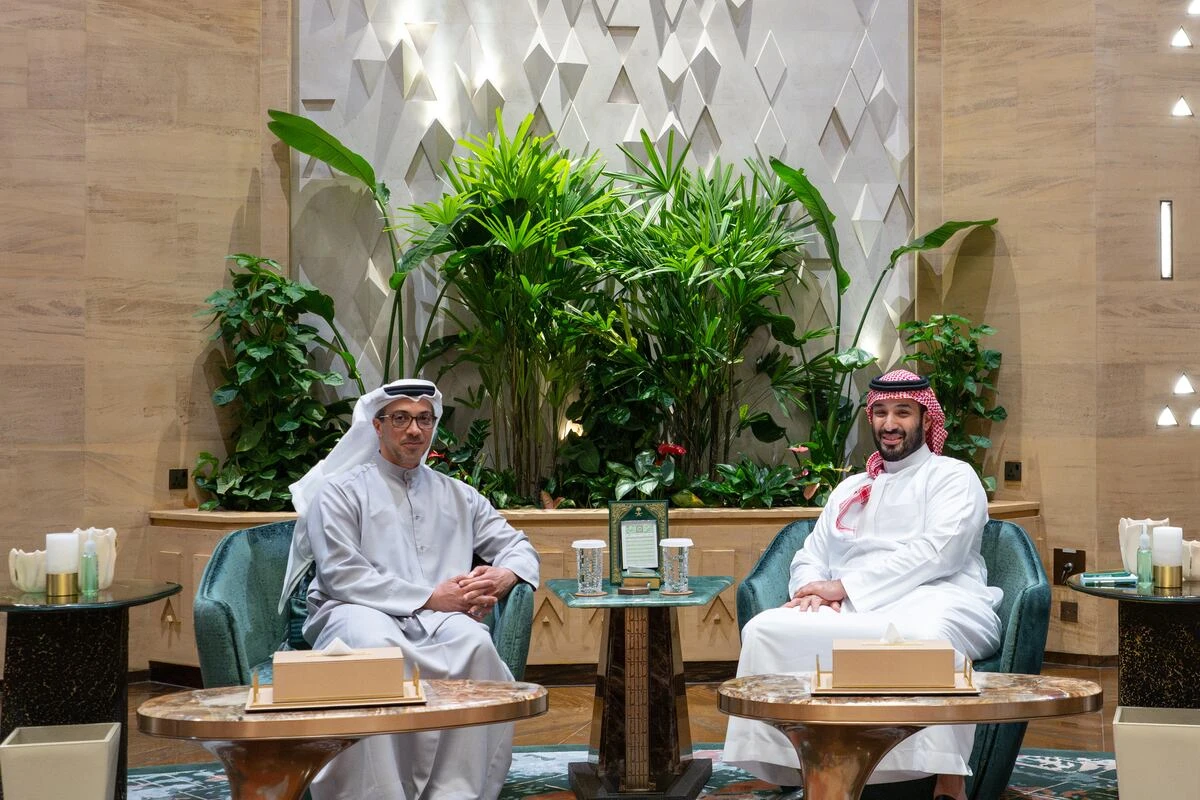
In a significant move to address growing instability, a Saudi UAE security meeting took place in Riyadh on Tuesday, bringing together top leadership from both nations to discuss urgent regional developments.
Saudi Crown Prince Mohammed bin Salman (MBS) hosted UAE Vice President Sheikh Mansour bin Zayed Al Nahyan for high-level talks. The meeting, which also included Saudi Defence Minister Prince Khalid bin Salman, marks a pivotal moment in bilateral relations, serving as the first major face-to-face discussion between the two countries following a diplomatic rift concerning the conflict in Yemen last year.
Tackling Houthi and Iranian Pressures
While official statements highlighted "brotherly relations," the core of the discussions centered on the intensifying military challenges facing the Gulf. The leaders addressed several critical security flashpoints:
- Houthi Advances: The strategic challenges posed by Houthi forces moving along Yemen’s Red Sea coast.
- Maritime Chokepoints: Growing threats to the Bab al-Mandab strait and the impact of Iranian pressure on the Strait of Hormuz.
- Regional Disruption: The use of drones and missiles in ongoing conflicts that threaten local infrastructure and global oil markets.
A Recalibration of Security Ties
Sheikh Mansour, who delivered greetings from UAE President Sheikh Mohamed bin Zayed, was accompanied by a specialized delegation. This group included officials from national security, emergency management, and defence-enablement sectors, all tasked with evaluating the current security landscape.
Although the meeting did not result in the announcement of a formal joint military coalition or a specific ceasefire, it signifies a major recalibration of security ties between the two most prominent military powers in the Gulf region.
Broader Regional Context
The talks occur at a time of heightened tension across the GCC, including Bahrain, Qatar, Kuwait, and Oman. As regional security concerns continue to fluctuate, diplomatic efforts are also being pursued through other channels, such as Qatar's ongoing mediation between Washington and Tehran. This high-level meeting in Riyadh underscores the urgent need for coordinated responses to the threats currently impacting the stability of the Middle East.