Saudi, Turkish, and Pakistani Leaders Meet in Tehran to Curb War
High-level talks in Tehran aim to de-escalate regional conflict as Saudi, Turkish, and Pakistani officials meet Iranian leadership.
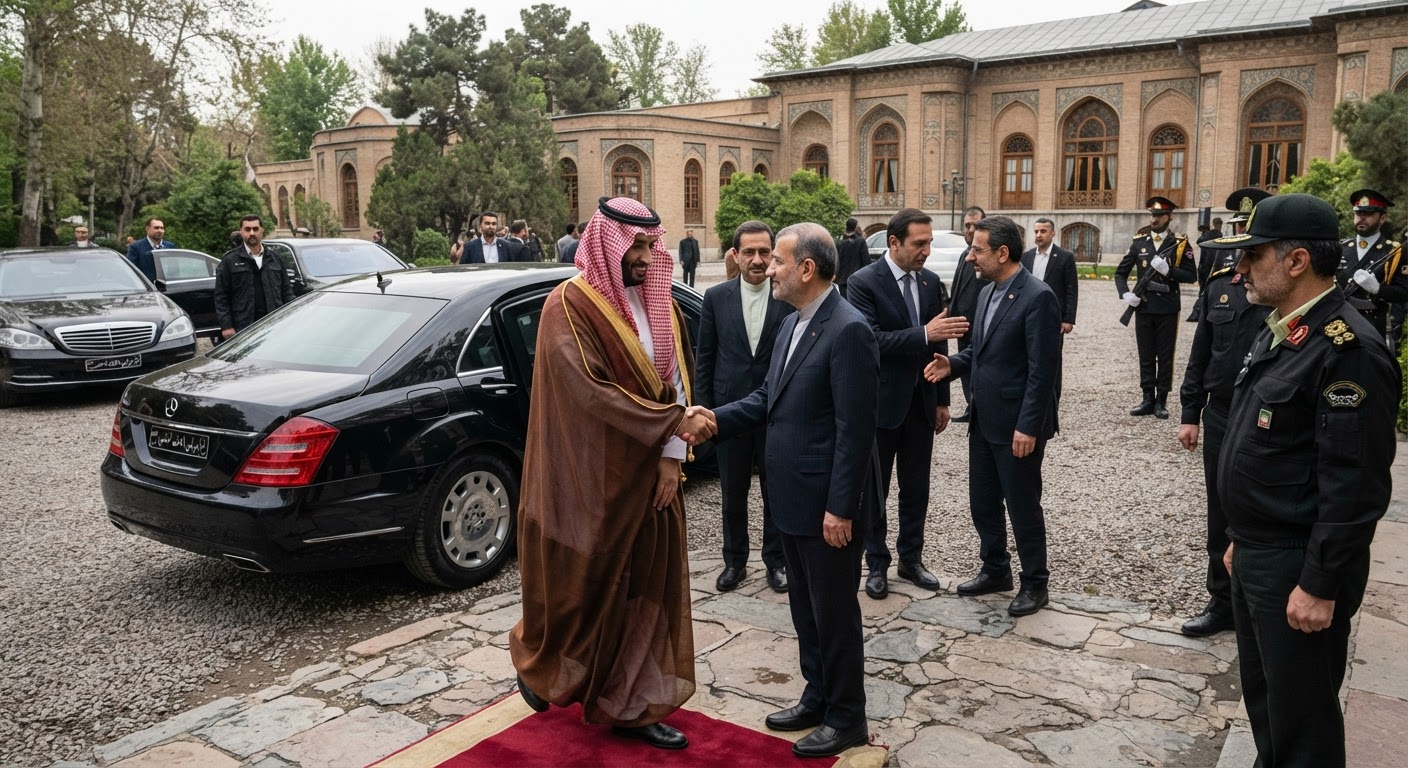
In a major diplomatic push to prevent further escalation of regional hostilities, senior officials from Saudi Arabia, Turkey, and Pakistan convened in Tehran on October 26, 2026. The high-level delegation met with Iranian President Masoud Pezeshkian and other members of the Iranian leadership to discuss de-escalating the ongoing conflict.
A High-Stakes Diplomatic Gathering
This meeting represents the first significant high-level diplomatic contact between these nations since the conflict involving the United States, Israel, and Iran intensified. The delegation included several key figures responsible for regional security:
- Prince Khalid bin Salman, Saudi Arabia's Defence Minister
- Ibrahim Kalin, Turkish intelligence chief
- Field Marshal Asim Munir, Pakistani army chief
The discussions took place against a backdrop of heightened tensions, including Houthi-led attacks within Saudi Arabia and Yemen, which have added layers of complexity to the regional security landscape.
Parallel Mediation Efforts in Moscow
The Tehran summit is part of a broader wave of regional mediation. During the same period, the Emir of Qatar held a meeting with the Iranian President in Moscow. According to a spokesperson for the Qatari Ministry of Foreign Affairs, Qatar used the opportunity to urge Iran to demonstrate good faith regarding the Strait of Hormuz and to cease regional threats.
Market Reactions and Ongoing Security Risks
While the diplomatic signals provided temporary relief to global markets and boosted market sentiment, the region remains under significant pressure. Eight months of continuous conflict continue to impact stability and the global economy:
- Energy Markets: Brent crude oil prices are currently trading at approximately $114 per barrel as volatility persists.
- Houthi Attacks: Missile and drone attacks targeting Saudi Arabia remain a constant threat, necessitating ongoing interceptions.
- Logistics and Travel: Hostilities have led to continued flight disruptions and pose a direct threat to shipping operations in the Strait of Hormuz.
Experts note that while these high-level meetings suggest a willingness to engage in dialogue, long-term stability remains contingent on tangible actions from Iran and the strategic decisions made by the United States and Israel. For the vast expatriate populations in the region, the safety of shipping lanes and the trajectory of Houthi operations remain critical concerns.