Saudi-Led Coalition Launches Massive 'Fajr Al-Yemen' Operation
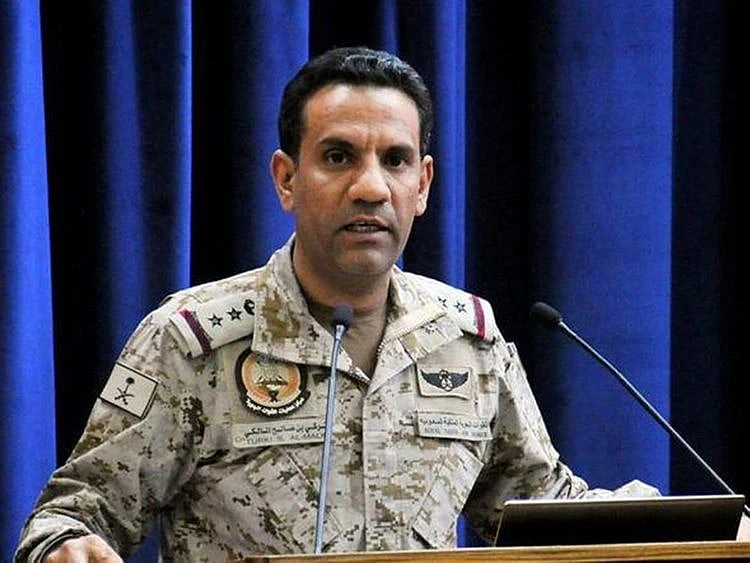
A major military offensive has commenced in Yemen as a Saudi-led coalition launched Operation 'Fajr Al-Yemen' (Dawn of Yemen) on Monday. The operation involves the deployment of 100 combat jets aimed at neutralizing Iran-backed Houthi militia targets across the region.
Initial Strikes and Strategic Objectives
Coalition spokesperson Major General Turki Al-Maliki announced via X that the initial phase of the operation has already destroyed 324 high-value targets. A primary strategic objective of the mission is to provide essential air cover for the Bab al-Mandab Strait.
Rashad Al-Alimi, Chairman of the Presidential Council for the internationally recognized Yemeni government, stated that the offensive is designed to achieve several critical goals, including:
- Restoring state institutions.
- Reclaiming territory currently held by Houthi forces.
- Liberating the capital city, Sanaa.
Ground Advancements and Houthi Response
On the ground, Yemeni army spokesperson Lieutenant Colonel Majid Abdullah Al-Nuzaili reported that government forces, including the Nation Shield Force and the Southern Giants Brigade, have successfully secured the Bab al-Mandab region. Additionally, they have severed the road connecting Mocha to the Zubab airport, a move that has reportedly trapped hundreds of Houthi fighters.
The Houthi military spokesperson, Yahya Saree, provided a different account, claiming the coalition conducted 106 air and missile strikes across Houthi-controlled areas, including Taiz, Al-Jawf, and Sanaa. While the Houthis previously claimed to have launched a drone and ballistic missile attack on an Aramco facility near Riyadh, the coalition has dismissed these claims as a distraction.
Regional Tensions and Economic Fallout
The conflict is driving significant regional instability. Iranian Parliament Speaker Mohammad Bagher Ghalibaf has declared that the Strait of Hormuz will remain closed until the United States fulfills seven specific conditions related to a previous agreement. Meanwhile, Brigadier General Ali Fadavi of the IRGC claimed that no U.S. vessels are currently present in the Persian Gulf, the Strait of Hormuz, the Sea of Oman, or the Northern Indian Ocean.
Impact on UAE Fuel Prices
The ongoing conflict is having a direct economic impact on the UAE. Retail fuel rates have surged by more than 60 percent since the conflict began in February. As of October 1, the current fuel prices in the UAE