Saudi Arabia Raises Nitaqat Wage Thresholds, Impacting Indian Expats
Saudi Arabia is raising minimum salary thresholds for Nitaqat compliance, impacting millions of Indian expatriates and workforce structures.
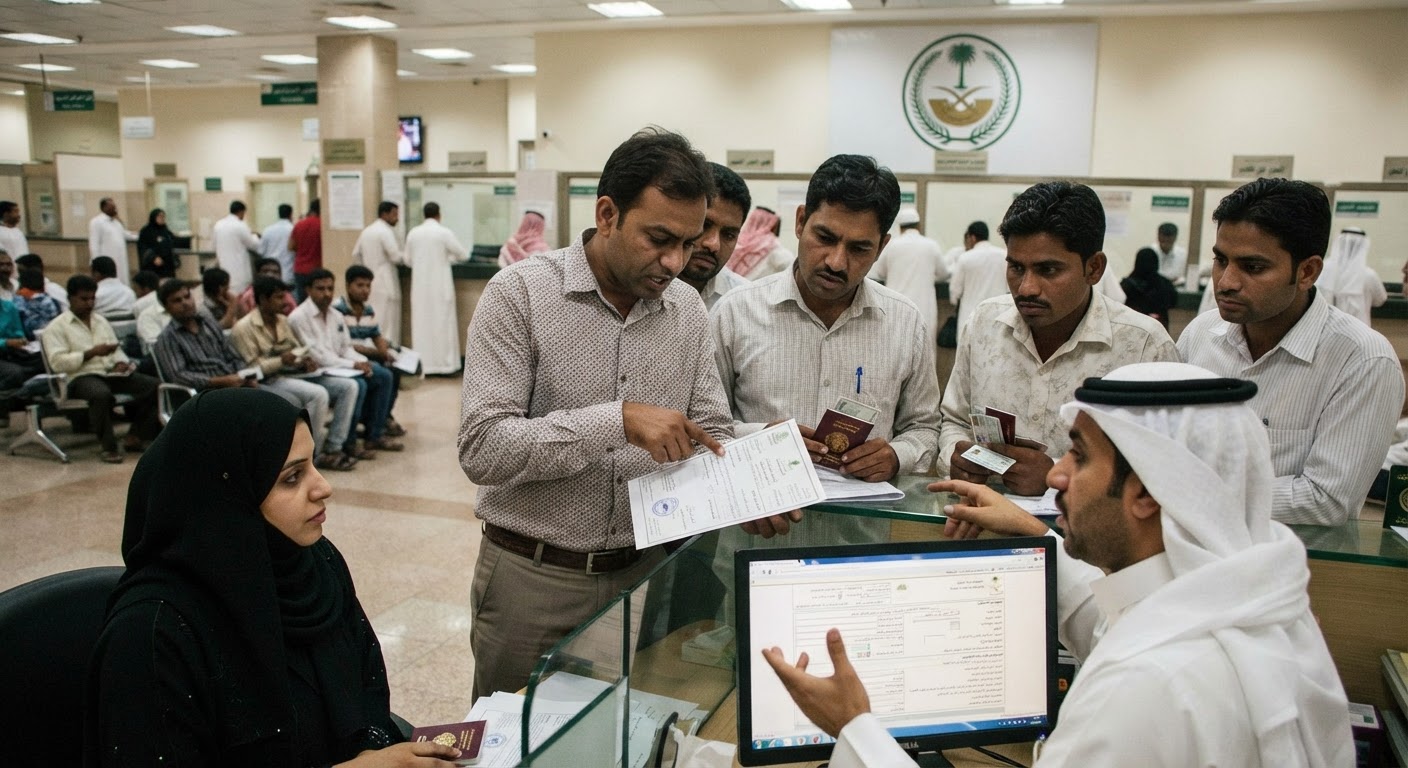
The Saudi Arabian Ministry of Human Resources and Social Development (MHRSD) has announced significant revisions to wage regulations under the Nitaqat Saudization program. This policy shift is expected to create substantial uncertainty for the approximately 2.75 million Indian expatriates currently residing in the Kingdom.
Staggered Increases to Minimum Salary Thresholds
The new regulations introduce a tiered increase in the minimum monthly salary required for a Saudi national to be recognized as a full-time worker under the Nitaqat system. While the current threshold stands at SAR 4,000, the Ministry has outlined a roadmap for upcoming increases:
- April 25, 2027: The minimum salary threshold will rise to SAR 5,000.
- April 25, 2028: The threshold will increase further to SAR 6,000.
The policy, which was officially announced on October 25, 2026, also involves aligning Human Resources Development Fund (HRDF) subsidies with these higher salary brackets.
The 'Half-Worker' Compliance Risk
The most critical aspect of this change for businesses is how employees are counted toward Saudization quotas. Under the new rules, any employee earning below the established salary thresholds will be calculated as half a worker or less for the purposes of corporate compliance.
Companies that fail to meet the required Saudization ratios due to these lower-earning employees face severe consequences, including:
- Restrictions on obtaining new work visas.
- Limited access to essential government services.
Potential Impact on the Indian Diaspora
Industry analysts suggest that these changes may force private sector firms to undergo significant workforce restructuring. This could lead to wage stagnation, reduced hiring, or the replacement of expatriate staff with Saudi nationals to meet compliance targets.
The Indian community, which is heavily represented in sectors such as construction, IT, healthcare, and retail, faces the highest risk of displacement. Furthermore, the potential contraction in Saudi hiring is expected to have a ripple effect on remittances sent back to India, particularly impacting the states of:
- Kerala
- Uttar Pradesh
- Bihar
- Tamil Nadu
Existing Labor Concerns
The announcement comes amid ongoing concerns regarding labor conditions for low-skilled roles in the Kingdom. Current reports indicate that many workers in these positions earn between SAR 1,000 and SAR 2,500. Additionally, issues such as unpaid overtime and the withholding of passports continue to be raised by labor advocates.