Saudi Air Defenses Thwart Houthi Missile Strike on Critical Oil Hubs
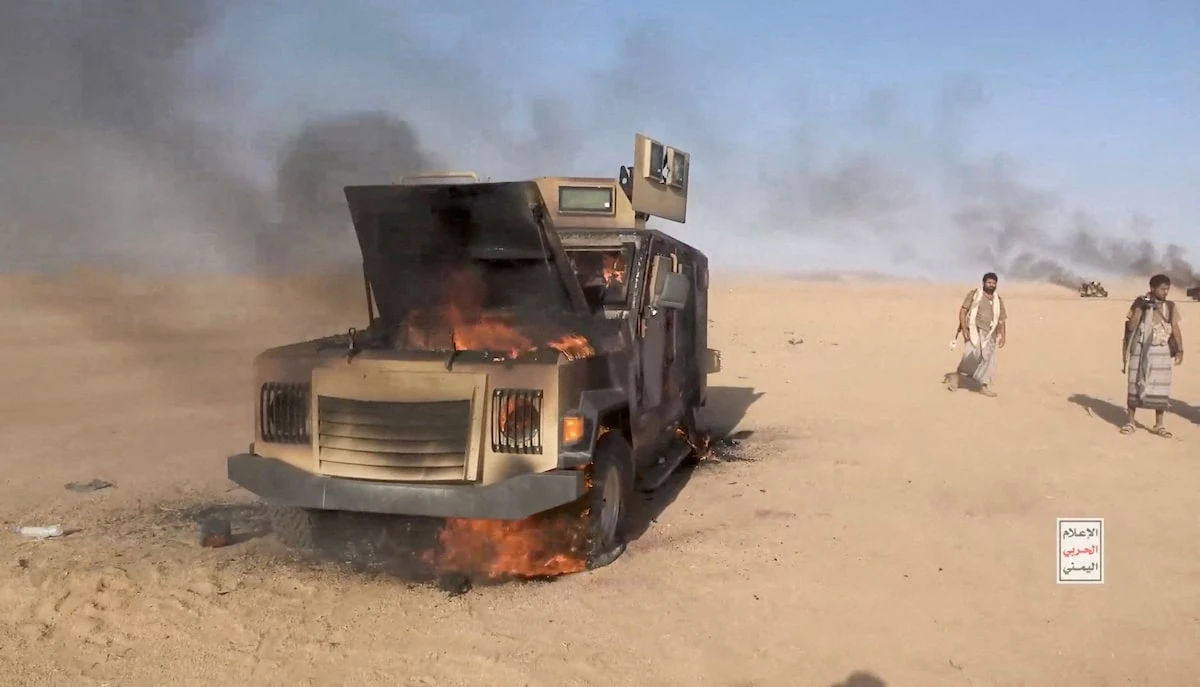
Saudi Arabian air defense systems successfully neutralized six ballistic missiles launched by Iranian-backed Houthi forces on Thursday. The projectiles were aimed at the city of Taif and the strategic Red Sea oil hub of Yanbu.
While the interception was successful, the attack triggered emergency alert sirens across several regions, including Makkah, Jeddah, and Tabuk.
Conflicting Claims Over Targeted Infrastructure
Following the strike, Houthi forces claimed to have successfully hit sensitive targets in Riyadh and Aramco facilities. However, the Saudi government has officially denied these reports, maintaining that all incoming missiles were intercepted.
Houthi spokesman Yahya Saree further alleged that the group launched dozens of missiles and drones toward Jazan, targeting military command rooms, depots, and camps. As of now, Riyadh has not confirmed any such strikes in the Jazan region.
The attack occurs at a high-stakes moment for regional energy security. The East-West pipeline, which serves as a vital emergency bypass for Saudi crude, has only recently resumed operations following previous drone strikes originating from Iraq.
Escalating Ground Conflict and Humanitarian Crisis
The tension is not confined to the skies. On the ground, government forces have reported a successful defense against a Houthi advance on the Hejat al-Abd mountain road, a primary supply route between Aden and Taiz. The Houthi movement has also expanded its territorial influence, maintaining a presence on both sides of the Bab al-Mandeb strait following the seizure of Mocha, Dhubab, and Perim Island two weeks ago.
The human cost of this intensifying conflict is staggering. According to recent United Nations data:
- Over 700 people have lost their lives due to the escalation.
- Nearly 130,000 individuals have been displaced from their homes.
- More than 3,000 people have been forced to flee by boat across the Red Sea to Africa.
Global Market Volatility and Diplomatic Efforts
The regional instability has had an immediate impact on global markets, with oil prices briefly spiking toward a one-week high. Prices later softened following reports of diplomatic discussions in New York between U.S. and Iranian officials regarding the potential reopening of the Strait of Hormuz.
On the diplomatic front, Gulf nations—including the UAE, Qatar, Oman, and Bahrain—are actively engaging in ongoing efforts at the United Nations General Assembly to address the crisis.
"The actions of this terrorist militia are violations that will be met with a firm response," stated Saudi coalition spokesman Maj. Gen. Turki al-Malki.
While the Saudi coalition condemns these strikes, the Houthi movement maintains that its attacks on military and energy sites are retaliatory measures against ongoing Saudi air raids. With the Bab al-Mandeb strait contested and the Strait of Hormuz disrupted, the international community is closely watching the outcome of diplomatic negotiations expected over the next 48 hours.