Saudi Air Defenses Smash Six Houthi Missiles; Major Cities Hit by Emergency Alerts
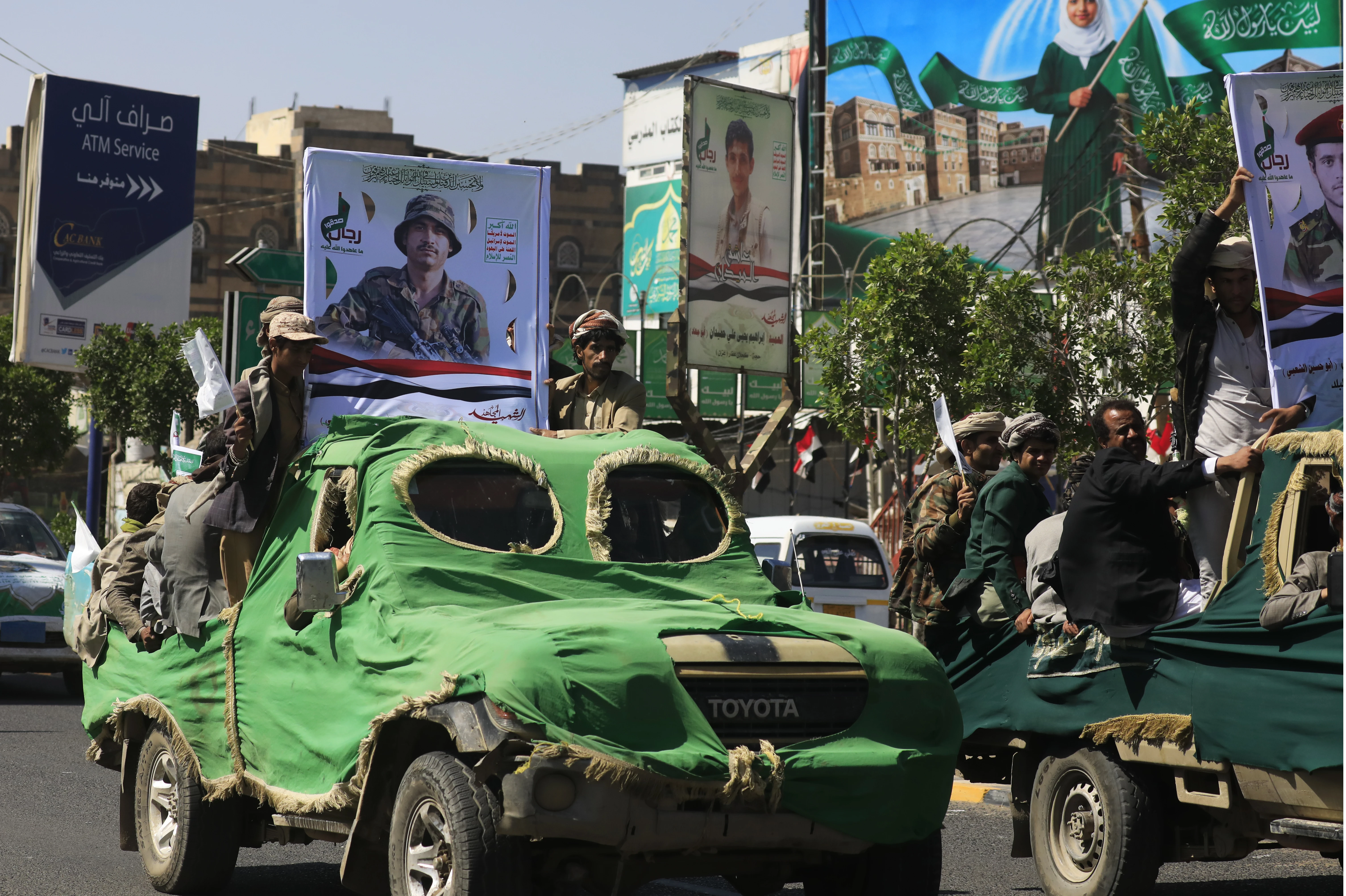
Saudi Arabia's skies were filled with tension on Thursday, September 24, as air defense systems successfully neutralized six ballistic missiles launched by Iran-backed Houthi rebels. The sudden barrage triggered widespread emergency sirens and mobile alerts across several key cities, including Mecca, Jeddah, Taif, Yanbu, and Tabuk.
Missiles Targeted Strategic Oil Hubs and Cities
According to Coalition spokesman Col. Turki Al-Malki, the incoming projectiles were aimed at Taif and the critical Red Sea oil port of Yanbu. The defense systems successfully destroyed the threats, and an all-clear was issued within a few hours. Fortunately, no casualties were reported following the intense aerial engagement.
In the Yanbu area, Greek-operated Patriot missile batteries also played a role in the defense, reportedly engaging both a ballistic missile and a drone during the incident.
A Pattern of Escalation
This latest strike is part of a worrying trend of regional instability. It follows a significant incident on September 19, where a ballistic missile was intercepted near Riyadh’s King Khalid International Airport. Previous attempts have also targeted the holy city of Mecca.
Civil Defense Warnings to Residents
As the situation unfolded, Civil Defense authorities issued urgent guidance to the millions of residents and expatriates in the affected zones. The instructions were clear:
- Remain indoors until the all-clear is officially given.
- Avoid filming security operations to ensure the safety of defense personnel.
Global Economic and Security Implications
The Houthi rebels' ability to seize control of Yemen’s Red Sea coast and approach the Bab al-Mandab strait has placed global energy security under the microscope. With the threat of disruption at both the Strait of Hormuz and the Red Sea, global oil prices have remained above $100 per barrel.
Saudi officials have declared that they will deal firmly with any further escalations or violations by the Houthi militia.
As stockpiles of defense munitions decrease, Riyadh has reportedly requested additional interceptor supplies from international partners. Meanwhile, the political tension continues to rise, with Houthi leader Abdul-Malik al-Houthi issuing warnings to Turkey and Pakistan regarding the Mecca Joint Defence pact.
While daily operations and flights continue in Jeddah, Yanbu, and Taif, the regional atmosphere remains highly volatile. As of now, neither Iran nor the Houthi leadership has officially claimed responsibility for this specific volley of missiles.