Saudi Air Defenses Smash Six Houthi Ballistic Missiles Over Taif and Yanbu
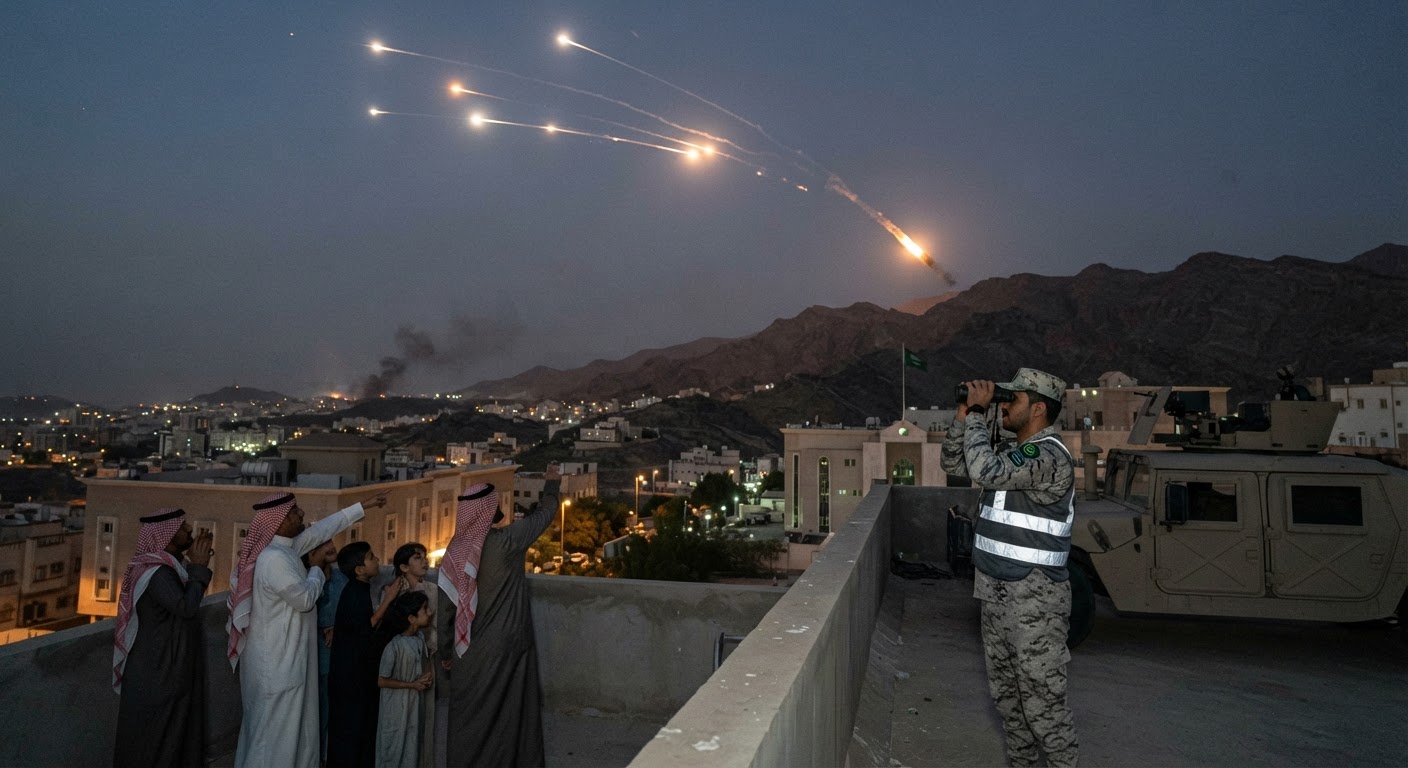
The Royal Saudi Air Defence Forces successfully intercepted a barrage of six ballistic missiles launched by Iran-backed Houthi rebels on Thursday, September 24, 2026. The military operation was a direct response to an attempted strike targeting the cities of Taif and Yanbu.
Coalition spokesman Colonel Turki Al-Malki confirmed the interception, stating that the kingdom's defense systems effectively thwarted the attack on these critical locations.
Widespread Emergency Alerts Across Five Regions
The missile threat triggered immediate emergency protocols, sending Civil Defence sirens and mobile phone alerts ringing across multiple areas. The alerts reached residents in:
- Yanbu
- Tabuk
- Taif
- Mecca
- Jeddah
While the sudden sirens caused widespread alarm, authorities eventually issued an all-clear to the public following the successful interception.
Strategic Targets and Escalating Geopolitical Tensions
The attempt on Yanbu is particularly concerning due to its status as a critical Red Sea energy hub. This latest incident follows a series of strikes aimed at Saudi infrastructure, including previous attempts on the capital, Riyadh. The security situation is being further complicated by broader regional tensions:
- Iranian Resistance: Iranian President Masoud Pezeshkian has vowed to resist American pressure amidst the ongoing conflict.
- Expansion Risks: Advisers to Supreme Leader Mojtaba Khamenei have issued warnings regarding the potential expansion of the war into the Indian Ocean.
Riyadh has issued a stern warning, stating that any further violations by the Houthi militia will be met with firm and decisive action.
Global Economic Fallout and Maritime Disruptions
The instability in the region is creating significant ripples across global markets and shipping lanes. As maritime traffic in the Strait of Hormuz faces severe restrictions, several economic indicators have shifted:
- Surging Oil Prices: Markets reacted to the instability with oil prices rising by nearly 4 percent.
- Shipping Diversions: U.S. Central Command reports that 115 commercial vessels have been forced to divert their routes due to the ongoing blockade.
- Crude Import Declines: Asian crude imports have fallen approximately 13 percent below pre-war levels.
Financial Sanctions and the Human Cost
The conflict is also reshaping regional finance. In a move to curb terrorism financing, the UAE Central Bank has barred all branches of Iran’s Bank Melli from conducting transactions, citing violations related to anti-money-laundering protocols. This decision has led to further ruptures in regional trade.
Beyond the economic and political data, the persistent threat of missile fire remains a constant danger for the Gulf's massive expatriate workforce. Large communities from India, Pakistan, the Philippines, Egypt, and Bangladesh continue to live under the shadow of sudden siren alerts and regional military escalations.