Riyadh Under Fire: Saudi Defenses Thwart Houthi Missile Strike
The Saudi capital was jolted awake in the early hours of Saturday as air-raid sirens wailed across Riyadh, signaling a direct ballistic missile attack from Yemen’s Iran-backed Houthi forces. The strike, aimed at the massive metropolitan area of over eight million residents, marked the first major alert since the Houthi front expanded earlier this summer.
Explosions and Smoke Near Riyadh’s Airport
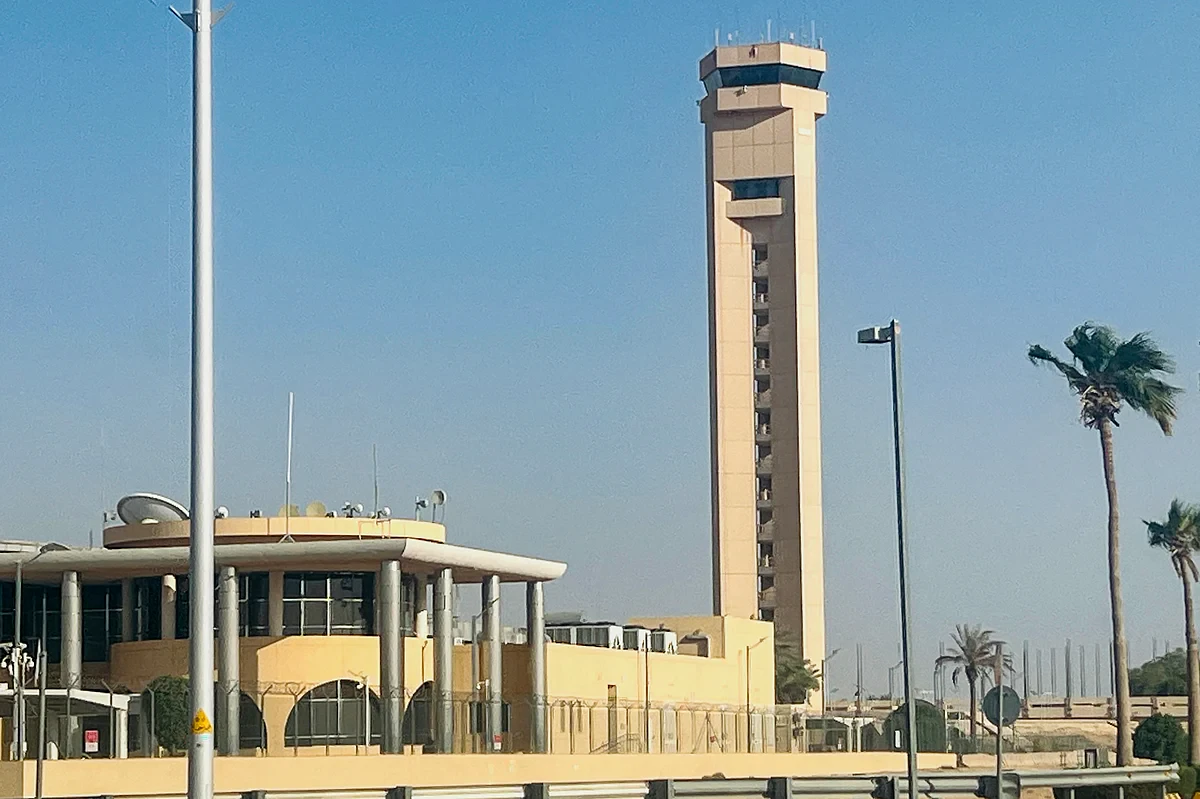
While Saudi air defenses successfully intercepted the incoming projectile at dawn, the engagement was far from silent. Residents reported hearing massive explosions, and a thick column of black smoke soon billowed from a fuel depot situated adjacent to King Khalid International Airport. The situation required an immediate response from firefighters, who were deployed to tackle a fire at an Aramco tank. The incident caused significant disruptions to flight operations at the capital's primary aviation hub.
Coalition spokesman Maj. Gen. Turki al-Malki confirmed that the missile was destroyed during the interception. However, the intensity of the attack has raised serious security concerns across the Kingdom, especially following a recent incident in Taif where falling debris from an intercepted drone resulted in the death of a Yemeni resident.
Houthi Claims and Strategic Retaliation
The Houthi forces have claimed responsibility for a multi-pronged offensive, asserting they targeted "sensitive sites" within Riyadh as well as Aramco facilities located in the Red Sea port of Yanbu. According to the group, the operation utilized a sophisticated mix of:
- Ballistic missiles
- Cruise missiles
- Unmanned drones
The Houthis stated these strikes were carried out in retaliation for Saudi airstrikes on Sanaa. Beyond the capital, Saudi authorities reported that additional attempted attacks were intercepted targeting Baish, Taif, Farasan, and Yanbu.
The group, which currently controls Yemen's Red Sea coast and strategic islands in the Bab el-Mandeb, claims to have significantly crippled Saudi energy logistics. They have alleged a 95 percent reduction in Saudi oil exports through that critical chokepoint, while the East-West pipeline remains offline following previous strikes.
Global Tensions and Regional Impact
The escalation has drawn swift international condemnation. The UN Security Council, the GCC, and several regional powers including Bahrain, Kuwait, Egypt, and Jordan have all issued statements against the targeting of civilian areas. Amidst the rising tension, Turkey’s foreign minister has suggested the possibility of providing military support to Riyadh through a defense pact with Pakistan.
The geopolitical landscape remains highly volatile:
- US Travel Advisories: American officials in Abu Dhabi have advised US citizens to reconsider traveling within the region.
- Strait of Hormuz Threats: The Iranian parliament speaker has warned that the Strait of Hormuz will remain closed until Tehran's specific terms are met, with official Mohsen Rezaei noting that seven conditions have been sent via Qatar.
- Aviation Disruptions: While many regional flights to Saudi Arabia faced cancellations, UAE airports remained operational on Sunday.
"The Houthi forces utilized a combination of ballistic missiles, cruise missiles, and drones..."