Riyadh Under Fire: Houthi Missile Strike Triggers Chaos and Global Outcry
A massive escalation in the Yemen conflict unfolded on September 19, 2026, as Houthi forces launched a ballistic missile strike targeting the Saudi capital, Riyadh. The dawn attack sent shockwaves through the city, prompting emergency alerts and causing significant disruption to air travel.
Explosions and Emergency Alerts in Riyadh
While Saudi air defenses reported intercepting the incoming missile, the impact was far from contained. Residents witnessed intense explosions, and a large fire broke out at an Aramco fuel storage facility located near King Khalid International Airport. Although official confirmation regarding a direct hit on the airport is pending, visual evidence showed thick black smoke billowing over the terminal, causing immediate chaos for travelers and local authorities.
Houthi Forces Claim Two Waves of Attacks
Houthi military spokesman Yahya Saree took full responsibility for the operation, describing it as part of two distinct waves of strikes. According to Saree, the assault utilized a combination of:
- Ballistic missiles
- Cruise missiles
- Drones
The spokesman stated that these strikes were specifically aimed at "sensitive sites" within Riyadh and Aramco infrastructure in Yanbu.
Wider Regional Escalation and IRGC Activity
The Saudi-led coalition confirmed the strike on the capital and reported that they successfully thwarted further attempts to target civilians and infrastructure in several other locations, including Bisha, Taif, Farasan, and Yanbu.
Intelligence reports have added a layer of complexity to the conflict. Data from the Institute for the Study of War and Houthi sources suggest that Iranian Revolutionary Guard Corps (IRGC) officers are actively involved in the region, supervising the construction of tunnels near Mokha and the installation of radar systems on Zuqar Island. This follows Houthi declarations of intent to control Red Sea navigation and maintain a blockade against Saudi shipping.
Global Diplomatic Response and Security Warnings
The sudden surge in violence has prompted immediate security measures across the Gulf. US embassies in Saudi Arabia, the UAE, Bahrain, and Qatar have issued warnings regarding potential volatility in regional airspace.
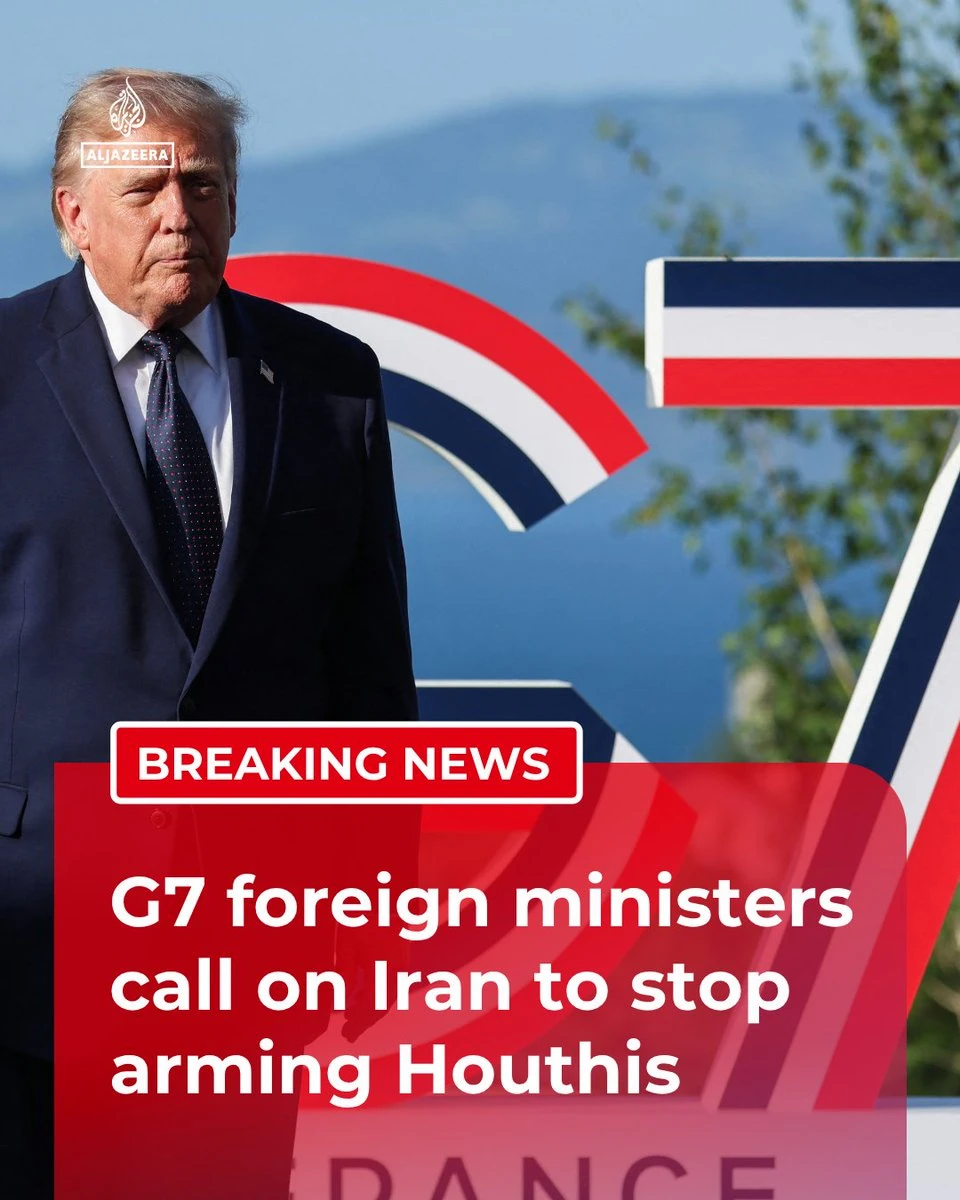
On the international stage, the G7—comprising Britain, Canada, France, Germany, Italy, Japan, and the United States—issued a unified condemnation of the Houthi strikes. During the UN General Assembly, G7 foreign ministers demanded that Iran cease its support and arming of the Houthi group.
Defensive Pledges and Iran's Counter-Demands
As the situation evolves, several nations have stepped forward with defensive offers:
- France: Offered defensive assistance to protect Saudi energy sites at Yanbu and the East-West pipeline.
- United Kingdom: Offered air-to-air refueling support for defensive operations.
While Yemen’s Presidential Leadership Council chief, Rashad al-Alimi, has sought support from US President Donald Trump, no direct US combat commitment has been made. Meanwhile, Iran has responded through diplomatic channels. Mohsen Rezaei, secretary of Iran's Supreme National Security Council, stated via Al Jazeera that Iran has presented specific terms to Washington through Qatar, including:
- An immediate end to the war.
- The unfreezing of Iranian assets.
- The lifting of US naval restrictions on Iranian ports.