Riyadh Under Fire: Houthi Missile Strike and Hormuz Closure Send Shockwaves Through Gulf
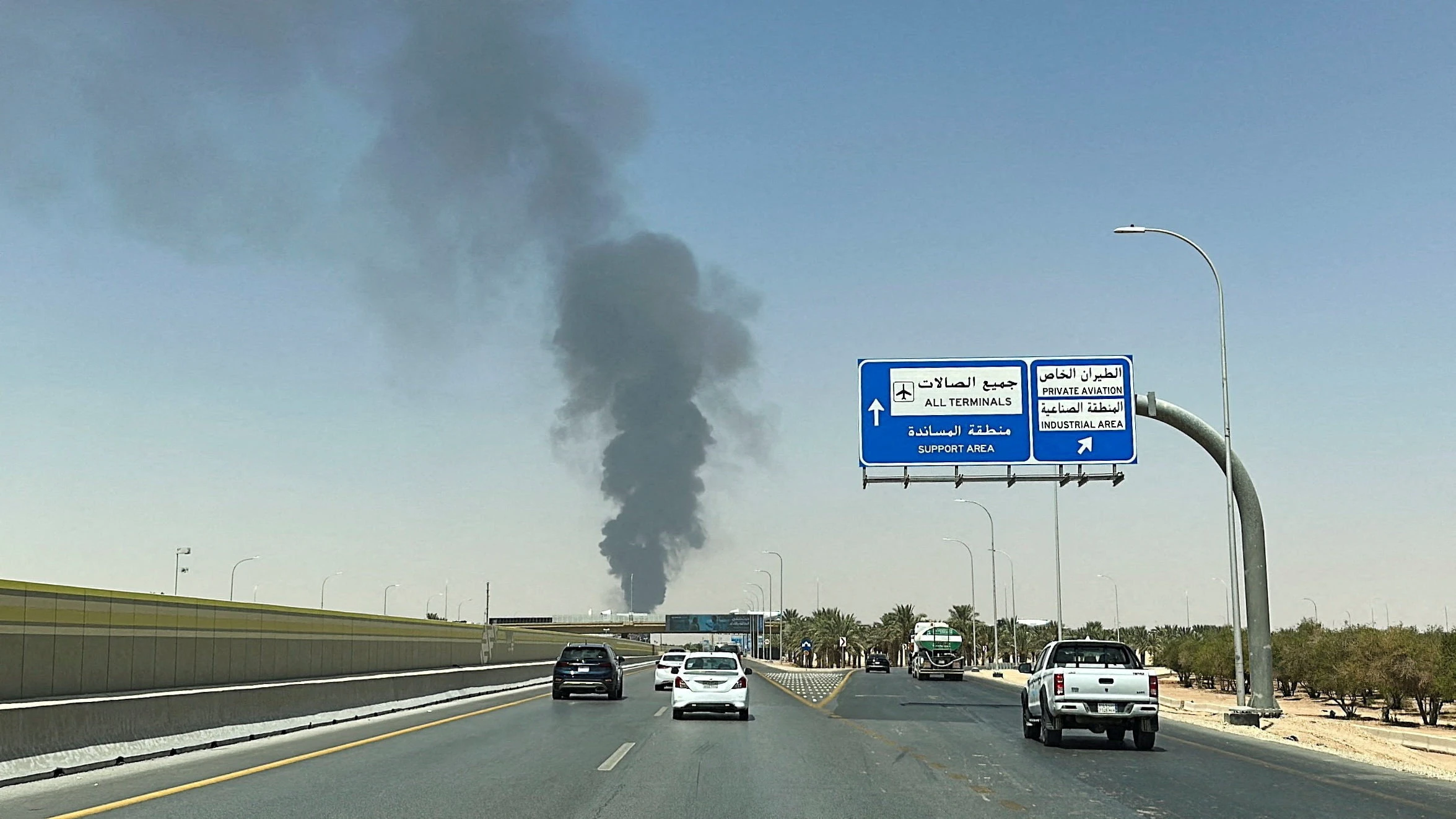
The geopolitical landscape of the Middle East reached a fever pitch this weekend as a coordinated barrage of missiles targeted the Saudi capital, coinciding with a strategic blockade of one of the world's most vital maritime arteries.
Chaos in Riyadh: Sirens Sound as Fuel Depots Smoke
On Saturday, 19 September 2026, the peace of Riyadh was shattered by the wail of air-raid sirens. For the first time since the escalation of hostilities earlier this summer, the Saudi capital faced a direct ballistic missile threat from Yemen’s Iran-backed Houthi forces.
Witnesses in the city reported massive explosions, with a thick plume of black smoke billowing from an Aramco fuel storage facility situated near King Khalid International Airport. While firefighters rushed to combat the blaze at the storage tanks, the visual impact of the smoke sent a wave of concern through the region.
Conflicting Accounts: Interceptions vs. Successful Strikes
As the smoke cleared, two vastly different narratives emerged regarding the effectiveness of the attack:
- The Saudi-led Coalition: Officials stated that their air defense systems successfully intercepted a ballistic missile aimed at Riyadh at dawn. They further claimed to have neutralized subsequent attempts to strike Yanbu, Taif, Bisha, and Farasan.
- The Houthi Forces: Military spokesman Yahya Saree claimed the operation was a massive success, utilizing a combination of ballistic missiles, cruise missiles, and drones to hit sensitive sites in Riyadh and Aramco facilities in Yanbu. The Houthis framed the strike as direct retaliation for Saudi airstrikes on Sanaa.
Despite the visible smoke at the fuel depot, Riyadh authorities reported no casualties or confirmed structural damage resulting from the engagement.
The Hormuz Standoff: Oil Prices Surge and Shipping Stalls
The military tension in the air was mirrored by a strategic stranglehold at sea. On Sunday, 20 September 2026, Iranian Parliament Speaker Mohammad Bagher Ghalibaf delivered a stern ultimatum to the Majlis, declaring that the Strait of Hormuz will remain closed.
According to Ghalibaf, the waterway will not reopen, nor will negotiations resume, until Washington honors a memorandum from June and recognizes Iranian rights. This blockade has had immediate and severe consequences:
- Maritime Traffic: Shipping through the strait has plummeted to a mere fraction of its usual volume.
- Energy Markets: Brent oil prices have been pushed toward the triple-digit mark as supply concerns mount.
- Logistics: Regional airlines and oil refiners are being forced to adopt costly new routes around Oman and the Red Sea to avoid the closed passage.
A Region on the Brink: Diplomatic Deadlock
As regional air traffic faces disruptions and Gulf markets open to losses, the diplomatic path to peace appears increasingly obstructed. Efforts to mediate, originally scheduled to take place in Oman last week, have been postponed due to a lack of consensus between Riyadh and Tehran regarding the status of the strait.
The regional response remains deeply divided:
- The UAE has ceased all trade with Iran.
- Bahrain has declined to participate in recent diplomatic efforts.
- Qatar