Riyadh Targeted: Houthi Missile Strike Triggers Regional Alarm
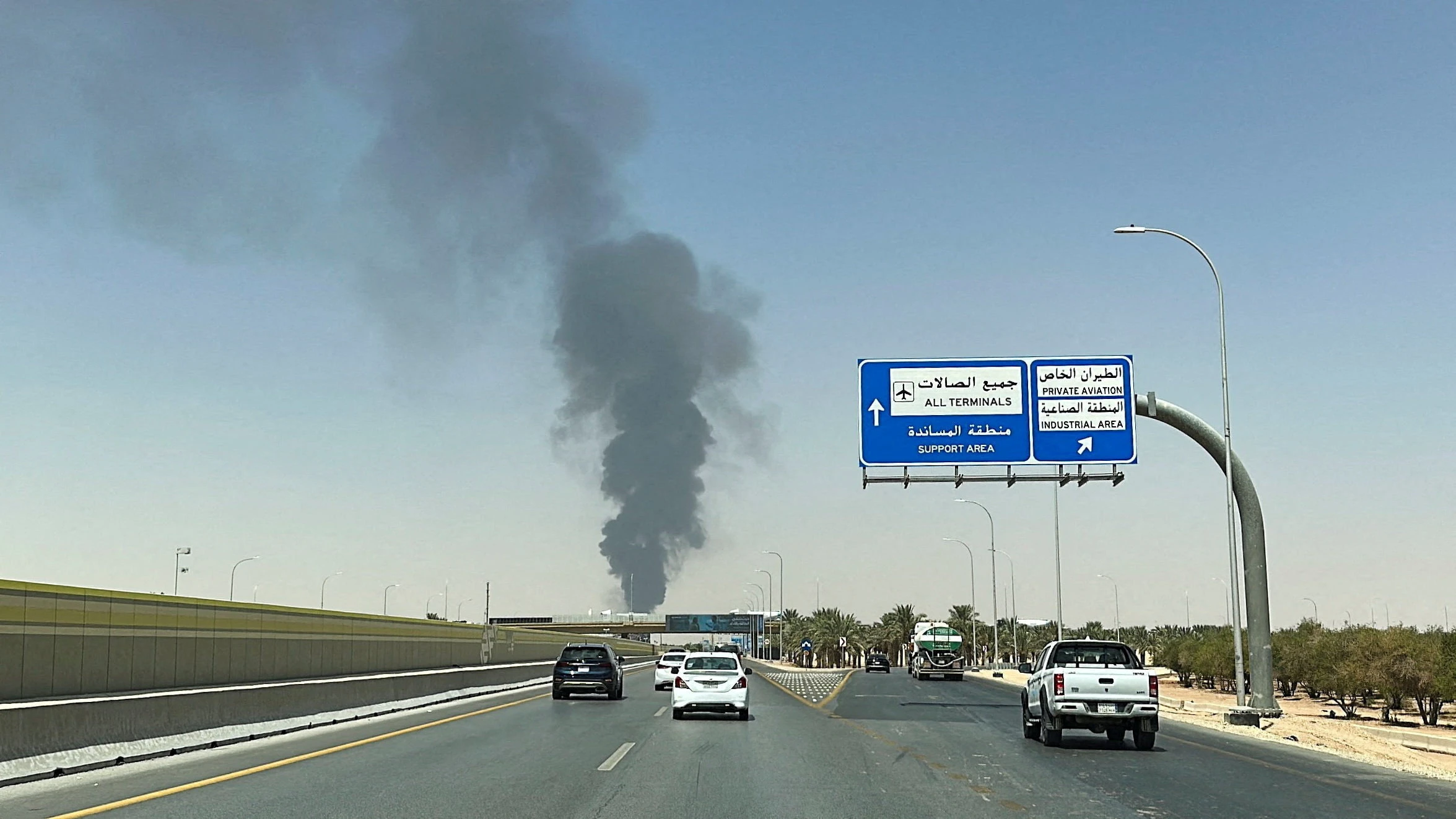
The Saudi capital of Riyadh was thrown into chaos on the morning of September 19, 2026, when an Iran-backed Houthi ballistic missile targeted the city. The strike triggered widespread air-raid alerts across the metropolis, which houses more than eight million residents.
The impact of the attack was felt near King Khalid International Airport, where a fire broke out at a fuel depot bearing the Aramco logo. Despite the intensity of the event, Saudi-led coalition spokesman Maj. Gen. Turki al-Malki confirmed that the missile was intercepted and destroyed. The coalition further reported that several other attempts to strike civilian targets and infrastructure in Bisha, Taif, Farasan, and Yanbu were successfully thwarted.
Retaliation and Human Cost
Houthi military spokesman Yahya Saree claimed responsibility for the operations, which involved a combination of ballistic missiles, cruise missiles, and drones. Saree stated that these strikes were carried out in retaliation for Saudi airstrikes on Sanaa.
The conflict has exacted a heavy toll on civilians:
- At least one death was reported in Taif due to falling debris.
- Thousands of Yemenis have been displaced by ongoing Saudi airstrikes in regions including Taiz, Marib, Hajjah, and Al-Jawf.
Geopolitical Escalation and Maritime Blockades
This latest escalation occurs within the context of a six-month conflict involving U.S.-Israeli strikes on Iran. The strategic landscape has shifted significantly as Iran has restricted access to the Strait of Hormuz, while the Houthis have seized control of Yemen's Red Sea coast, including Mocha and Perim Island, directly impacting the Bab al-Mandab strait.
In response to the ongoing tensions, Iran's secretary of the Supreme National Security Council, Mohsen Rezaei, has presented a set of conditions to the United States via Qatar. These demands include:
- An immediate end to the war.
- The release of frozen assets.
- The lifting of the U.S. naval blockade on Iranian ports.
- An end to the Saudi-Yemen conflict.
Parliament speaker Mohammad Bagher Ghalibaf has reinforced this stance, declaring that the Strait of Hormuz will remain closed until these conditions are satisfied. While U.S. President Donald Trump has indicated he is "open" to a potential meeting with Iranian President Masoud Pezeshkian at the UN General Assembly, the military rhetoric remains aggressive. The Khatam al-Anbiya Central Headquarters issued a stern warning, stating that any mistake by the U.S. or regional players would result in "painful" strikes.
Regional Divisions and Market Volatility
The Gulf states remain deeply divided in their approach to the crisis. The UAE is maintaining a hard line, while Qatar and Oman continue to serve as mediators. Meanwhile, Bahrain—which hosts the U.S. Fifth Fleet—has refused any diplomatic engagement.
The instability is already being felt in the economy. Regional markets have seen a decline in Gulf stocks, and oil prices have climbed higher. These market reactions coincide with intelligence reports suggesting that hundreds of IRGC officers are currently on the ground providing support for Houthi operations.