Riyadh Targeted: Houthi Ballistic Missile Strike Escalates Regional Crisis
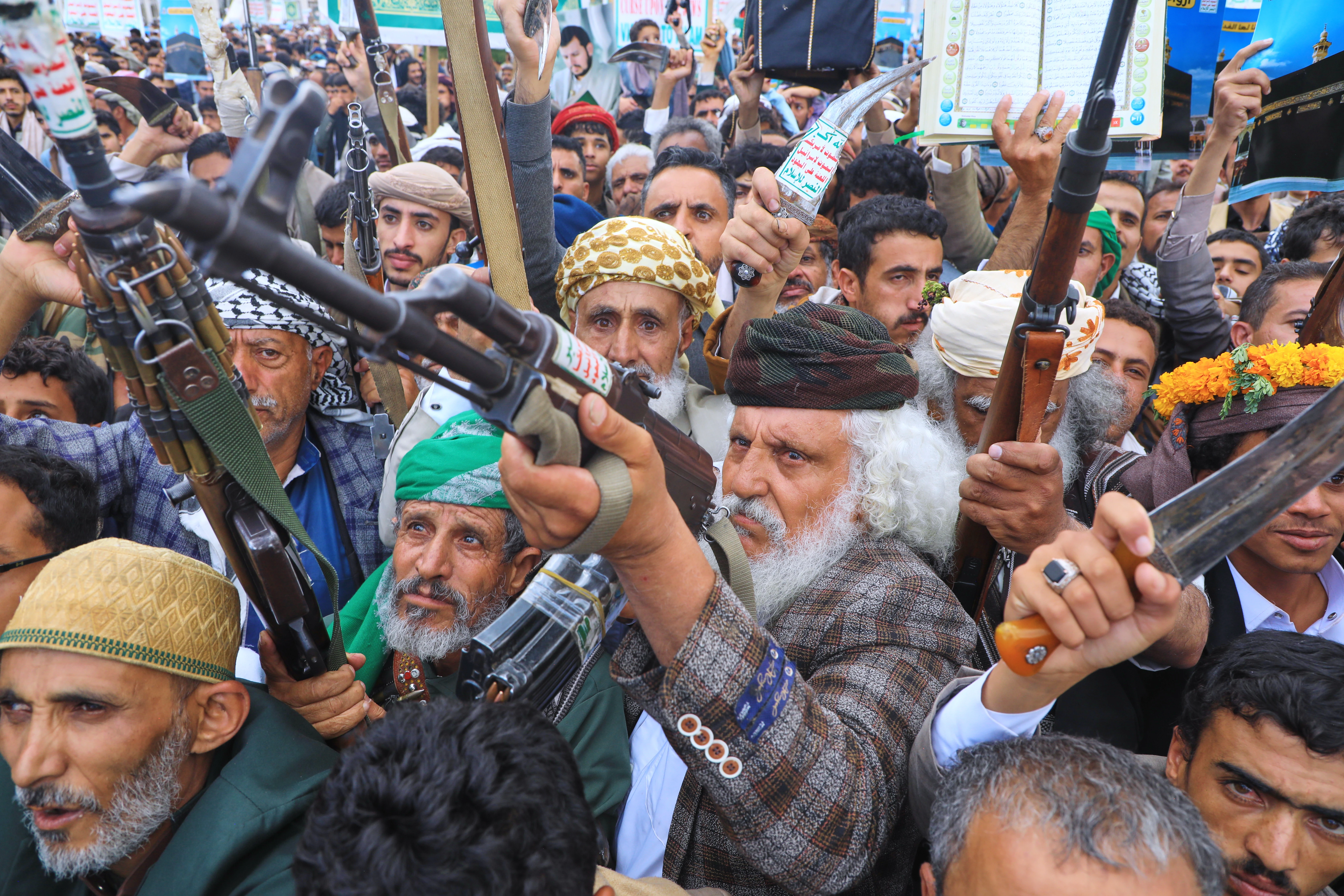
A pre-dawn ballistic missile attack launched by Iran-backed Houthi forces targeted the Saudi Arabian capital of Riyadh on Saturday, marking a significant and dangerous escalation in regional hostilities. While Saudi-led coalition air defenses reported the successful interception and destruction of the projectile, the strike caused widespread alarm across the capital.
Residents reported hearing powerful explosions, and a massive plume of black smoke was observed rising near King Khalid International Airport. Emergency responders were also seen at an Aramco-branded fuel tank located in close proximity to the airport facility, an incident that resulted in significant disruptions to flight operations.
Houthi Claims and Multi-Front Strikes
Houthi military spokesman Yahya Saree officially claimed responsibility for the operation, stating that the group targeted sensitive locations within Riyadh as well as Aramco facilities at the Red Sea oil port of Yanbu. According to Saree, the assault was a retaliatory measure for hundreds of Saudi airstrikes conducted in Yemen throughout the week. The Houthi forces reportedly utilized a combination of:
- Ballistic missiles
- Cruise missiles
- Drones
While Saudi officials confirmed that additional attacks aimed at Bisha, Taif, Farasan, and Yanbu were successfully thwarted—reporting no casualties or major damage—Houthi officials countered these claims, alleging that massive fires had occurred during the strikes.
Strategic Threats to Energy Corridors
This incident represents the first confirmed attempt to strike Riyadh with a ballistic missile since the recent resurgence of the conflict. The escalation follows a Houthi offensive along Yemen's Red Sea coast, where the seizure of Mocha and several islands near the Bab al-Mandeb strait has placed critical energy shipping routes under direct threat.
This movement is particularly volatile as Saudi Arabia attempts to reroute crude oil to western terminals like Yanbu to mitigate disruptions at the Strait of Hormuz. The conflict has already seen a series of high-stakes hostilities, including:
- Attacks on the East-West pipeline
- Drone interceptions near Mecca
- Incidents in Taif that resulted in the death of a Yemeni resident
The humanitarian impact of the fighting continues to grow, with over 100,000 Yemenis displaced by the latest surge in violence.
Global Reaction and Diplomatic Gridlock
The potential for rapid escalation has drawn immediate attention from the international community. The U.S. State Department warned of the rising danger, and President Donald Trump returned to the White House from Camp David to monitor the situation. While the U.S. has declined requests for direct military strikes, regional defense alliances are being highlighted:
Turkey has offered potential military support under a defense agreement, while Pakistan has pledged to defend the kingdom to any extent.
Diplomatic efforts to resolve the crisis remain stalled. An Oman-hosted meeting between Gulf states and Tehran was postponed due to disputes regarding waterway control. While the UAE, Qatar, and Oman maintain diplomatic channels, Bahrain has refused engagement with Iran. Meanwhile, international maritime security is increasing, with Italy deploying warships to the Bab al-Mandeb and South Korea considering a naval presence in the area.
Saudi officials have stated they reserve the right to take appropriate action, noting that the conflict has moved beyond border skirmishes to threaten a G20 capital.