Riyadh Refinery Ablaze: Houthi Attack Claim and Hormuz Closure
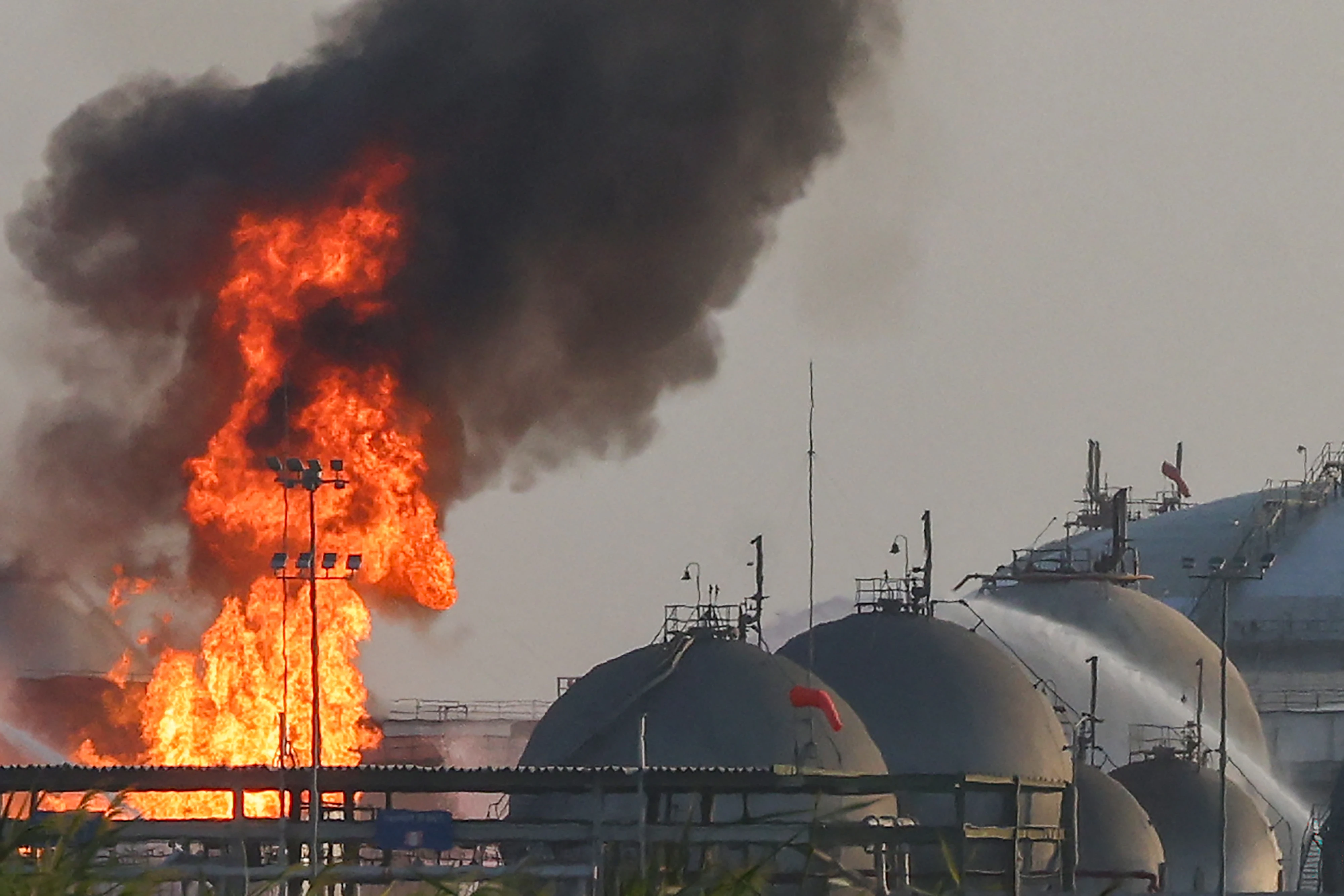
A massive fire broke out at a Saudi Aramco refinery located south of Riyadh on Saturday, sending shockwaves through the region as Yemen’s Houthi rebels claimed responsibility for the strike. While witnesses reported seeing large plumes of black smoke and emergency vehicles rushing to the site, the exact cause of the blaze remains a point of intense contention between warring factions.
Conflicting Claims Over the Refinery Strike
The Houthi military spokesman, Yahya Saree, immediately asserted that the group had successfully executed a "military operation" using a combination of ballistic missiles and drones. Saree described the strikes as precise and intended as a retaliatory measure.
However, the Saudi coalition has struck a different note. Spokesman Turki al-Maliki dismissed the Houthi claims, labeling them as misleading attempts to distract from recent rebel losses. Meanwhile, Saudi Aramco has maintained a cautious stance, with the company not yet publicly confirming the specific cause of the fire.
Iran Maintains Closure of the Strait of Hormuz
As the situation in Saudi Arabia escalates, the geopolitical tension involving Iran continues to threaten global maritime stability. Iran’s parliament speaker, Mohammad Bagher Ghalibaf, confirmed that the Strait of Hormuz will remain closed until seven specific conditions, outlined in a June memorandum with the United States, are met.
There may be a window for relief, however. Iranian Foreign Minister Abbas Araghchi suggested that a plan is currently in place to reopen the vital waterway within seven days, provided that Washington accepts the proposed terms.
In the United States, President Donald Trump offered a blunt assessment of the situation, stating that Tehran’s nuclear plans have been abandoned and describing the country as "decimated."
Escalating Warfare in Yemen
The ground conflict in Yemen has seen a significant surge in violence. The Saudi-backed coalition reported conducting 97 "precision targeting operations" on Sunday. According to military spokesman Colonel Majed Abdullah al-Nazili, these operations resulted in:
- The neutralization of at least 260 Houthi fighters.
- The destruction of 44 military vehicles.
Conversely, Houthi-aligned Al Masirah television reported that Saudi strikes targeted telecommunications infrastructure in Saada and hit Sanaa. Houthi spokesman Yahya Saree claimed that a total of 60 air and missile strikes occurred across various regions, including Taiz, Hajjah, and Marib, within a single 24-hour period.
Maritime Security and Aviation Disruptions
The instability is spilling over into the seas and the skies. The UK Maritime Trade Operations reported that a crude tanker was struck by an unidentified projectile four nautical miles east of Oman on Saturday, highlighting the growing risks to commercial shipping.
Aviation authorities are also on high alert. The European Union Aviation Safety Agency (EASA) has advised European airlines to avoid certain parts of the Jeddah region until mid-November due to the ongoing conflict.
Adding to the regional turbulence, a flydubai flight traveling from Dubai to Tel Aviv was forced to divert to Tabuk following an incident where a co-pilot allegedly attacked the cockpit. These compounding security and economic pressures continue to impact millions of expatriate workers across the Gulf, facing rising costs of living and unpredictable transit challenges.