On Saturday, 19 September 2026, Civil Defense issued danger alerts over Riyadh and Al-Kharj, marking the first time the Saudi capital has been targeted since the Yemen-based, Iran-aligned Houthis escalated their campaign. Reporters from Reuters and AFP heard two explosions in the Olaya district, followed by an all-clear signal; no official claims of impact or confirmed casualties in the capital have been reported. Prior to the alerts, Houthi military spokesman Yahya Saree claimed the group had foiled unspecified criminal attempts in Sanaa, blamed Riyadh, and vowed retaliation, though Saudi state media did not immediately respond.
- Civil Defense issued danger alerts over Riyadh and Al-Kharj on Saturday, 19 September 2026.
- Reporters heard two explosions in the Olaya district followed by an all-clear signal.
- Iran has largely closed the Strait of Hormuz since the U.S.-Israel campaign against Tehran began in late February.
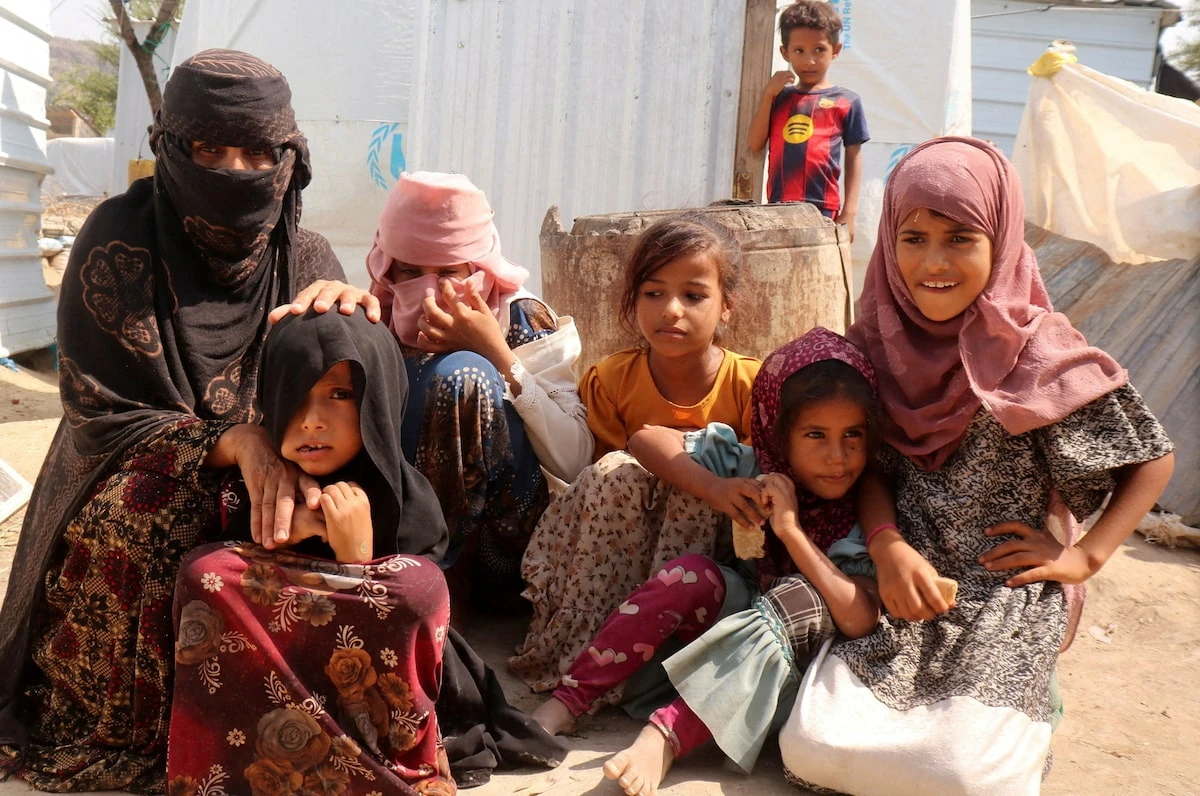
- Over 100,000 Yemenis have been displaced by the fighting, according to the IOM.
The conflict is occurring amidst a two-front energy war. Iran has largely closed the Strait of Hormuz since the U.S.-Israel campaign against Tehran began in late February, forcing Gulf crude to be diverted toward the Red Sea and Saudi Arabia’s East-West pipeline. The Houthis have recently seized Yemen’s entire Red Sea coast, including Mokha and Perim Island. In response, Saudi aircraft have conducted hundreds of sorties in Taiz, Marib, Hajjah, and Hodeidah, including 40 F-15 strikes in a single 24-hour window mid-week. While the Houthis claim to have downed a Saudi F-15, Riyadh has not confirmed this. Riyadh has confirmed one death: a Yemeni resident killed in Taif by debris from an intercepted drone. A Saudi woman and a Pakistani resident were wounded, bringing the total number of injuries this month to at least 87.
On Tuesday, coalition spokesman Turki al-Malki reported the interception of a Houthi drone south of Mecca. The Houthis deny targeting the holy city, and Iran has questioned Riyadh’s account. Meanwhile, diplomatic efforts remain stalled. An Oman-hosted meeting regarding the Hormuz corridor was postponed, and Bahrain has refused to engage with Tehran. UAE Crown Prince Khaled bin Mohamed Al Nahyan met Iranian President Masoud Pezeshkian on the sidelines of the BRICS summit, but the meeting did not resolve the waterway closure. Internationally, Italy, through Defence Minister Guido Crosetto, has committed to strengthening its naval presence via the Aspides mission, with the frigate Carlo Bergamini escorting the merchant ship Jolly Oro through the Bab al-Mandeb on Friday. The UN Security Council condemned Houthi attacks on Saudi infrastructure on Friday.
The IOM reports that over 100,000 Yemenis have been displaced by the fighting, with many fleeing to Djibouti or inland. Pakistan’s army chief Asim Munir has reportedly contacted Iranian Foreign Minister Abbas Araghchi to urge restraint, and China has made similar private requests. A two-week truce offer mediated by Oman was rejected on 18 September. While the immediate danger in Riyadh has passed, the ability of the Houthi-Iran axis to trigger civil alerts in the Saudi political center remains a significant shift in the conflict.