Over 800 Indian Workers Die in Gulf Amid Ongoing Regional Maritime Security Concerns
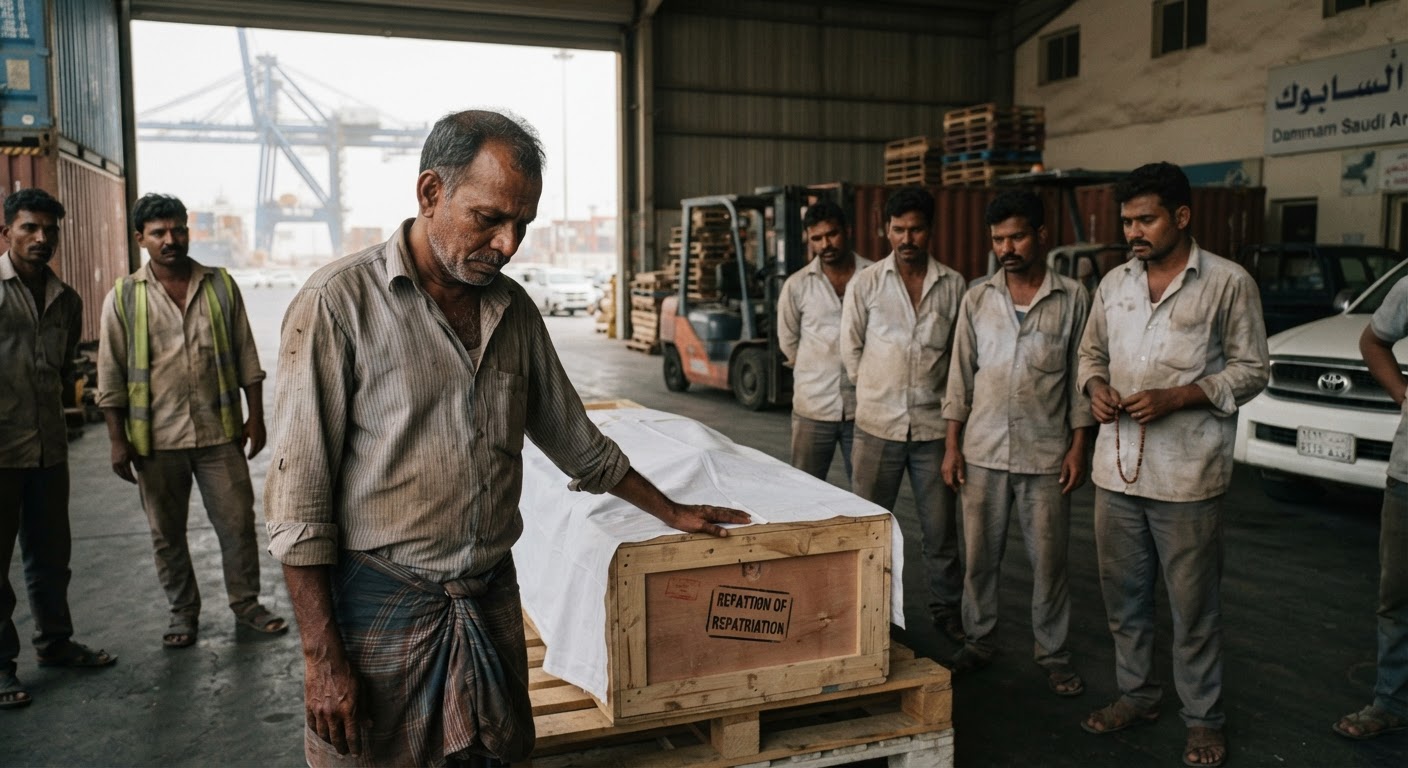
Data released by the Ministry of External Affairs reveals that more than 800 Indian workers died while employed in the Gulf between 2023 and 2025. Fifty-five percent of these fatalities occurred within the six GCC countries, averaging approximately three deaths per week.
- Saudi Arabia reported the highest death toll with 182 fatalities, followed by the UAE with 128.
- Factors contributing to these deaths include extreme heat frequently exceeding 45 degrees Celsius, inadequate safety equipment, 12-hour work shifts, unpaid wages, poor living conditions in labor camps, and a prevalence of suicides.
- Employers frequently attribute these deaths to natural causes or heart attacks to avoid compensation claims.
Qatar Gas Facility Incident
Last month, an explosion at the Ras Laffan Barzan gas facility in Qatar resulted in the deaths of 12 Indian nationals out of 13 total workers killed during a restart following wartime damage. The bodies were repatriated to Kerala, Tamil Nadu, Gujarat, Bihar, and other states. Authorities characterized the incident as a technical malfunction.
Strait of Hormuz Security Concerns
On 18 September 2026, two vessels carrying Indian crew members were attacked near the Strait of Hormuz. A Panama-flagged tanker was struck by a projectile, while a Togo-flagged product tanker was targeted by a drone off the coast of Oman. While no deaths were reported in these specific incidents, 153 Indian seafarers remain west of the Strait on various vessels. The Directorate General of Maritime Administration has subsequently prohibited new Indian deployments through the Strait of Hormuz.
Worker Support and Ongoing Risks
Approximately 10 million Indians reside in GCC nations, serving as a vital labor force for construction, healthcare, and energy sectors. While Indian missions operate support services such as helplines, labor wings, and Pravasi Bharatiya Sahayata Kendras in Dubai, Riyadh, and Jeddah, and the Saudi government has initiated reforms to the kafala system, significant risks remain. These include reports of biometric data scams in the UAE, where fake visa agents misuse worker credentials to facilitate illicit loans and travel bans. Sources for this report include Ministry of External Affairs data cited by Panchjanya and Business Standard on 17-18 September 2026, as well as official statements from the Indian Embassy in Qatar and the Consulate General of India in Dubai.