Oman and India Hold Historic Social Security Talks for Indian Expats
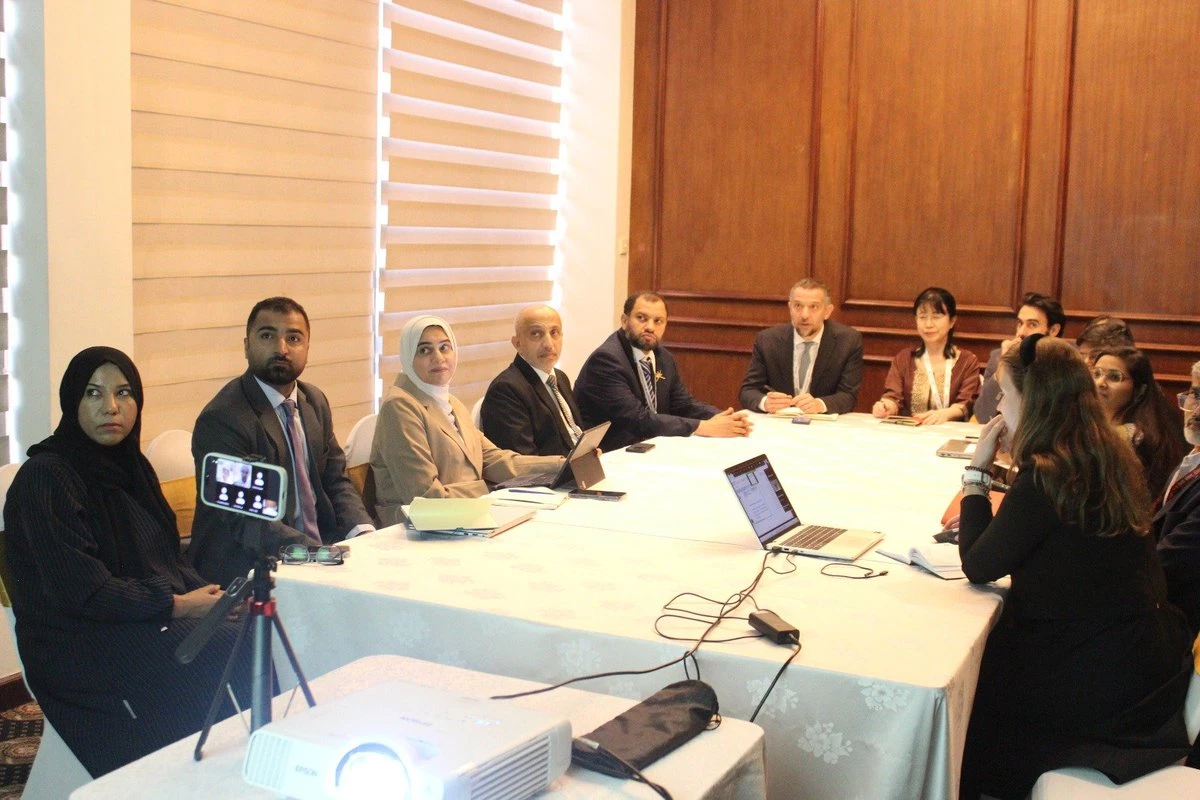
In a landmark development for social protection for Indian expats, officials from Oman and India have convened for the first time to discuss enhanced welfare and security frameworks for migrant workers. The high-level meeting, held on September 29, 2026, in Colombo, Sri Lanka, marks a significant milestone in addressing the long-term financial security of the 550,000 Indian nationals living and working in the Sultanate.
The discussions took place on the sidelines of an International Labour Organization (ILO) training workshop, specifically under the ILO STREAM initiative titled "Protecting Those Who Move: Advancing Social Protection in the South Asia–Gulf Migration Corridor."
Bridging the Pension Gap
Currently, Indian workers in the Gulf face a significant challenge regarding retirement planning. India does not yet have a formal social-security agreement (SSA) with any member of the Gulf Cooperation Council (GCC). This means that the years spent working in Omani cities like Muscat, Sohar, or Salalah do not count toward Indian pension schemes.
Under the existing system, end-of-service benefits are typically paid out as one-time lump-sum gratuities rather than being held in portable, long-term accounts that can follow a worker back to their home country. The new talks aim to establish bilateral frameworks that could allow for the "totalizing" or transferring of contributions, ensuring that years of hard work abroad contribute to a stable future.
Oman’s Expanding Social Safety Net
The Omani delegation, led by Ambassador Ahmed Al Rashidi, included key figures such as Dr. Faisal Al Farsi, CEO of the Social Protection Fund (SPF), alongside representatives from the Ministry of Labour and the Ministry of Foreign Affairs. The Indian delegation featured a Deputy Minister of External Affairs and officials from national social security funds.
Oman has already been making strides in integrating expatriates into its national welfare systems. Recent legislative changes and upcoming mandates include:
- Sick-Leave and Exceptional-Leave Insurance: Since July 20, 2026, these protections have become mandatory for expatriates working in government entities and private firms governed by the Labour Law (Sultani Decree 35/2003). Note that domestic workers are currently excluded from this specific coverage.
- Mandatory Savings Scheme (2027): A planned scheme where employers will be required to contribute 9% of a worker's basic salary toward a savings account.
- Occupational Injury Insurance (2028): A future requirement for employers to contribute 1% of an employee's gross salary toward injury insurance, with a contribution ceiling of RO 3,000.
What Indian Workers Need to Do
While the discussions regarding a formal India-Oman SSA and the portability of the 2027 savings scheme are ongoing, the Embassy of India in Muscat has confirmed the progress of