Missile Strikes Hit Saudi Arabia as UAE Bans Iranian Flights
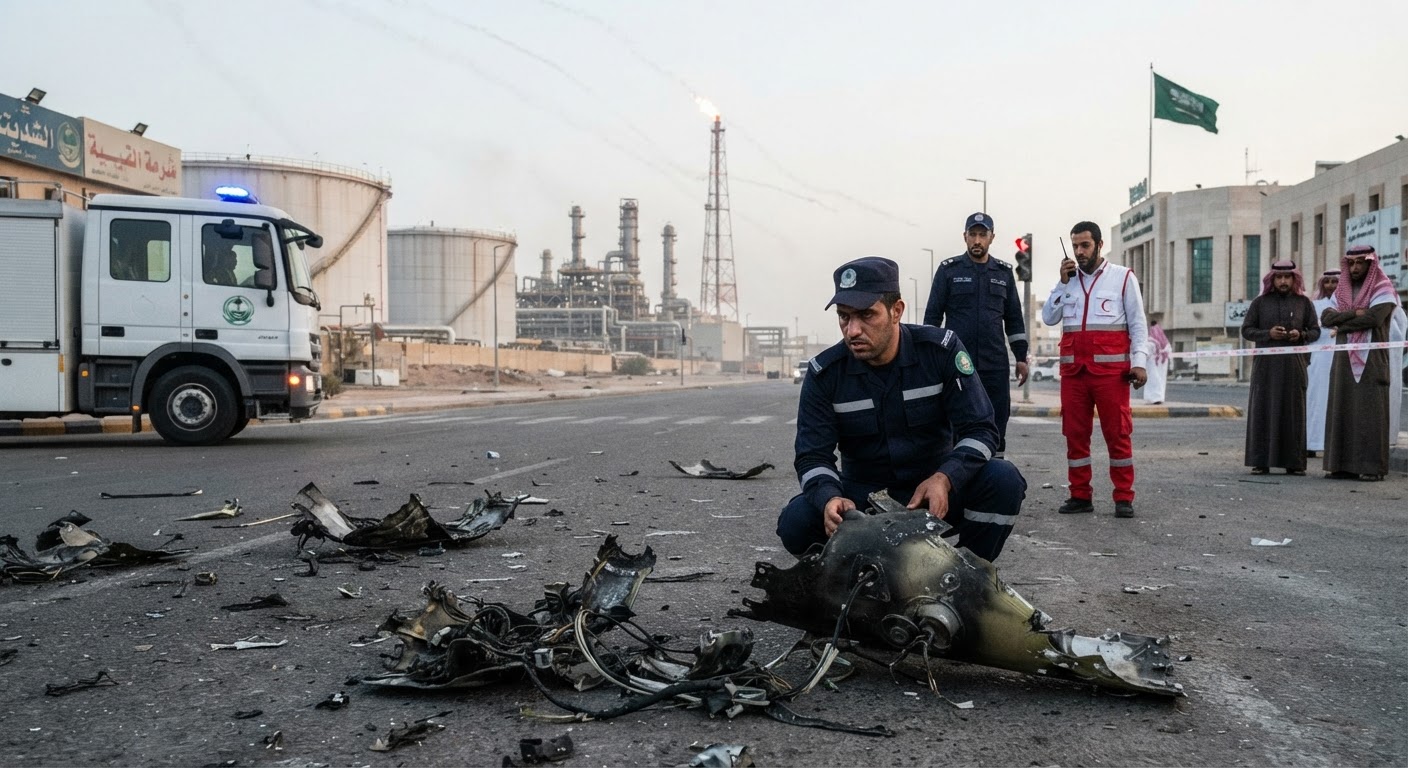
A wave of missile strikes has sent shockwaves through the Arabian Peninsula, prompting immediate and severe responses from regional powers. While Saudi Arabia worked to intercept ballistic missiles targeting vital oil hubs and holy cities, the United Arab Emirates moved to sever aviation links with Iran.
Missile Attacks Target Saudi Oil Hubs and Holy Cities
In a frantic 24-hour period, Saudi Arabian air defenses successfully intercepted six ballistic missiles launched by Iranian-backed Houthi rebels. The projectiles were aimed at Taif and the critical Red Sea oil center of Yanbu.
The threat triggered emergency sirens across several major locations, including:
- Mecca
- Jeddah
- Taif
- Yanbu
Major General Turki al-Maliki, representing the coalition, stated that all six missiles were neutralized before they could strike their intended targets. However, the Houthi spokesperson, Yahya Saree, offered a different account, claiming that their arsenal of missiles, drones, and cruise missiles successfully hit Aramco facilities in Yanbu and a sensitive location within the capital, Riyadh. Saudi authorities have not confirmed any damage or strikes within the capital.
Spiritual and Diplomatic Response
The escalation prompted a powerful spiritual response from Saudi Arabia’s Grand Mufti, Sheikh Saleh bin Fawzan Al-Fawzan. He issued a directive to frontline soldiers, framing the defense of the nation and the Two Holy Mosques as a sacred duty, even if it requires the ultimate sacrifice. The Mufti called for the total defeat of the Houthi movement and the reinstatement of the internationally recognized Yemeni government.
The international community reacted swiftly to the strikes:
- Qatar: The Foreign Ministry condemned the attacks as a violation of international law.
- GCC: Secretary-General Jasem Albudaiwi reaffirmed support for Saudi sovereignty.
- Muslim World League: Described the missile strikes as treacherous terrorist acts.
UAE Shuts Down Iranian Aviation Links
In a major shift for regional aviation, the UAE’s General Civil Aviation Authority (GCAA) has suspended all flights connecting the Emirates to Iran, effective Thursday, September 24. This decision follows the imposition of new United States sanctions, a move that effectively closes Dubai as a commercial gateway for Iranian carriers.
Regional Security and the Yemen Crisis
The security landscape is rapidly evolving under the framework of the August 2026 Makkah mutual-defence pact. In response to the recent aggression, Saudi Arabia, Turkey, and Pakistan are preparing an emergency meeting of their respective chiefs of staff. Additionally, France has extended an offer of military assistance to assist in the protection of Yanbu.
Meanwhile, the ground war in Yemen remains intense. While government-aligned forces report securing the supply road between Taiz and Aden, hundreds of combatants have been lost in clashes over the last 48 hours. The Houthis continue to hold significant territory along Yemen’s Red Sea coastline and the Bab al-Mandeb strait, a situation that continues to drive volatility in global oil markets.