Missile Strikes and Economic Peril: The Growing Crisis for Millions of Indians in the Gulf
The security landscape of the Gulf has shifted dramatically following a series of Houthi ballistic missile and drone attacks on Saturday, 19 September 2026. The strikes, which targeted Riyadh, sent plumes of smoke rising near King Khalid International Airport and triggered urgent air-raid alerts across Riyadh and Al-Kharj, leaving residents in areas like Olaya reporting the sound of heavy explosions.
Missile Strikes Target Riyadh and Vital Infrastructure
Houthi spokesman Yahya Saree claimed responsibility for the operation, stating that the strikes targeted sensitive sites within the capital and critical Aramco facilities in Yanbu. While the Saudi coalition, led by Maj. Gen. Turki al-Malki, reported that a missile aimed at the capital was successfully intercepted, other strikes were reported in Baish, Taif, Farasan, and Yanbu.
The disruption was not limited to the ground; FlightRadar24 documented significant airport disruptions during the height of the attacks. The Saudi Civil Defence issued its first major warnings since July as the region grappled with the sudden escalation.
The Human Toll on the Indian Diaspora
The instability comes at a precarious time for the massive Indian workforce in the region. With 27.48 lakh Indians in Saudi Arabia and 43.26 lakh in the UAE, the human cost of the conflict is mounting. Indian nationals have been caught in the crossfire of recent strikes in Khamis Mushait, Abha, Taif, and Jazan.
The scale of recent injuries is alarming:
- Early September: A wave of strikes resulted in 73 civilian injuries across Abha, Khamis Mushait, Jazan, and Najran.
- 14 September: Further strikes in Khamis Mushait, Abha, and Taif caused 13 injuries and damaged seven homes and two vehicles.
- Fatalities: While official parliamentary figures earlier this year noted 16 deaths and 75 injuries among Indians, the recent surge suggests a worsening trend.
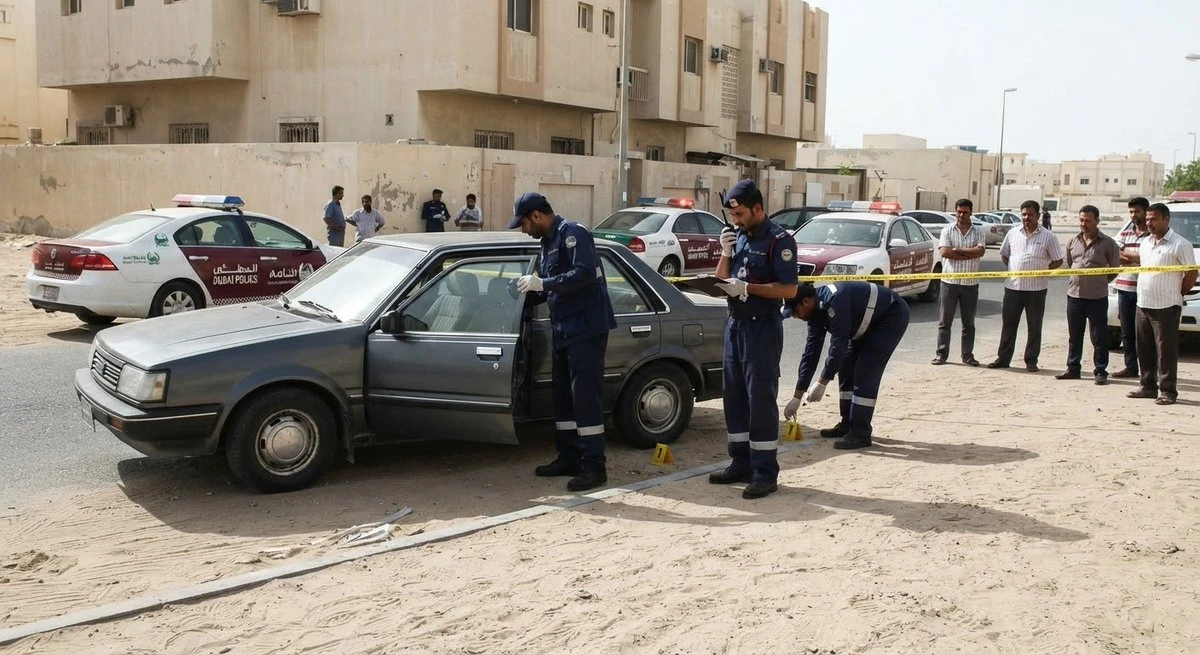
In a tragic incident on 19 September, 32-year-old T.V. Firoz, a supermarket manager from Kanhangad, Kasaragod, was found unresponsive in his car in Dubai and later pronounced dead, highlighting the reach of the regional instability.
Diplomatic Response and Emergency Support
The Indian government has reacted strongly to the volatility. Ministry of External Affairs (MEA) spokesperson Randhir Jaiswal described the escalation as "totally unacceptable." On the ground, Consul General Fahad Ahmed Khan Suri visited injured Indian nationals at Dr. Soliman Fakeeh Hospital in Jeddah to monitor their welfare.
At the highest levels, External Affairs Minister S. Jaishankar has engaged in discussions with Saudi Foreign Minister Prince Faisal bin Farhan to navigate the crisis. Meanwhile, the plight of individuals like Indramani Nautiyal—a truck driver from Uttarakhand facing a massive Rs 2.29 crore fine in Saudi Arabia—has prompted Uttarakhand CM Pushkar Singh Dhami to appeal directly to the MEA.
Emergency Helplines for Indian Nationals
The Consulate General of India in Dubai has released the following contact details for assistance:
- Emergency Helpline: +971 50 734 7676
- Death Registration (Dubai): [email protected]
- Pravasi Bharatiya Sahayata Kendra: 800 46342
A Triple Threat: Conflict, Legal Battles, and Retirement Fears
Beyond the immediate threat of missile strikes, a recent ILO STREAM study (released 20–21 September) has exposed a deeper, structural crisis facing migrant workers in the GCC. The study highlights a "triple challenge" that leaves the Indian workforce uniquely vulnerable: military conflict, administrative wage-trap detentions, and a lack of retirement security.
The financial insecurity of ageing migrants is particularly acute. In the UAE and other GCC nations, many workers are forced to continue laboring well into their senior years because of a lack of adequate pension schemes. The study notes that in Qatar, nearly half of those aged 75 and above are non-nationals, many of whom remain in the workforce out of sheer economic necessity.
As the region remains on edge, the combination of physical danger and long-term financial instability creates an increasingly complex environment for the millions of Indians who call the Gulf home.