Missile Strikes Hit Aden and Riyadh Airports, Disrupting Flights
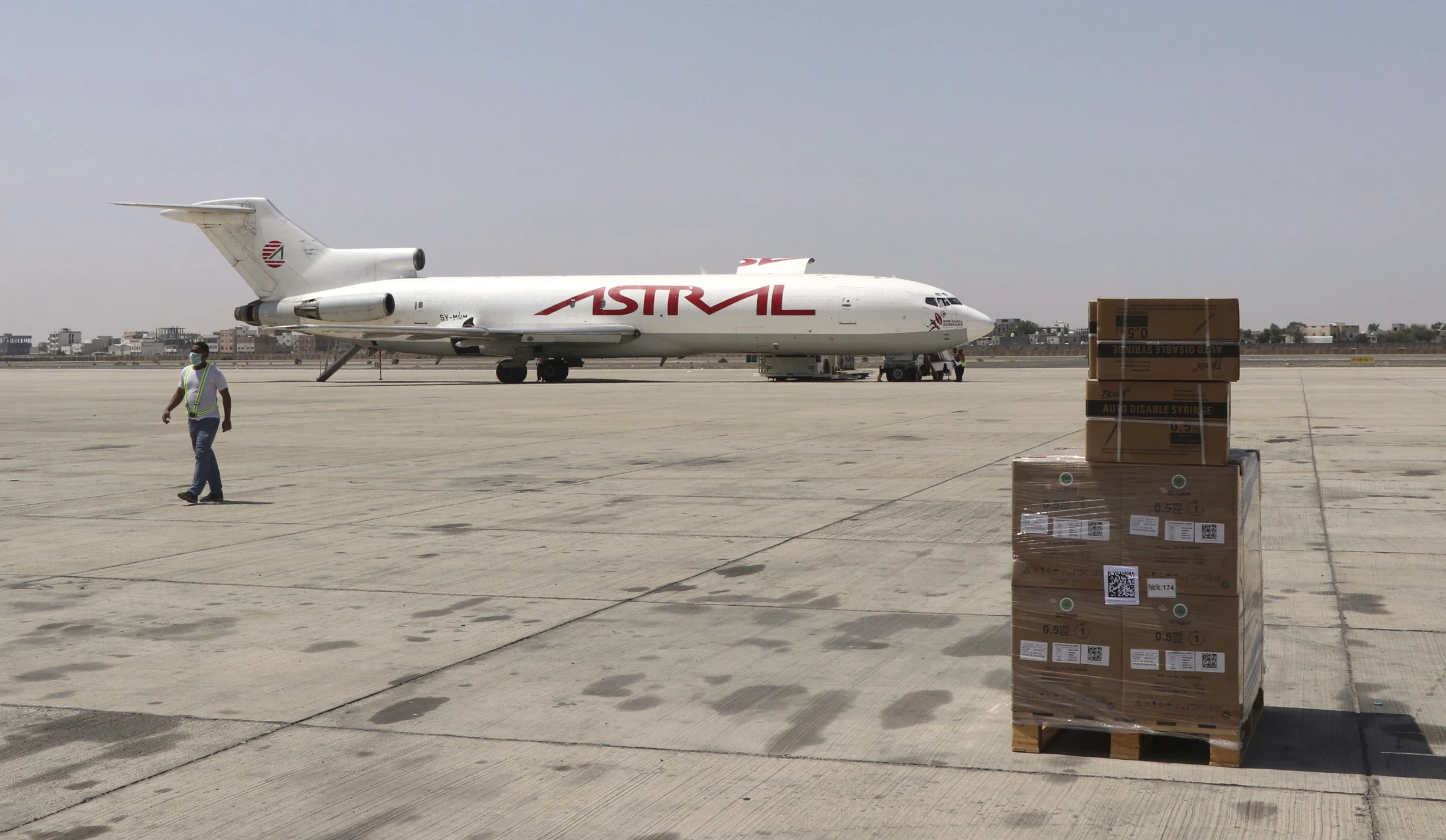
A wave of ballistic missile attacks and drone strikes targeted key aviation hubs in Yemen and Saudi Arabia on Wednesday, triggering immediate flight diversions and heightening regional security concerns.
Chaos at Aden International Airport
Terror struck Aden International Airport on October 7, 2026, when a civilian jet arriving from Cairo was just minutes away from landing. As the aircraft approached the runway, ballistic missiles struck the immediate vicinity, forcing an emergency response.
Yemen's Ministry of Transport acted swiftly to ensure passenger safety, ordering the flight to divert to Jeddah. The ministry also ordered a full evacuation of the airport terminal and relocated two aircraft to secure locations. According to reports, the attack was carried out by Iran-aligned Houthi forces using at least two ballistic missiles and several explosive-laden drones. Fortunately, no casualties were reported during the incident.
Air Defenses Intercept Missiles Over Riyadh
The instability spread to Saudi Arabia, where air defense systems intercepted a ballistic missile north of Riyadh. While the Saudi-led coalition confirmed they are actively tracking the launch platform, the situation remains tense regarding the impact on civilian infrastructure.
Houthi military spokesman Brigadier General Yahya Saree claimed the strike on Riyadh was accurate and successfully disrupted air traffic. However, Saudi authorities have not confirmed whether any direct hit occurred at the King Khalid Airport terminal. Additional Houthi claims suggest drone and missile strikes were also directed at:
- Abha International Airport
- King Khalid Air Base in Khamis Mushait
- Military camps in Jizan and Asir
Escalating Conflict and "Operation Dawn of Yemen"
These strikes come in the wake of "Operation Dawn of Yemen," a massive military offensive launched on Monday. The operation involved approximately 100 coalition fighter jets targeting 324 different sites in an attempt to reclaim the Red Sea coast.
The fighting has become increasingly lethal, with government forces claiming to have retaken Dhubab and Mocha. Combat near the strategic Bab al-Mandeb strait has intensified, with reports suggesting that more than 270 personnel were killed in a single day of intense fighting.
Regional Economic and Aviation Impact
The ongoing conflict is creating significant ripple effects across the Middle East, particularly regarding travel and energy costs:
- Aviation Disruptions: Several major carriers have suspended flights, with restrictions expected to extend through October 24.
- Fuel Costs: Increased regional instability has led to reported rises in fuel costs within the UAE.
- Oil Markets: Global oil prices have climbed to approximately $101.50 per barrel.
- Maritime Risks: Shipping remains under threat near the Strait of Hormuz, following reports of projectile strikes on tankers between October 2 and 5.
Amidst the violence, diplomatic efforts continue, with Saudi Arabia, Pakistan, and Turkey recently agreeing to operationalize a joint defense framework to bolster regional stability.