Missile Storm Hits Saudi Cities: UN Condemns Houthi Attacks on Civilians and Energy
A massive, coordinated volley of ballistic missiles and drones launched by Yemen’s Iran-backed Houthi rebels struck multiple Saudi Arabian cities on Thursday, triggering widespread panic and air-raid sirens. The assault targeted several key locations, including Taif, Yanbu, Jeddah, Tabuk, and the holy city of Makkah, marking a significant escalation in regional hostilities.
A Coordinated Strike Across the Kingdom
As the barrage commenced, Saudi air defense systems were activated to intercept the incoming threats. Reports confirmed that six missiles were intercepted over Taif and the vital Red Sea oil port of Yanbu. Despite the interceptions, the Houthis claimed they successfully struck a sensitive target within Riyadh and hit Aramco facilities. Furthermore, the rebels announced a separate, heavy barrage consisting of dozens of missiles and drones aimed at Jazan.
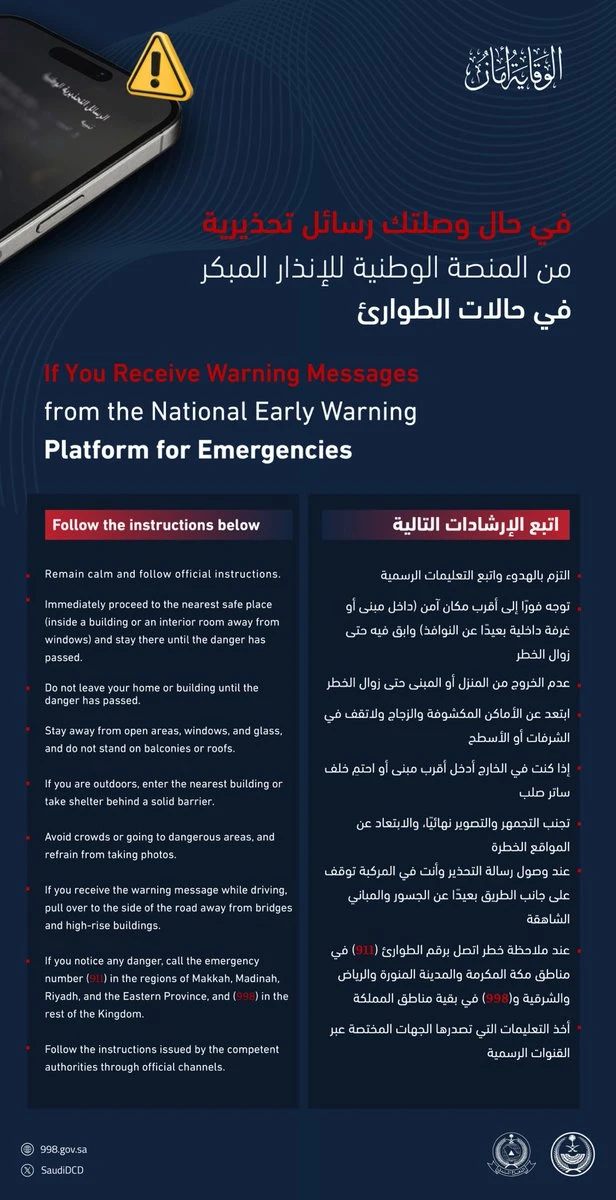
In response to the immediate threat, the Saudi Civil Defense activated its national early-warning platform. Residents were issued urgent instructions to:
- Remain indoors immediately.
- Stay away from windows and balconies.
- Avoid public gatherings or filming the affected areas.
While authorities later declared that the immediate danger had passed, no official figures have been released regarding casualties or specific damage to infrastructure.
International Outcry and Humanitarian Concerns
The United Nations Security Council issued a rare and unified condemnation of the attacks on Friday. The Council highlighted the devastating nature of the strikes, noting that they specifically targeted civilian and energy infrastructure.
The attacks caused injuries to civilians, including women and children.
France, currently holding the Council presidency, took a firm stance, affirming Saudi Arabia’s inherent right to self-defense and demanding an immediate end to the Houthi military escalation. The humanitarian toll of the broader conflict was also brought to light, with the Council noting that at least 125,000 Yemenis have been displaced since early September.
Regional Escalation and Economic Shockwaves
The geopolitical landscape is shifting rapidly as regional powers respond to the Houthi seizure of Yemen’s Red Sea coast and Perim Island. While Iran has publicly distanced itself from these actions, the timing and specialized equipment used have drawn intense scrutiny, especially following reports that Iranian advisers were present during recent Houthi operations.
In a move to bolster regional security, the chiefs of staff from Saudi Arabia, Turkey, and Pakistan are convening an urgent meeting under the Makkah Joint Defence Agreement. International support is also mobilizing:
- Britain has offered aerial-refueling support.
- France has expressed its intent to deploy forces to secure critical oil routes in the Red Sea.
The instability is already being felt in global markets and regional travel. The conflict has contributed to a 4 percent rise in oil prices and has forced the suspension of flights for Iranian airlines into the UAE. Additionally, maritime operators are facing increased insurance premiums for vessels navigating the Red Sea and the Strait of Hormuz.