Kuwaiti Banks Make Loan Rules Strict For Expats Due To Job Safety Fears
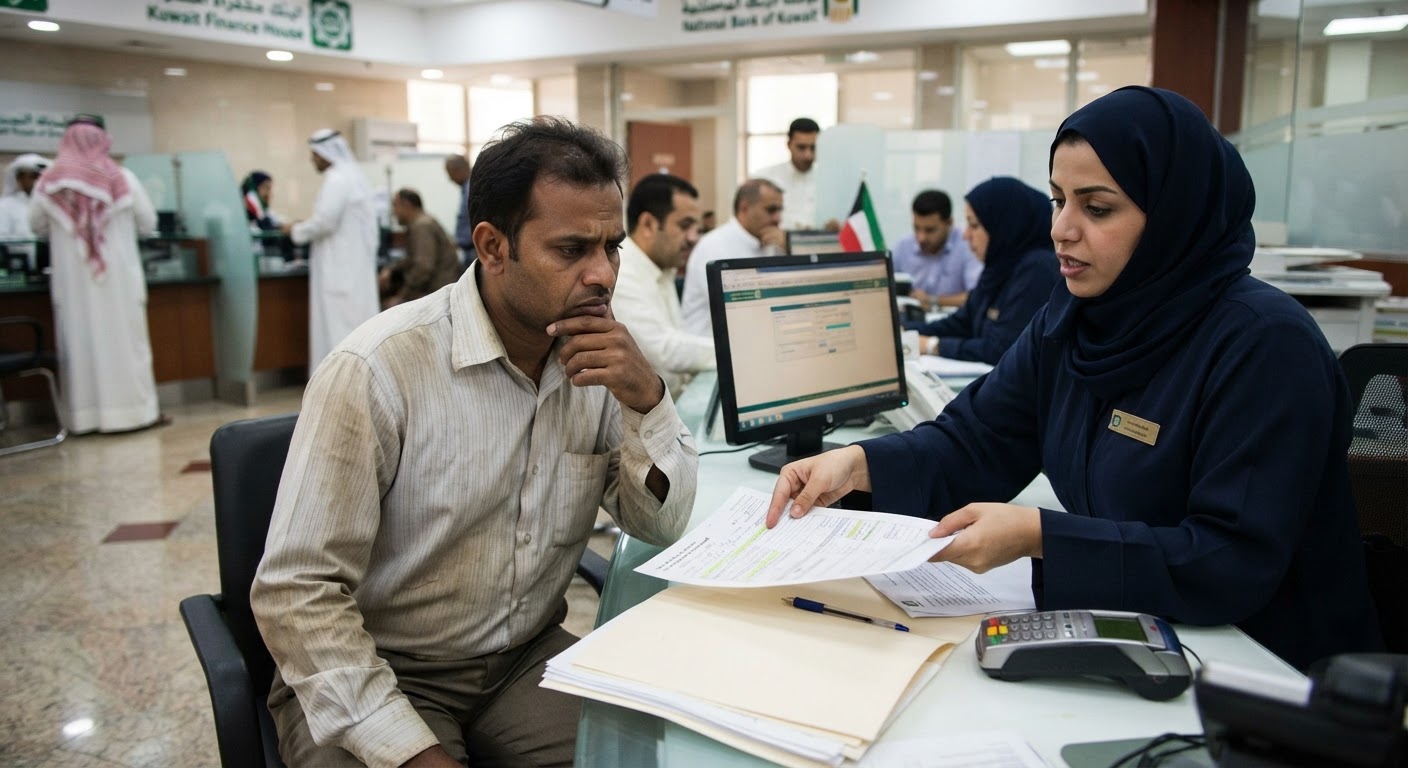
Kuwaiti banks are implementing stricter lending criteria for expatriate employees, driven by ongoing Kuwaitization efforts and concerns over job security. Financial institutions are now intensifying their assessment of applicants' employment stability, income, credit history, company financial health, and the employer's overall stability. A significant change includes the creation of a grey list targeting professions susceptible to layoffs or Kuwaitization, making loan acquisition increasingly difficult for those in these roles.
- Minimum monthly salary threshold set between 400 and 600 Kuwaiti dinars by some banks
- Preference given to applicants with at least 10 years of service and strong credit records
- Certain professions like doctors, engineers, and tech workers remain prioritized
Key Loan Requirements and Adjustments
Preference is granted to applicants with at least 10 years of service, strong credit records, and employment at established companies, as their end-of-service benefits are considered superior. Conversely, doctors, engineers, healthcare professionals, technicians, and those in AI or technology sectors remain prioritized due to lower localization risks in these fields. New employees, those with lower qualifications, or individuals with limited educational backgrounds may face more stringent conditions or be required to provide a Kuwaiti guarantor.
Loan Limits and Impact on Workers
Under current regulations, qualified Kuwaiti or expatriate borrowers are eligible for combined consumer and housing loans of up to 95,000 dinars, provided the loan installment does not exceed 40% of their income and they meet all bank-specific terms. These shifts are particularly impactful for the Indian expatriate community in Kuwait, which represents a large portion of the workforce. Banks are actively working to mitigate the risk that an expatriate borrower's employment might be terminated during the loan repayment period. Reports on these banking developments emerged between September 15 and 16, 2026, citing the Times Kuwait, Gulf News, and Arab Times.