Kuwait Cuts Power to Bachelor Residences in Doha and Sulaibikhat
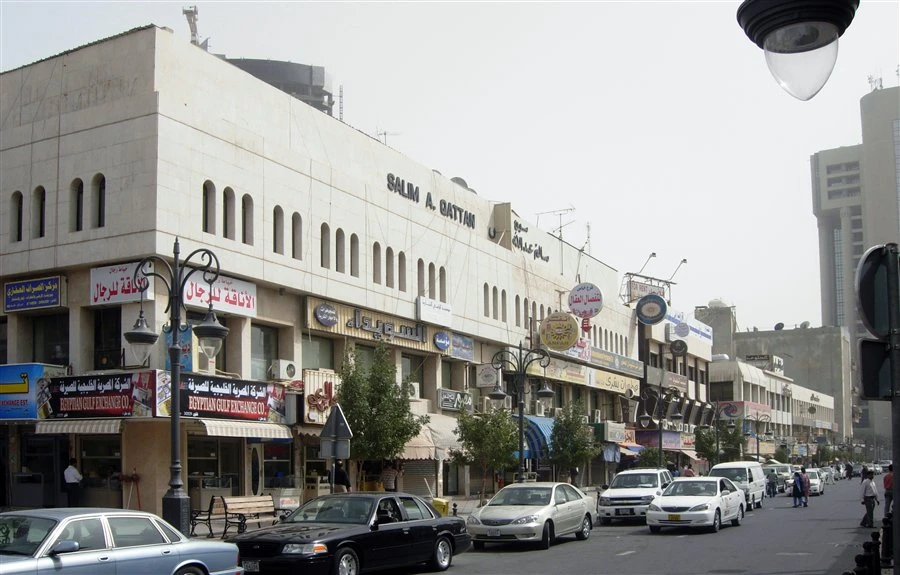
In a decisive move to enforce residential zoning regulations, Kuwait Municipality officials disconnected the electricity supply to four properties in the Doha and Sulaibikhat areas on Wednesday, October 7, 2026.
The inspection campaign, conducted within the Capital Governorate, specifically targeted housing units occupied by single male laborers located in designated residential zones.
Strict Enforcement Against Unauthorized Housing
The operation was not an isolated incident but part of an ongoing effort to curb the use of private residential areas for non-family housing. During the crackdown, municipal teams issued nine warnings and recorded two new violations.
Ghanem Al-Shammari, head of the Capital Governorate’s municipal inspection team, confirmed that the properties affected by the power disconnection had previously been warned. Despite these prior notices regarding the unauthorized presence of single men in residential neighborhoods, the occupants failed to comply with the law.
Al-Shammari emphasized that authorities will continue to execute strict enforcement actions in both Doha and Sulaibikhat should these violations persist.
Inter-Ministerial Cooperation
The successful execution of the campaign relied on significant coordination between various government bodies. The Municipality acknowledged the support of:
- The Ministry of Interior: Which provided essential security presence at the sites during the inspections.
- The Ministry of Electricity, Water, and Renewable Energy: Which facilitated the immediate disconnection of power to the non-compliant properties.
The Legal Framework and Expat Impact
The crackdown is rooted in Law No. 125 of 1992, which strictly prohibits non-family housing in private and model residential areas. Since August 2026, the Municipality has intensified its field presence across all governorates, deploying teams to issue fines, warnings, and cut off utilities to ensure compliance.
This enforcement hits a sensitive demographic. In Kuwait, thousands of single laborers—many hailing from India, Pakistan, Bangladesh, Nepal, and the Philippines—reside in shared flats or small houses within private neighborhoods. This is often a necessity driven by the high costs associated with official company and labor camps.
Immediate Consequences of Disconnection
The decision to cut electricity has an immediate and severe impact on the living conditions of the occupants. Without power, essential services become unavailable, including:
- Air conditioning (critical in the regional climate)
- Refrigeration for food storage
- Water access via electric pumps
As a result of these lost utilities, occupants are effectively forced to relocate from the residential zones immediately.