Kuwait Cuts Power in Bachelor Housing Crackdown
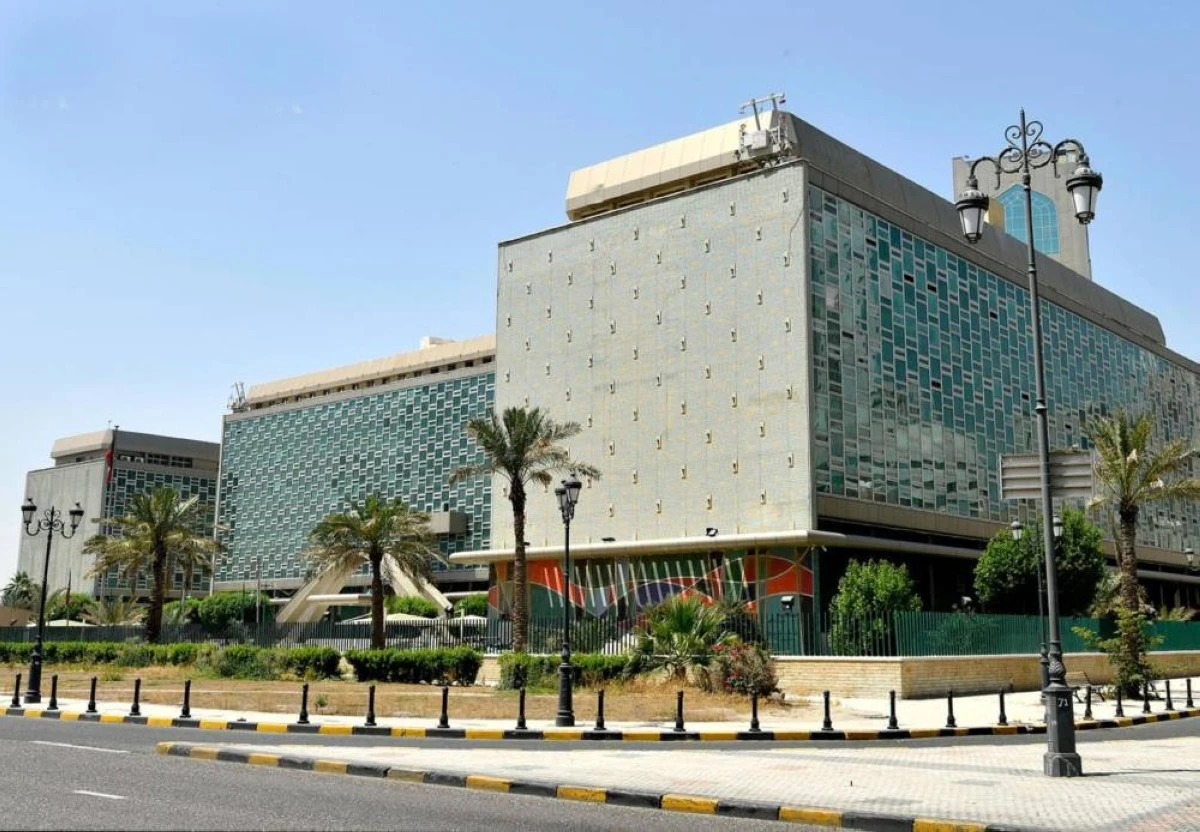
The Kuwait Municipality has intensified its Kuwait bachelor housing crackdown by disconnecting electricity to four properties in the Capital Governorate. The enforcement action, carried out on October 7, 2026, targeted buildings used for single male expatriate accommodation, which is strictly prohibited in designated residential zones.
Strict Enforcement in Residential Zones
The crackdown specifically focused on properties where single male expatriates were residing in violation of local regulations. These private and model residential areas are legally reserved for families, making non-family or single-occupancy housing a direct breach of the law. Authorities noted that the targeted properties had previously been issued official warnings, but because no remedial action was taken to comply with the rules, the municipality proceeded with the utility disconnection.
Ghanem Al-Shammari, head of the Capital Governorate inspection team, reported that the operation was part of a wider sweep. During the inspections in the Doha and Sulaibikhat areas, the team issued two citations and nine warnings to other violators.
"Further violations will result in additional legal measures," Al-Shammari warned.
Severe Penalties for Violators
The municipality's actions are strictly governed by Kuwait Law Number 125 of 1992. This law mandates that residential zones remain family-oriented and restricts the use of such properties for bachelor housing. To ensure compliance, the law provides authorities with several enforcement tools, including:
- Heavy Fines: Violators face financial penalties ranging from 1,000 to 10,000 Kuwaiti Dinars.
- Utility Disconnection: The cutting of electricity serves as a primary method to force compliance.
- Legal Action: Continued non-compliance can lead to further judicial measures.
Impact on Expats and Property Owners
This enforcement move has immediate and significant consequences for both residents and landlords. Many single male laborers share residential properties to split rising rental costs, a practice that is now being heavily policed. The sudden loss of power forces these expatriates to find immediate relocation, while property owners face the risk of substantial financial penalties for allowing unauthorized occupancy.