15 Workers Arrested and Facing Deportation in Kuwait Raid
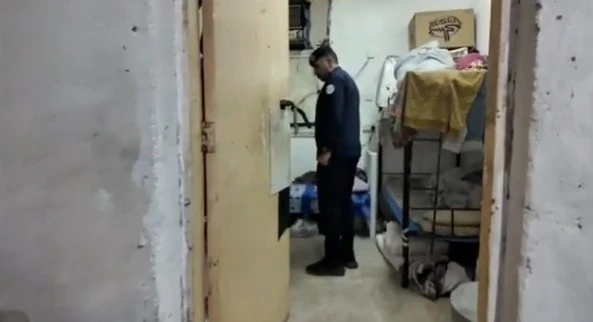
A major crackdown on illegal commercial activities in the Farwaniya Governorate has resulted in the arrest of 15 workers, all of whom now face formal deportation proceedings.
The operation, conducted by the Kuwait Ministry of Interior in collaboration with the Committee for Negative Phenomena, targeted individuals using private residential properties to run unauthorized businesses.
Violations of Residency Laws
Authorities revealed that the arrested individuals were in violation of Article 20 of the residency regulations. This law prohibits conducting commercial activities within private homes intended strictly for residential use.
During the sweep, officials successfully shut down several illegal establishments, including:
- Four grocery shops (baqala)
- One tailoring shop
In addition to the commercial closures, the inspection teams identified multiple sites being used as unauthorized bachelor housing (sakan lil-uzzab).
Health Risks and Seized Goods
The raid uncovered significant public health concerns. Officials seized various items that posed a threat to consumers, most notably:
- Expired frozen meat
- Unfit fish
- Quantities of tobacco (tinbak)
The Public Authority for Food and Nutrition (PAFN) took immediate action by issuing violation reports and overseeing the destruction of the unfit food items to ensure they did not reach the public.
Coordinated Government Response
The crackdown involved a multi-agency effort to ensure all legal and safety protocols were enforced:
- Kuwait Municipality: Registered various violations and issued formal warnings to the property owners and operators.
- Ministry of Electricity, Water and Renewable Energy: Disconnected power supplies at the identified illegal sites to prevent further unauthorized use.
- Ministry of Interior: Initiated formal deportation (ib'ad) procedures against the 15 workers involved.
While the Ministry confirmed that specific blocks within Farwaniya were the primary targets, they have not yet released the nationalities of the workers or the specific fine amounts associated with the violations.