IRGC Threatens New War Targets and Weapons Amid Tanker Attacks
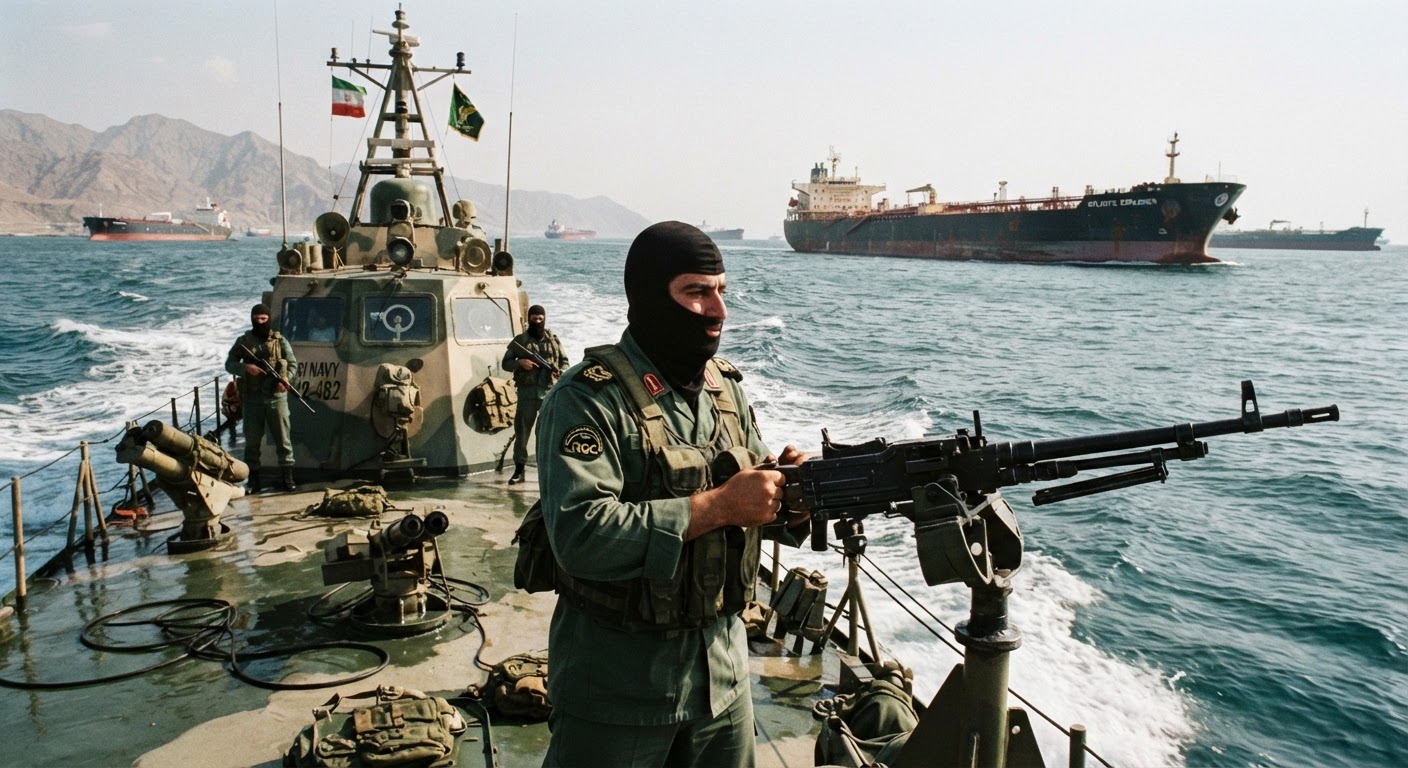
The Islamic Revolutionary Guard Corps (IRGC) has issued a stark warning, signaling a potential shift in the "geography of war" should the United States intervene in ongoing regional tensions. This escalation comes on the heels of two recent maritime incidents in the critical Strait of Hormuz corridor.
Maritime Incidents in the Strait
The tension in the vital oil transit route intensified following two separate attacks on commercial vessels:
- An inbound tanker was struck by an unknown projectile, resulting in injuries to two crew members.
- A second LPG carrier was hit by flying debris.
While both vessels managed to remain operational and no oil spills were reported, the incidents have heightened fears regarding the safety of global energy supplies in this contested corridor.
A Shift in Military Strategy and Targets
IRGC spokesman Hossein Mohebbi indicated that the group is prepared for a protracted conflict. He warned that future combat would not be limited to current battlegrounds but would involve new weaponry and previously untouched strategic locations.
According to the IRGC, potential targets for future operations include:
- Energy terminals and major ports.
- Air bases hosting U.S. military assets.
- Strategic locations across Abu Dhabi, Muscat, Bahrain, Qatar, the UAE, Kuwait, and Jordan.
Geopolitical Escalation and Proxy Conflicts
The current volatility traces back to U.S. and Israeli strikes on February 28, 2026, which effectively dismantled previous ceasefire agreements and memorandums of understanding. As Iran challenges U.S.-led efforts to prevent blockades, the region faces a complex web of proxy warfare.
In Yemen, Houthi forces—reportedly aided by IRGC personnel—are making advances in Taiz and Lahij to secure control over the Bab el-Mandeb strait. Meanwhile, Saudi Arabia finds itself navigating a two-front proxy war and is working to reroute crude oil following damage to its East-West pipeline. While U.S. President Donald Trump reportedly canceled planned strikes on Houthi forces following a Saudi appeal, the United Kingdom has provided aerial refueling support to Saudi jets.
Diplomatic and Economic Fallout
The regional response to the escalating instability has been swift:
- The UAE has frozen all trade and financial dealings with Iran.
- Saudi Arabia has issued a formal condemnation of the recent attacks.
- Qatar and Oman are pursuing diplomatic channels, with Oman serving as a mediator ahead of President Masoud Pezeshkian's attendance at the UN General Assembly.
For the massive expatriate workforce powering the region's shipping and logistics sectors—including workers from India, the Philippines, Pakistan, and Bangladesh—the instability has translated into significant travel disruptions and growing economic anxiety. Global markets continue to monitor the waterway closely as the IRGC claims it now dictates the regional order.