US-Iran Strait of Hormuz Deal Hits Deadlock Over Sequencing
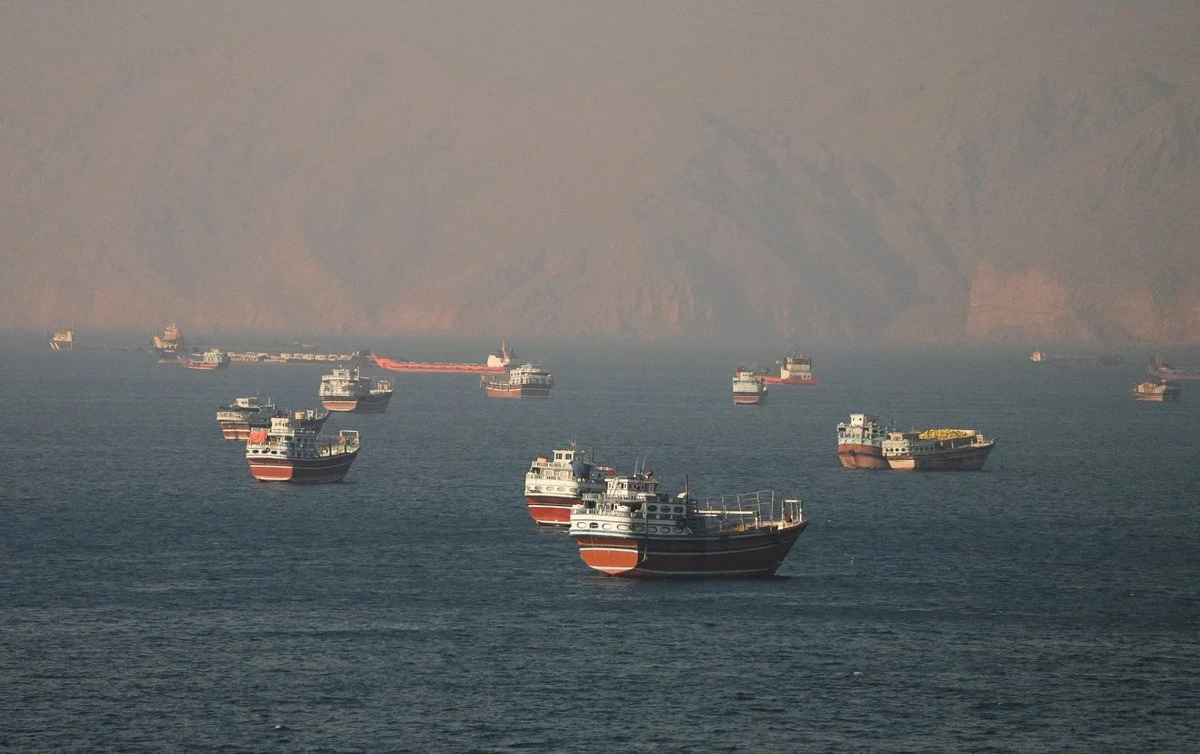
Iran has officially received the United States' response to its proposal for reopening the Strait of Hormuz deal, according to Qatari mediators. Iranian Foreign Minister Abbas Araghchi presented the official document to President Masoud Pezeshkian’s cabinet in Tehran on Wednesday, marking a significant step in the ongoing diplomatic efforts to stabilize the region.
The Sequencing Impasse
While both nations have reached a consensus on the fundamental components of a potential agreement, a major diplomatic hurdle has emerged regarding the implementation order. The agreed-upon elements include:
- Lifting the U.S. naval blockade on Iranian ports.
- Resuming limited oil exports.
- Addressing nuclear commitments.
- Facilitating the movement of tankers through the Strait of Hormuz.
Despite this agreement on the "what," the "when" remains a point of intense contention. Tehran insists that the naval blockade must be lifted before it restores full operations in the strait. Conversely, Washington is demanding that Iranian nuclear and shipping concessions be implemented first. This deadlock over the sequence of execution has brought the negotiations to a critical standstill.
Global Oil and Regional Impact
The stakes for this negotiation could not be higher. The Strait of Hormuz is a vital artery for the global economy, accounting for one-fifth of all seaborne oil trade. Seven months of regional conflict have already severely disrupted exports, forcing crude shipments from Saudi Arabia, the UAE, Iraq, and Kuwait into costly transfers off the coast of Oman or through heavily escorted corridors.
Data from Kpler indicates that September Gulf exports reached approximately 16 million barrels per day, a level that remains significantly below pre-war figures. This reduction leaves the global market highly susceptible to further military escalation. Furthermore, commercial shipping data from October 1 shows a sharp decline in activity, with only a limited number of vessels passing through the strait compared to the historical average of over 80 ships per day.
Rising Tensions Across the Gulf
As diplomatic efforts continue, regional security remains extremely tense. The UAE has been actively engaging Iranian missiles, while nations including Bahrain and Kuwait have reported the sounding of emergency sirens. In Saudi Arabia, cities such as Riyadh and Khamis Mushait have also been targeted by Houthi projectiles.
Reflecting the gravity of the security situation, Saudi Crown Prince Mohammed bin Salman met with UAE Vice President Sheikh Mansour bin Zayed in Riyadh on Tuesday. The meeting focused heavily on national security and the growing Iran-Houthi threat. Meanwhile, Oman and Qatar continue to serve as the primary brokers in these high-stakes negotiations.
The next 72 hours are being viewed as a critical window. The international community is watching closely to see whether a compromise on the sequencing of actions can be achieved or if the regional conflict will escalate further.