Iran Issues Seven-Day Ultimatum to Reopen Strait of Hormuz
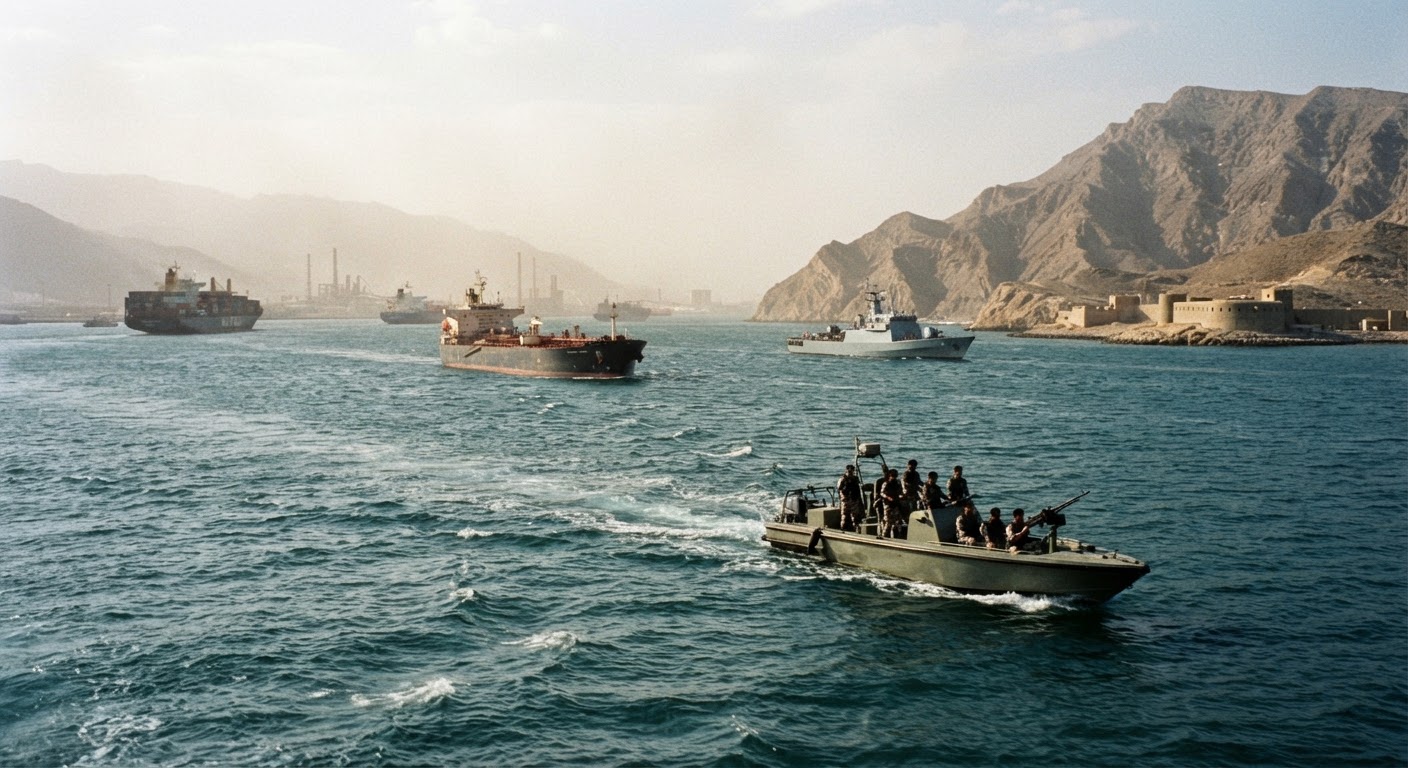
In a high-stakes move that has sent ripples of uncertainty through global energy markets, Iranian Foreign Minister Abbas Araghchi has delivered a seven-day ultimatum at the United Nations. The proposal outlines a specific set of conditions required to reopen the vital Strait of Hormuz and resume nuclear negotiations.
The Demands: A Roadmap to De-escalation
The ultimatum, which has been conveyed to the White House through Qatari mediation, demands a significant shift in regional and international policy. If the following conditions are met, Iran has stated the Strait will reopen and nuclear talks will resume on the seventh day:
- Cessation of Hostilities: A total halt to fighting across the Middle East, including the conflict in Lebanon.
- End of Naval Blockades: The lifting of the U.S. naval blockade currently impacting Iranian ports.
- Sanction Waivers: The removal of existing oil sanctions.
- Asset Release: The release of at least $12 billion in frozen Iranian assets.
To facilitate these negotiations, Qatari Prime Minister and Foreign Minister Sheikh Mohammed bin Abdulrahman Al Thani met with Iranian President Masoud Pezeshkian in New York to act as a mediator.
Rising Military Tensions and Missile Strikes
The diplomatic push comes as regional violence continues to escalate. The Saudi-led coalition has reported several recent interceptions of projectiles aimed at key locations:
- Riyadh and Khamis Mushait: Two Houthi ballistic missiles and two drones were intercepted targeting these areas.
- Taif and Yanbu: Six ballistic missiles were intercepted on Thursday, targeting these regions and the Red Sea oil hub.
Adding to the volatility, Houthi forces have claimed to have successfully struck sensitive targets within the Saudi capital and Aramco facilities. This surge in activity led Riyadh to briefly issue emergency alerts for Makkah.
Economic Disruption and Regional Anxiety
The instability is already causing a massive contraction in maritime commerce. Before February 28, approximately 125 large ships passed through the Strait of Hormuz daily. In recent days, that number has plummeted to single digits.
The humanitarian and economic implications are mounting for those living in the Gulf. Qatar's Emir, Sheikh Tamim, addressed the United Nations with a stark warning regarding the current climate.
"The region is in one of its most dangerous phases," the Emir stated, citing a critical lack of regional collective security.
Impact on Expat Communities
The ongoing crisis is directly affecting the daily lives of expat communities across the Gulf. The uncertainty has triggered several immediate concerns, including:
- Travel Instability: Increased instances of flight suspensions.
- Rising Costs: Growing anxiety over the escalating price of food and medicine.
- Energy Volatility: Concerns regarding the stability and cost of energy.
As the seven-day deadline approaches, Washington has yet to issue a public response to the ultimatum.