IRGC Claims US Drone Seizure in Hormuz; Washington Denies
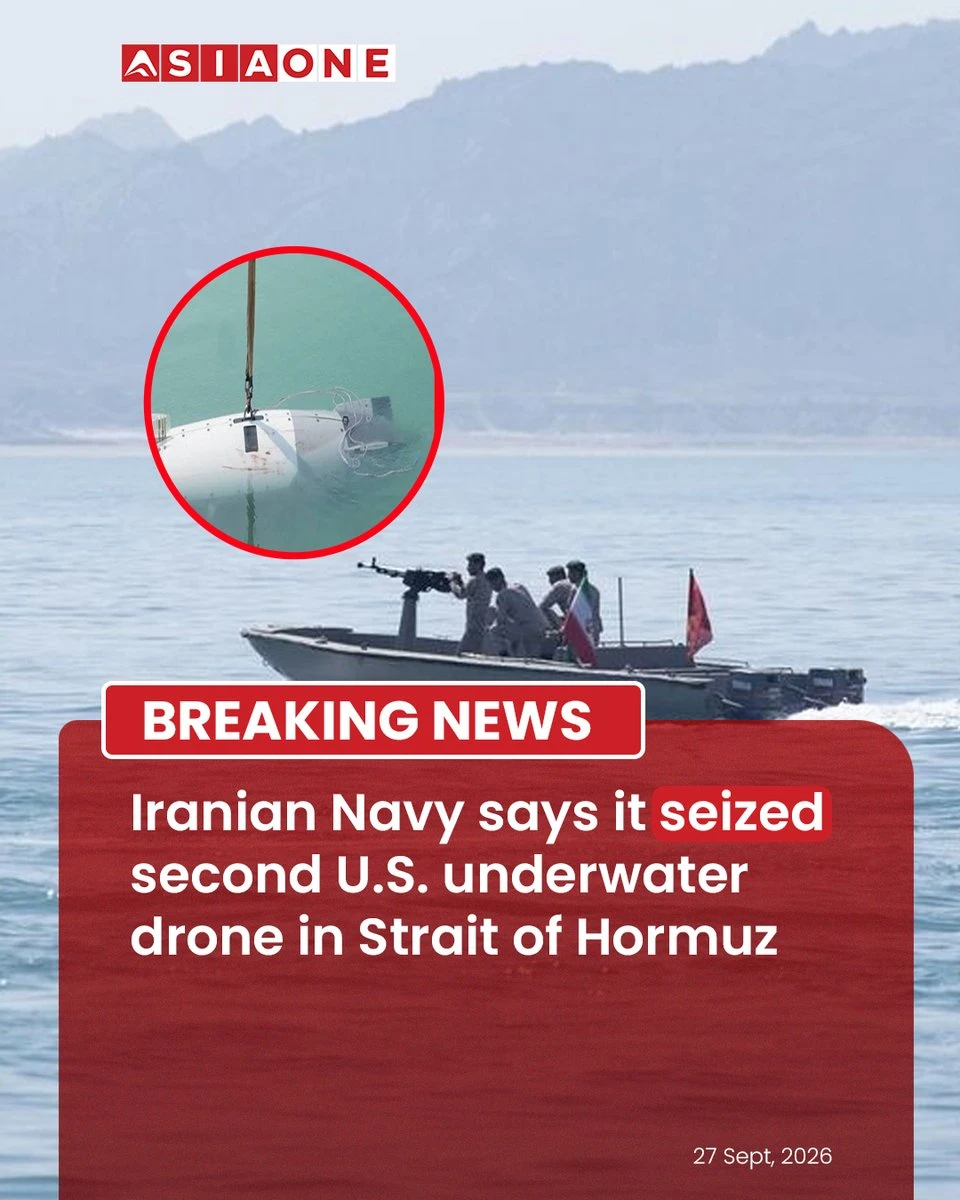
The Iranian Revolutionary Guard (IRGC) has announced the interception of a sophisticated American unmanned underwater vehicle (UUV) in the Strait of Hormuz, sparking a fresh diplomatic and military standoff. While Tehran claims to have captured high-value technology, the United States has swiftly dismissed the allegations as a desperate attempt to gain leverage.
The Iranian Allegation
According to the IRGC, the intercepted craft was initially identified as a REMUS 600 before being more specifically designated as a Mk 18 Mod 2 Kingfish. In a statement released via X, IRGC spokesman Hossein Mohebbi described the device as an advanced autonomous system equipped with precision navigation and sonar, estimating its value at "several million dollars."
The IRGC further asserted that specialists are currently in the process of extracting critical data from the device. This announcement comes alongside claims from Iranian state media that the Strait of Hormuz is officially closed to any unauthorized passage. The IRGC has gone as far as to label the strategic waterway a "hunting ground" for American sub-surface systems.
US Dismisses Claims as "Desperate"
The U.S. Central Command (CENTCOM) was quick to refute the Iranian claims. Speaking to Al Jazeera, CENTCOM spokesman Capt. Tim Hawkins characterized the assertion as "clearly desperate," confirming that all operational American drones are currently accounted for and that no equipment is missing.
This latest dispute follows a previous incident on 8 September involving an Anduril Dive-LD. Regarding that specific event, the Pentagon clarified that the craft was a malfunctioning survey drone that carried no classified sensors, distinguishing it from the high-tech military hardware claimed by Tehran this week.
Regional Security Under Pressure
The tension in the Strait of Hormuz occurs against the backdrop of a seven-month conflict that has significantly destabilised regional security. The waterway remains a vital energy corridor for several Gulf nations, including the UAE, Saudi Arabia, Qatar, Bahrain, and Oman. The impact of the ongoing friction has been felt across the region:
- Air Defences: UAE air defences have remained active due to regional instability.
- Air Raid Sirens: Bahrain has experienced repeated air raid sirens.
- Interceptions: Qatar has successfully intercepted incoming fire.
- Missile Activity: Missile activity has been noted near Dubai, Manama, Doha, and Musandam in Oman.
The conflict has also had human consequences, with expat communities from India, Pakistan, the Philippines, Bangladesh, and Egypt reportedly affected by interception debris. Meanwhile, Saudi Arabia continues to manage Houthi escalations while ensuring oil transit remains functional through Yanbu.
Fragile Diplomatic Prospects
Despite the heightened military rhetoric, there are signs of potential diplomatic movement. President Donald Trump