Six Indian Seafarers Dead Amid Gulf Maritime Crisis
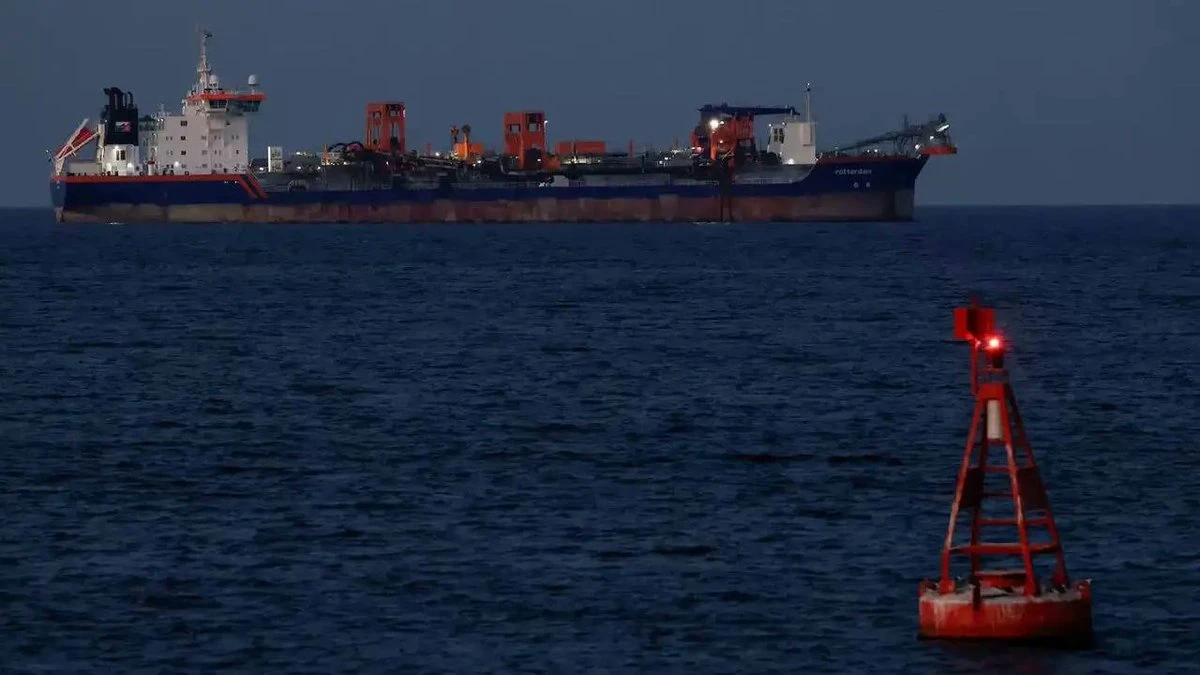
The escalating maritime conflict in the Gulf has claimed the lives of six Indian nationals, with one more person still reported missing. During an inter-ministerial briefing in New Delhi on 29 September 2026, Aseem R. Mahajan, the Additional Secretary (Gulf) for the Ministry of External Affairs, confirmed that the casualties occurred across several nations, including the UAE, Saudi Arabia, Oman, and Iraq.
The Tragedy of the MV Cape Dao
Among those confirmed dead was 23-year-old Suraj Yadav, who served as a wiper on the MV Cape Dao, a bulk carrier flying the flag of Antigua and Barbuda. The vessel was struck by two projectiles near the Strait of Hormuz on 23 September, causing significant damage to the engine-room hull and the C-deck.
Yadav had only recently joined the vessel on 19 August 2026. While the Royal Navy of Oman successfully rescued 19 other Indian crew members from the ship, his family in Karmajitpur, Deoria, is currently facing immense difficulties in attempting to repatriate his remains. His uncle, Awadhesh Yadav, expressed the family's struggle amidst the ongoing regional instability.
Hundreds of Mariners Stranded at Sea
As commercial shipping operations have effectively frozen due to the heightened risks, a significant number of Indian maritime workers are caught in the crossfire. Currently, 768 Indian mariners are stranded across 28 Indian-flagged cargo ships and tankers. While the Directorate General of Shipping has managed to evacuate 215 seafarers from Muscat and Bahrain, many others remain stuck with dwindling supplies of essential resources like water and fuel.
The scale of the Indian maritime presence in the region is substantial:
- UAE: 12,830 mariners
- Saudi Arabia: 3,131 mariners
- Qatar: 2,372 mariners
- Oman: 1,687 mariners
- Bahrain: 276 mariners
Calls for Urgent Protection and Crisis Management
Manoj Yadav, the general secretary of the Forward Seamen’s Union of India, has raised serious concerns regarding the nature of these maritime incidents. He stated that the attacks are not random, noting that ship infrastructure, such as the bridge and engine rooms, are being deliberately targeted. In response to these threats, the union is demanding the establishment of a standing crisis cell under the Prime Minister's Office to better protect shipping routes in the Red Sea, the Black Sea, the Gulf of Oman, and the Strait of Hormuz.
On the diplomatic front, External Affairs Minister S. Jaishankar addressed the United Nations General Assembly, where he condemned the attacks on commercial vessels as unacceptable. He joined 24 other nations in calling for immediate restraint in the region.
While air travel corridors from the UAE and Saudi Arabia remain operational, high-risk zones continue to persist near Aden, Fujairah, Muscat, and Yemen. The current crisis marks a violent shift in regional safety; prior to this conflict, between 2023 and 2025, workplace deaths among Indians in the Gulf averaged nearly three per week, primarily within Saudi Arabia and the UAE.