Indian Sailor Killed in Hormuz Strike: Family Demands Justice
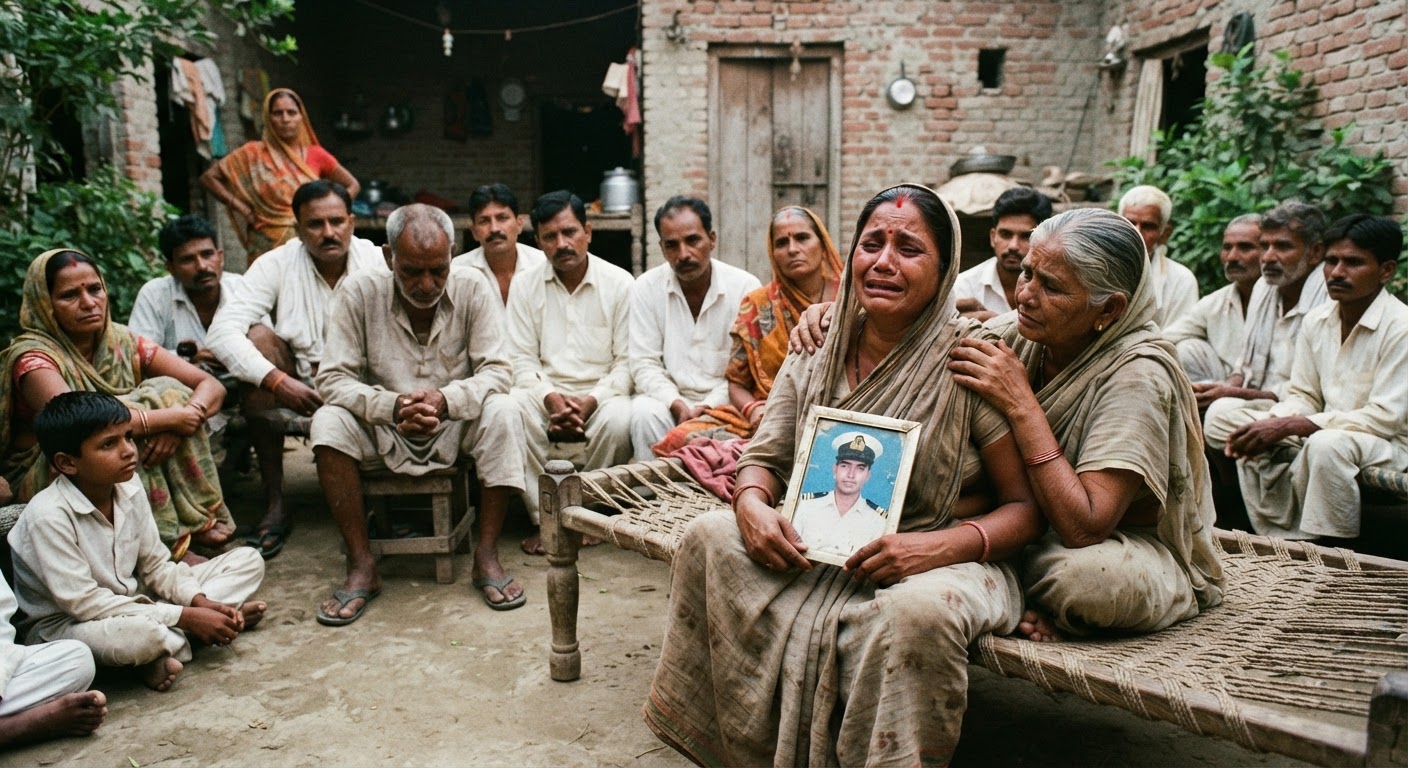
The family of a young Indian sailor killed in a Hormuz strike is demanding urgent accountability following the tragic death of 23-year-old Suraj Yadav. The merchant seafarer lost his life when the Antigua and Barbuda-flagged bulk carrier, MV Cape Dao, was struck by two projectiles off the coast of Oman on September 23.
A Life Cut Short
Suraj Yadav, a resident of Karmajitpur in Uttar Pradesh, had been working at sea for only one month. In a heartbreaking turn of events, the fatal attack occurred just two hours after he had completed a video call with his family. Yadav died from a severe head wound sustained during the strike.
The Oman Navy successfully rescued 27 crew members from the vessel, including one other injured Indian national. The Indian Embassy in Muscat is currently working alongside Omani authorities to facilitate the repatriation of Yadav's remains to India.
"Fight with each other, leave our children alone; they are innocent," said Awadhesh Yadav, the victim's uncle, as he questioned why innocent lives are being lost in the ongoing conflict.
Rising Maritime Insecurity
The MV Cape Dao had departed from Mina Saqr in the UAE, bound for India, carrying a crew of 28, which included 20 Indian nationals. Despite the incident, neither the United States nor Iran has claimed responsibility for the attack on the vessel.
This tragedy is part of a worsening trend in the region. Since the escalation of the US-Iran conflict on February 28, data indicates that 24 sailors have been killed across 85 commercial shipping incidents in the Middle East and the Hormuz region. Addressing the UN General Assembly, Indian External Affairs Minister S. Jaishankar described the targeting of seafarers as "unacceptable" and "no longer exceptional," joining 24 other nations in calling for restraint.
Indian Mariners in the Line of Fire
The scale of the risk to Indian maritime workers is significant. According to the Ministry of External Affairs, there are currently 163 Indian seafarers on six India-flagged and six foreign-flagged vessels positioned west of the Strait of Hormuz. Beyond these specific vessels, more than 4,500 Indian mariners are operating throughout the Persian Gulf.
Recent reports from MEA Additional Secretary Aseem R. Mahajan highlight the volatility of the region, noting that six Indians have died and one remains missing across Saudi Arabia, Oman, Iraq, and the UAE. The distribution of Indian mariners in the Gulf includes:
- UAE: 12,830
- Saudi Arabia: 3,131
- Qatar: 2,372
- Oman: 1,687
- Bahrain: 276
Demands for Compensation and Status
In the wake of the tragedy, the Forward Seafarers Union of India (FSUI) and Yadav's family have issued a series of demands to address the loss. They are seeking:
- $5 million in compensation per family from the parties involved in the conflict.
- Rs 1 crore in ex-gratia payment from the Indian government.
- Martyr status for the deceased seafarer.
- A compassionate job placement for the family.
The incident underscores the vulnerability of the global maritime workforce, of which Indian seafarers make up approximately 12 percent. This sector is vital to India's economy, as more than 90 percent of the nation's trade by volume is transported via the sea.