MEA Confirms 22 Indians Killed in West Asia Conflict
India's MEA confirms 22 Indian nationals, including 14 seafarers, have died in the ongoing West Asia conflict since February.
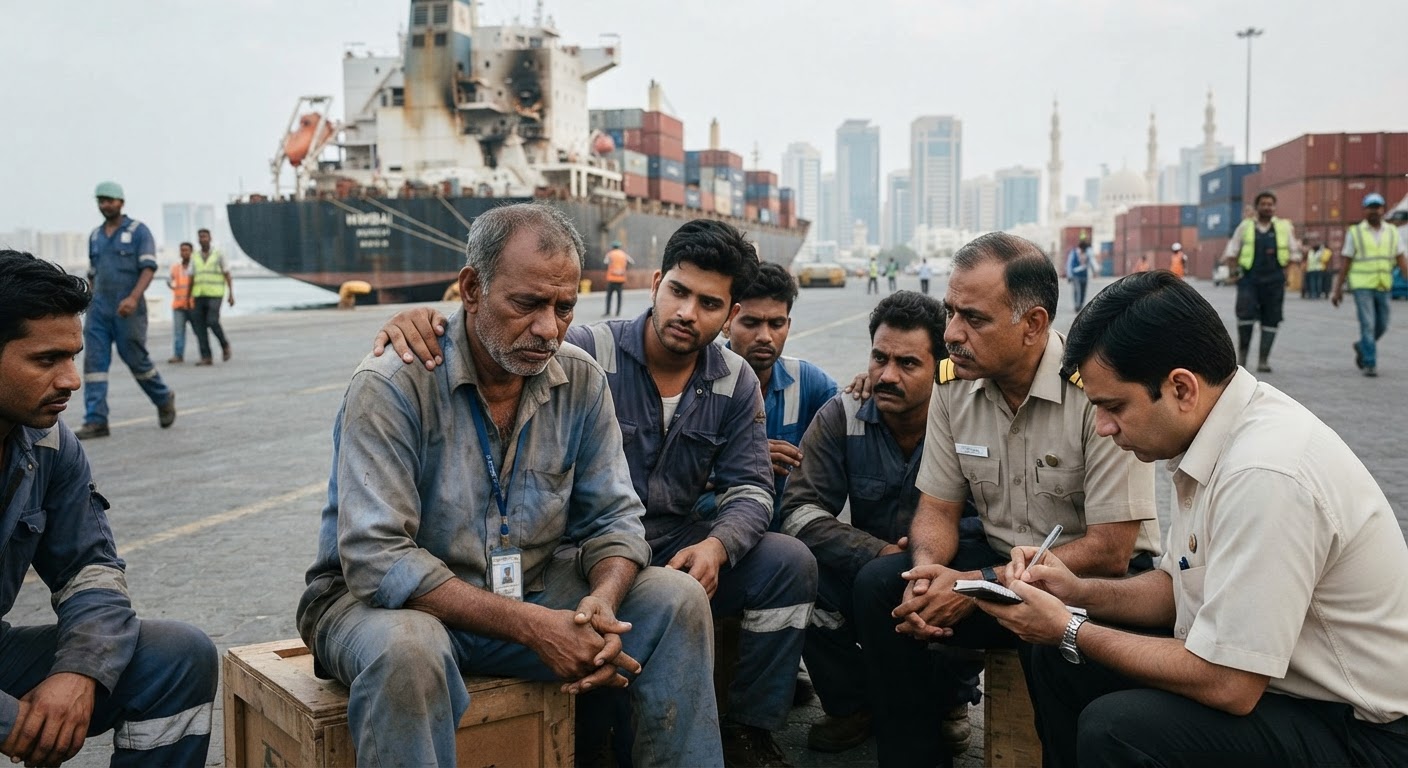
India's Ministry of External Affairs (MEA) has confirmed a grim toll from the ongoing West Asia conflict, stating that 22 Indian nationals have been killed since February. The fatalities include 14 seafarers, highlighting the extreme dangers faced by Indian maritime workers caught in the crossfire of regional hostilities.
During a bi-weekly briefing in New Delhi on October 28, 2026, MEA spokesperson Randhir Jaiswal expressed deep concern over the deaths. He noted that three of these fatalities occurred within Saudi Arabia, as the regional instability continues to impact the massive Indian diaspora living in the Gulf.
Tragedy at Sea and on Land
The maritime sector has borne a significant portion of the casualties. Indian seafarers operating on foreign-flagged tankers have been operating under constant threat. Several vessels have been specifically identified as being caught in the conflict zone:
- MT Settebello (Palau-flagged): A tragic incident involving this vessel saw three Indians killed by US forces off the coast of Oman.
- MKD Vyom (Marshall Islands-flagged)
- Skylight (Palau-flagged)
- MT El Gaia and MT Petro Dolphin: Both vessels were affected near the Sohar Anchorage in Oman.
On land, the conflict has also claimed civilian lives. On October 10, a devastating incident at King Khalid International Airport in Riyadh resulted in 13 deaths and over 300 injuries. Among the deceased was 46-year-old Mohammed Yousuf Ali, an IT professional from Hyderabad; his sons were also reported among the wounded in the attack.
Escalation of the West Asia Crisis
The current wave of violence intensified in late February following US and Israeli strikes on Iran, which resulted in the death of the Iranian Supreme Leader. This event triggered a series of retaliatory actions, including strikes against US bases and restrictions on the vital Strait of Hormuz.
The instability has extended to Saudi Arabian infrastructure, with Houthi forces launching missile and drone attacks against critical sites, including:
- King Khalid International Airport in Riyadh
- King Fahd International Airport in Dammam
- The Shaybah oil field
Mass Exodus and Diplomatic Response
The human cost of the conflict is staggering for the Indian community. With nearly 10 million Indians residing across GCC countries—including 2.74 million in Saudi Arabia alone—the security crisis has prompted a massive movement of people. Since February, more than 300,000 Indian citizens have fled the region to escape the violence.
In response to the deteriorating security situation, the Indian government and major carriers have taken emergency measures:
- Diplomatic Support: Indian missions in Riyadh and Jeddah have established 24/7 control rooms to assist citizens and have issued urgent safety advisories.
- Flight Suspensions: Major airlines, including Air India and IndiGo, have suspended flights to Riyadh, Jeddah, and Dammam.
- High-Level Diplomacy: Prime Minister Narendra Modi has held multiple discussions with Saudi Crown Prince Mohammed bin Salman, focusing on the urgent need to protect civilians and seafarers.
As the crisis persists, India continues to call for intense diplomacy and dialogue to resolve the conflict and ensure the safety of its millions of citizens in the region.