Indian Expats Face Growing Security Threats in the Gulf
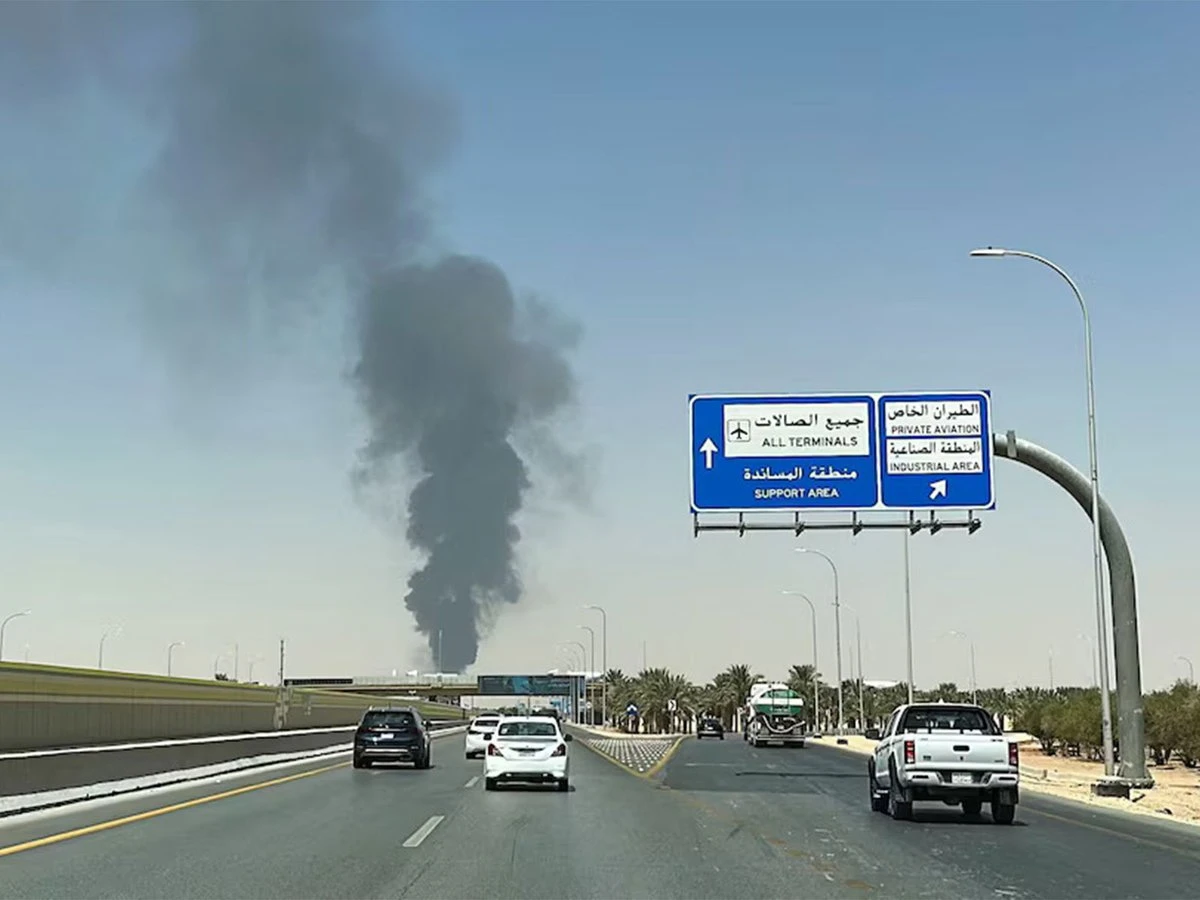
The Indian diaspora in the GCC is facing escalating Indian expats security threats following a series of Houthi-claimed attacks, maritime strikes, and industrial accidents that have claimed lives and disrupted essential travel across the region.
Tragedy at Riyadh’s King Khalid International Airport
On October 10, a devastating missile attack struck Riyadh’s King Khalid International Airport, resulting in the death of Mohammed Yousuf Ali, a 46-year-old IT professional from Hyderabad. Ali, who had lived in the Saudi capital for a decade, was waiting with his family to depart for Medina for Umrah when the terminal was hit.
The attack left his family in critical condition; his two sons sustained severe injuries requiring major surgery, including the loss of toes, while his wife and daughter also suffered wounds. The incident was part of a larger strike that resulted in 13 deaths and over 300 injuries, including 11 Indian nationals. As of October 16, the Indian Embassy in Riyadh confirmed that two Indian citizens remain in intensive care.
Maritime Attacks and Missing Sailors
The security situation has also heavily impacted the shipping industry. On October 11, a drone strike targeted the MT Petro Dolphin, a Nicaragua-flagged tanker, at the Sohar Anchorage off the coast of Oman. While nine of the 11 Indian crew members were successfully rescued, two sailors from Uttar Pradesh—Amit Singh and Bir Bahadur Yadav—remain missing.
In a separate maritime incident, the vessel MT Valthera was struck in the Strait of Hormuz. Fortunately, the Indian crew members on board survived the encounter. These attacks have heightened concerns regarding the safety of merchant vessels navigating the volatile waters of the Gulf.
Industrial Accident in Jizan
Adding to the period of hardship, a fatal industrial accident occurred in Jizan, Saudi Arabia, on October 13. Kashireddy Rakesh, a 27-year-old from Telangana, was killed when a pipe being lifted by a crane collapsed on him. His remains were moved to the New General Hospital in Al Darb, with local community associations providing assistance to his family.
Travel Disruptions and Emergency Advisories
The instability has led to significant disruptions in air travel. Major carriers, including Air India, IndiGo, Air India Express, and Akasa, have suspended flights to and from the region, with suspensions expected to remain in place until at least October 17.
In response to the growing volatility, the Indian Ambassador to Saudi Arabia, Vipul, issued an urgent advisory to all citizens. The embassy has urged Indians to:
- Remain calm during periods of unrest.
- Avoid filming or sharing footage of attacks, as this may violate local laws.
- Utilize 24/7 embassy helplines for immediate assistance.
For those seeking to exit the region, the embassy has advised considering alternative routes through Bahrain, Kuwait, or Qatar.
International Diplomatic Response
On October 16, India’s Permanent Representative to the UN Security Council, Parvathaneni Harish, addressed the global community regarding the safety of the 10 million Indians residing in GCC countries. He strongly condemned the attacks on civilian infrastructure and shipping, specifically citing the strike on the India-flagged MV DP World Cauvery.
To address the vulnerability of maritime workers, the Indian government highlighted Prime Minister Narendra Modi’s proposal for a Seafarers Emergency Support Network, aimed at providing rapid assistance to sailors caught in conflict zones.