Indian Expats Face Security Crisis in Gulf Amid Strikes
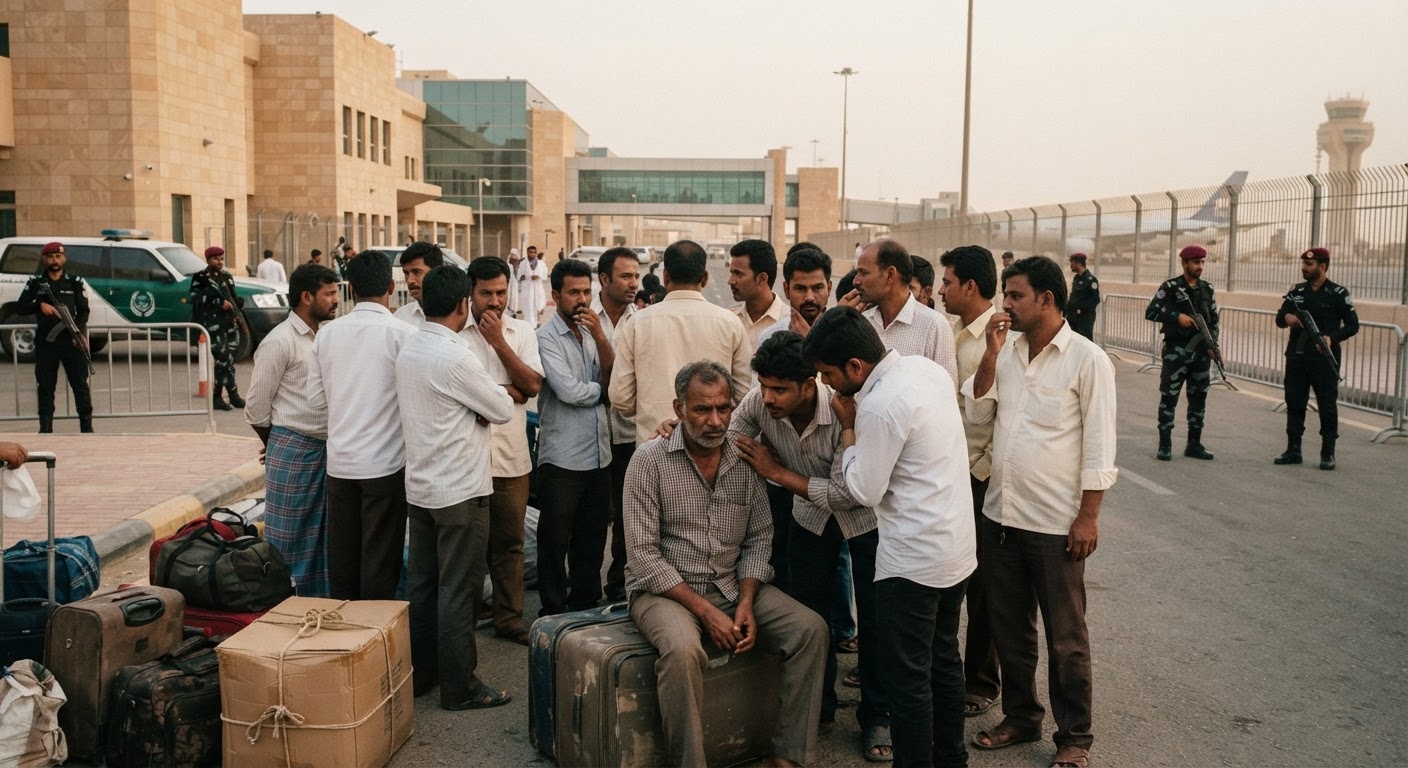
A wave of violent incidents, ranging from missile strikes on major airports to targeted attacks on commercial vessels, has left the Indian expatriate community in the Gulf in a state of shock and distress. The escalating security instability has resulted in multiple casualties, including several Indian nationals, and has forced major airlines to suspend operations across the region.
Tragedy at Riyadh’s King Khalid International Airport
The security situation turned fatal on October 10, when a Houthi missile strike hit Riyadh’s King Khalid International Airport. Among the victims was 46-year-old Mohammed Yousuf Ali, an IT professional from Mehdipatnam, Hyderabad, who had been living in Saudi Arabia for a decade. Ali was visiting the Kingdom with his family for a pilgrimage when the strike occurred.
The attack also caused significant injuries to his family members:
- Aman (18): Sustained severe injuries, including the loss of toes.
- Wasi (16): Required surgery on his knee.
- Wife and daughter (Maryam): Both sustained minor injuries.
Saudi authorities reported a total of 13 deaths resulting from the strike. Out of more than 300 individuals injured, 11 were Indian nationals, with two remaining in intensive care as of mid-October.
Maritime Attacks and Missing Sailors
The instability has extended to the sea, with maritime security deteriorating rapidly in key shipping lanes. On October 11, a drone strike targeted the Nicaragua-flagged tanker MT Petro Dolphin at the Sohar Anchorage off the coast of Oman.
Following the strike, two Indian sailors from Uttar Pradesh—Amit Singh of Kushinagar and Bir Bahadur Yadav of Deoria—were reported missing. Both men were reportedly on their maiden voyage at the time of the incident.
On the same day, the MT Valthera was struck in the Strait of Hormuz. While the Indian crew members on board survived the encounter, the incident underscores the growing danger facing commercial shipping in the region.
Flight Suspensions and Travel Disruptions
In response to the heightened security risks, several major airlines have taken preemptive measures to protect passengers. Air India, Air India Express, IndiGo, and Akasa Air have all suspended flights to Riyadh, Jeddah, and Dammam until at least October 24.
For travellers affected by these changes, the following policies are in place:
- Passengers with bookings made before October 15 for travel between October 9 and 25 are eligible for free date changes until November 10.
- Travelers may opt to rebook via other GCC hubs.
- Full refunds are available for those unable to travel.
Diplomatic Response and Global Concerns
The Indian government has been actively engaging with international bodies to address the crisis. During a United Nations Security Council meeting on October 16, India’s Permanent Representative, Parvathaneni Harish, addressed the council, noting that nearly 10 million Indians reside in the GCC.
Harish condemned the attacks on civilian infrastructure and shipping, specifically mentioning the India-flagged MV DP World Kaveri. He also highlighted Prime Minister Narendra Modi’s proposal for a Seafarers Emergency Support Network to protect maritime workers.
The Indian Ambassador in Riyadh, Vipul, has urged Indian citizens to remain calm and avoid filming any security strikes. He also advised citizens to utilize the 24/7 embassy helplines for assistance. Meanwhile, the Indian Navy’s INS Sudarshini visited Salalah, Oman, on October 16-17 as part of its Lokayan-26 expedition, signaling a continued presence in the region.
Workplace Fatalities
Adding to the grim news, a workplace accident in Jizan, Saudi Arabia, claimed the life of 27-year-old Kashireddy Rakesh, a native of Telangana, on October 13. The fatality occurred when a crane-lifted pipe collapsed during operations.