Indian Expats Face Danger Amid Gulf Missile and Drone Strikes
The Gulf region is currently experiencing a period of intense instability, leaving Indian expatriates caught in the middle of missile strikes, drone attacks, and maritime incidents. These escalating security threats have resulted in fatalities, missing crew members, and major disruptions to international flight schedules.
Casualties in Riyadh and Maritime Attacks
A major tragedy occurred on October 10 when a Houthi missile struck King Khalid International Airport in Riyadh. The attack claimed the life of 46-year-old Mohammed Yousuf Ali, an IT professional from Mehdipatnam, Hyderabad, who was traveling with his family for Umrah. The strike also wounded 11 other Indian nationals, with two individuals remaining in intensive care as of mid-October. Saudi authorities reported that the strike caused 13 total fatalities and over 300 injuries.
The maritime sector has also been targeted. On October 11, a drone strike hit the Nicaragua-flagged tanker MT Petro Dolphin at the Sohar Anchorage in Oman. While nine of the 11 Indian crew members were successfully rescued, two sailors remain missing:
- Amit Singh, aged 20-25, from Gopala village, Kushinagar.
- Bir Bahadur Yadav, aged 25-26, from Deoria.
Both men were reportedly on the main deck during their maiden sailing assignments when the impact occurred. The Omani Coast Guard is currently conducting search-and-rescue operations. Additionally, the tanker MT Valthera was struck in the Strait of Hormuz, though all Indian crew members on board survived the incident.
Workplace Accidents and Regional Impact
Beyond the direct military strikes, Indian nationals have faced other perils. On October 13, 27-year-old Kashireddy Rakesh from Telangana died in Jizan, Saudi Arabia, following a workplace accident involving a collapsed pipe being moved by a crane. Furthermore, reports indicated that debris from a recent interception caused minor injuries to Indian nationals in southern Dubai.
Despite these incidents, the Shipping Ministry reported on October 17 that all other Indian seafarers currently in the Persian Gulf are safe, and vessel monitoring is ongoing.
Flight Suspensions and Passenger Rights
The security situation has forced major airlines to alter their operations. Air India, Air India Express, IndiGo, and Akasa have all suspended flights to Riyadh, Jeddah, and Dammam until at least October 24.
For travelers affected by these disruptions, the following policies have been implemented:
- Passengers with bookings made on or before October 15 for travel between October 9 and October 25 are eligible for free date changes until November 10.
- Alternative GCC departures are being offered.
- Full refunds are available for those unable to travel.
Some local authorities have also moved to waive overstay fines for travelers who have become stranded due to these circumstances.
Diplomatic Response and Safety Advice
India has taken a firm stance on the escalating violence. India’s Permanent Representative to the UN, Parvathaneni Harish, addressed the UN Security Council on October 16, emphasizing that the safety of the 10 million Indians living in GCC countries is a core national interest. He condemned attacks on commercial shipping and civilian infrastructure, specifically citing the MV DP World Kaveri.
In Riyadh, Ambassador Vipul has issued urgent advice to Indian nationals, urging them to:
- Remain calm.
- Avoid filming any military activity.
- Utilize available 24/7 helplines.
The Ambassador also noted that exit routes via Bahrain, Kuwait, or Qatar remain available for those seeking to leave the region.
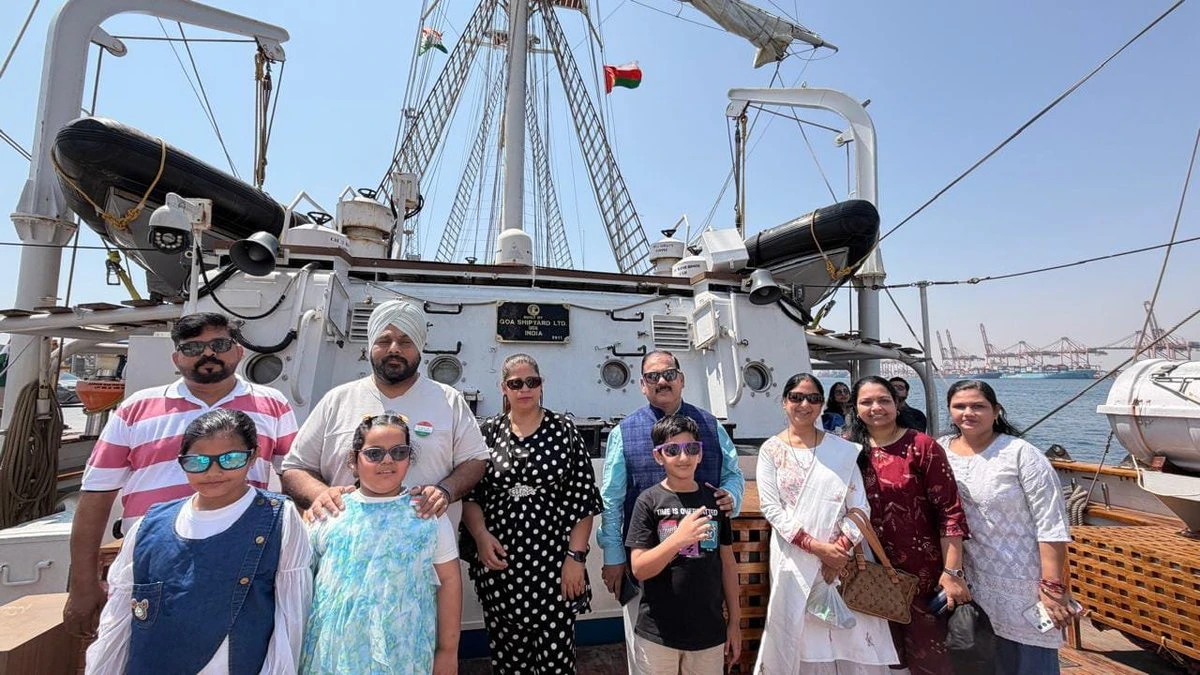
Amidst the tension, the Indian Navy sail training ship INS Sudarshini recently hosted over 500 members of the Indian diaspora in Salalah, Oman, on October 16-17, as part of the Lokayan-26 expedition, showcasing maritime traditions during a period of high regional alert.