India Tackles Gulf Labour Crisis: High-Level Talks in Dubai Address Unpaid Wages and Worker Safety
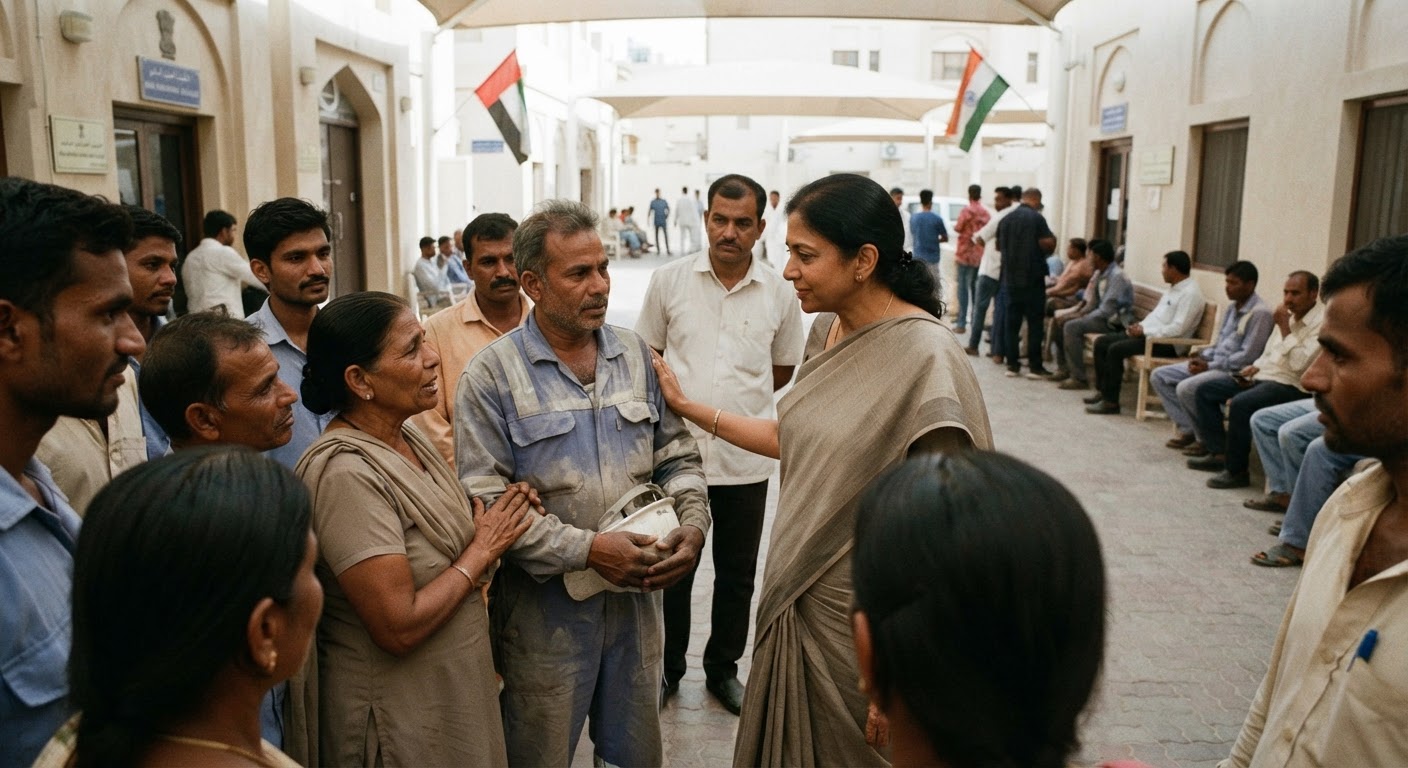
In a decisive move to safeguard the rights of Indian expatriates, Sripriya Ranganathan, India’s Secretary for Consular, Passport, Visa and Overseas Indian Affairs, convened two high-level consultation sessions at the Consulate General of India in Dubai on 25 September 2026. The meetings were designed to confront the systemic challenges currently facing blue-collar and domestic workers, while simultaneously tightening the regulatory grip on recruitment agencies operating within the region.
The Alarming Human Cost of Migration
The urgency of these discussions is underscored by sobering data from the Ministry of External Affairs. Between 2023 and 2025, more than 800 Indian nationals lost their lives in workplace accidents while working abroad. A staggering 55 percent of these fatalities occurred within the Gulf Cooperation Council (GCC) countries.
- Saudi Arabia: Recorded 182 fatalities.
- United Arab Emirates: Recorded 128 fatalities.
With the Indian population in the UAE exceeding 4.3 million and over 2.7 million in Saudi Arabia, the scale of the diaspora—totaling approximately 10 million across the six GCC states—makes worker protection a matter of critical national importance.
Addressing Unpaid Wages and Systemic Barriers
During the first session, community members raised harrowing accounts of the daily struggles faced by migrant workers. The discussions highlighted several critical areas where workers are being left vulnerable:
- Unpaid wages and the failure of employers to provide timely compensation.
- Withheld passports, which strip workers of their autonomy and freedom of movement.
- Barriers to support, including difficulties in accessing the 24/7 helpline and the Pravasi Bharatiya Sahayata Kendra.
These grievances follow intense public scrutiny of recruitment practices, exemplified by the recent case of Sheikh Meraj from Bihar, which exposed significant discrepancies between promised employment terms and the reality on the ground.
Strengthening Recruitment and Legal Frameworks
The second session shifted focus toward the industry's gatekeepers: recruiting agencies and legal firms. The objective was to enforce safe migration