MEA Tracks 4,500 Indian Seafarers Amid Rising Gulf Maritime Attacks
The Indian Ministry of External Affairs (MEA) has initiated intensive monitoring of more than 4,500 Indian seafarers currently navigating the Persian Gulf. This move comes in response to a surge in maritime attacks that have threatened the safety of commercial shipping in the region.
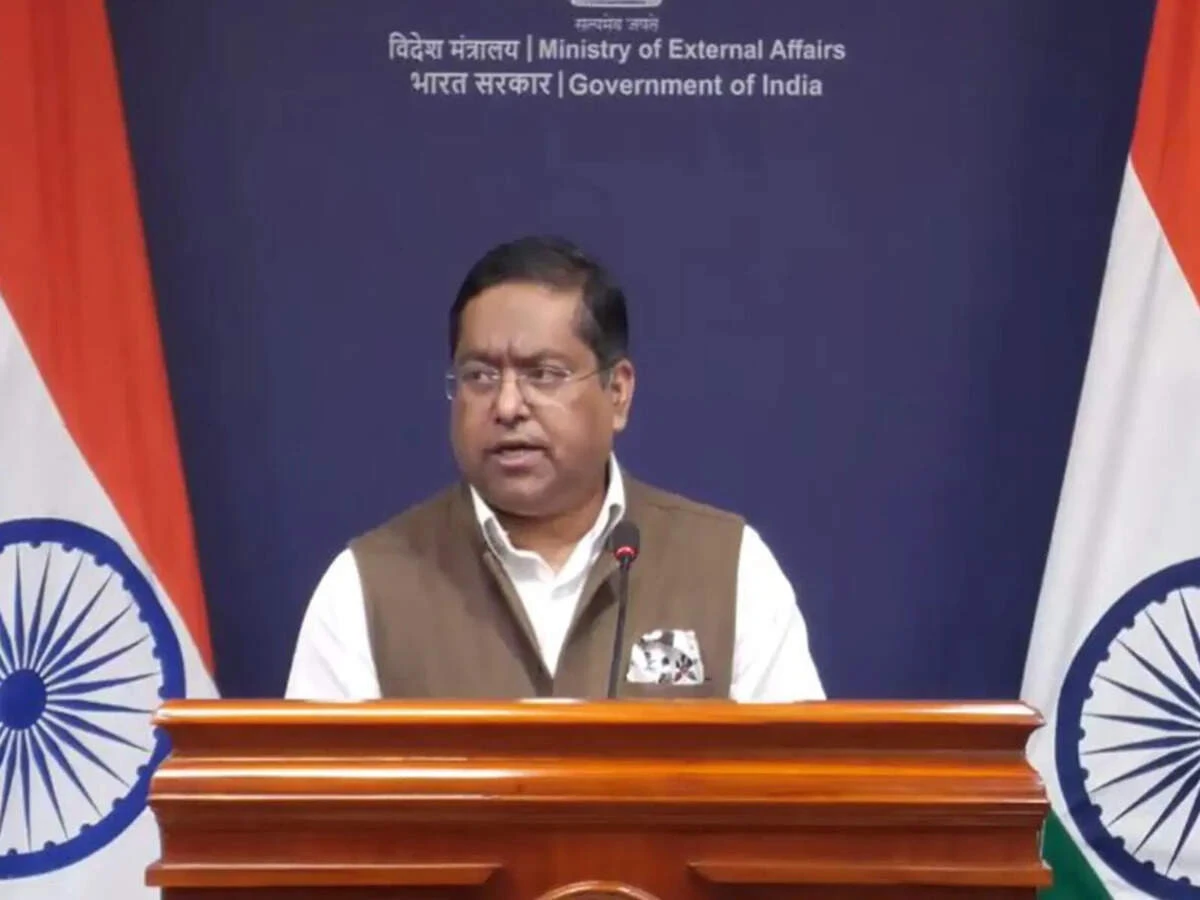
MEA spokesperson Randhir Jaiswal confirmed on Tuesday that 163 Indian crew members are currently stationed on 12 commercial vessels positioned west of the Strait of Hormuz. These vessels include six ships flying the Indian flag and six foreign-flagged ships transporting cargo destined for India. The Ministry of Shipping, along with Indian diplomatic missions and local authorities, is closely tracking the situation to ensure the welfare of the seafaring community.
The Human Cost of Maritime Violence
The escalating hostilities have already resulted in tragic loss of life. A strike on the Antigua-flagged vessel MV Cape Dao off the coast of Musandam, Oman, claimed the life of 26-year-old Suraj Yadav, a wiper from Deoria, Uttar Pradesh. While the Royal Navy of Oman successfully rescued 19 other Indian crew members from the incident, Yadav's body has yet to be returned to his family.
Beyond this specific incident, officials have confirmed a broader impact, reporting six Indian deaths and one missing person across Saudi Arabia, Oman, Iraq, and the UAE. These fatalities highlight the growing dangers faced by merchant crews in vital sea lanes.
Scale of Indian Presence in the Gulf
While the MEA is specifically monitoring 4,500 seafarers, the total number of Indian mariners in the region is significantly higher. Data from the Directorate General of Shipping indicates that approximately 23,000 Indian mariners are currently located in Gulf waters and ports. The distribution is as follows:
- UAE: 12,830
- Saudi Arabia: 3,131
- Qatar: 2,372
- Oman: 1,687
- Bahrain: 276
In addition to those at sea, previous reports highlighted that 768 Indians were stranded on 28 Indian-flagged tankers and cargo ships following a suspension of commercial traffic.
Diplomatic Response and Support Systems
Addressing the global community at the UN General Assembly, External Affairs Minister S. Jaishankar denounced the violence against commercial shipping in the Gulf, Red Sea, and Black Sea, calling such actions unacceptable. To combat this, India has joined a coalition alongside Liberia and 23 other nations aimed at protecting merchant crews and securing essential sea lanes.
As maritime unions express growing concern regarding potential shortages of food, medicine, and unpaid wages, the Indian government has implemented several support measures:
- 24-Hour Helplines: Operating through diplomatic missions to provide immediate assistance.
- Evacuation Coordination: Working with host governments to facilitate flights out of the UAE, Riyadh, Jeddah, Dammam, Doha, and Bahrain via Saudi Arabia.
- Diplomatic Liaison: Constant coordination with host nations to manage the crisis and ensure energy and trade security.
Minister Jaishankar has called for an immediate de-escalation of tensions to prevent further impact on global trade and the safety of essential workers.