India Demands Protection for Citizens in Gulf After Riyadh Strike
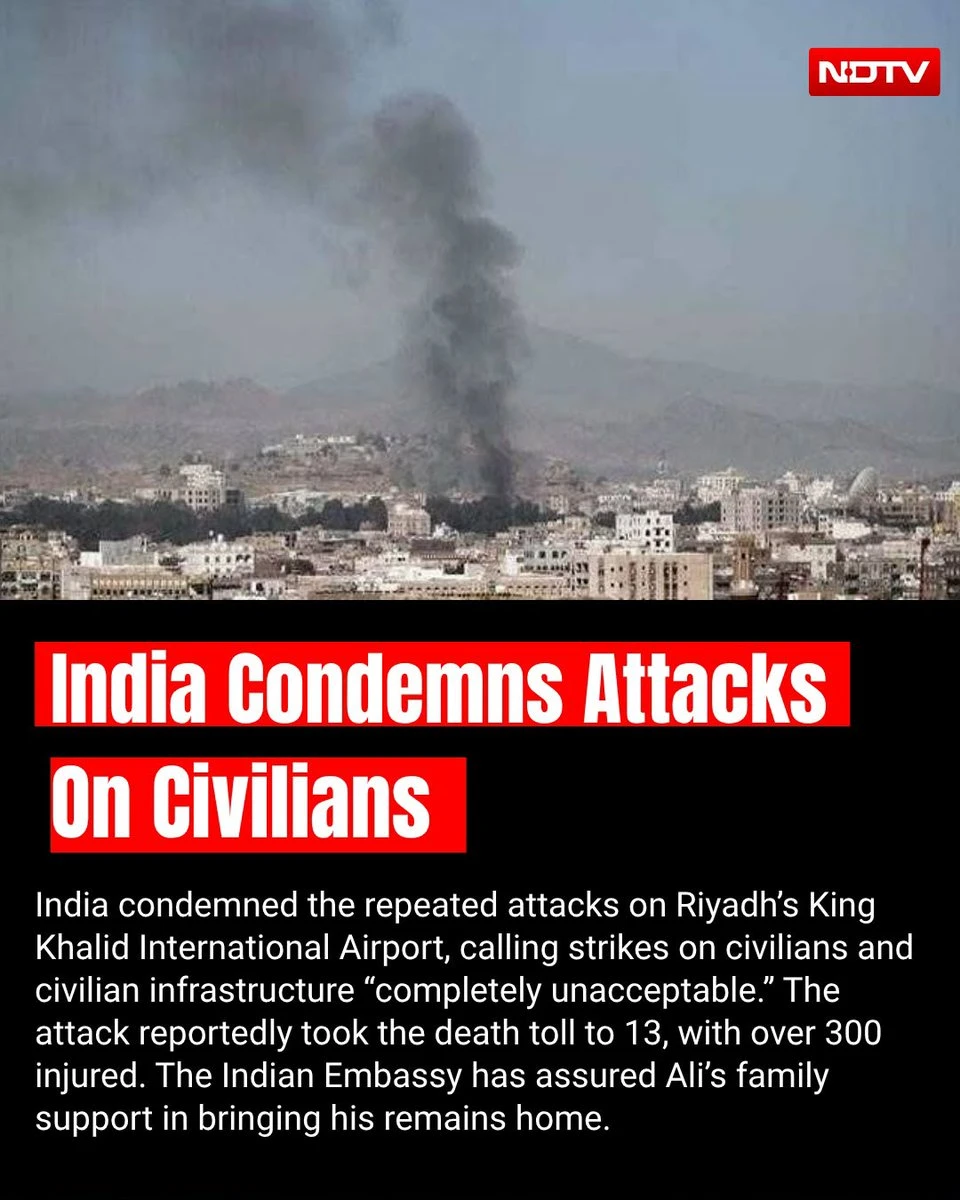
India has made a high-stakes appeal to the United Nations Security Council, demanding urgent priority for Indian citizens protection in the Gulf following a lethal missile strike at Riyadh's King Khalid International Airport.
The move comes as New Delhi seeks to safeguard nearly 10 million Indian nationals residing across the GCC amidst rising regional instability and security threats.
A Deadly Strike in Riyadh
The incident occurred on October 10 when a projectile, attributed to Yemen’s Houthi forces, struck the airport. The attack resulted in 13 deaths, claiming the lives of nationals from various countries, including Bangladesh, Egypt, the US, and Saudi Arabia.
The Human Cost
Among the victims was Mohammed Yusuf Ali, a 46-year-old IT professional from Mehdipatnam, Hyderabad, who had been working in Riyadh for a decade. Mr. Ali was traveling with his family for an Umrah pilgrimage when he was fatally struck by flying debris.
The tragedy left his family in a state of physical and emotional devastation:
- His 18-year-old son, Aman Ali, and 16-year-old Wasi Ali sustained serious injuries, with one undergoing knee surgery and the other suffering the loss of three toes.
- His wife, Sameera, and 11-year-old daughter, Maryam, sustained minor injuries.
- An aunt also suffered head wounds during the attack.
Funeral prayers for Mr. Ali were held in Riyadh on October 12, with the Indian Ambassador in attendance.
Travel Disruptions and Safety Measures
The security threat has caused immediate disruptions to regional travel. Major Indian carriers, including Air India, IndiGo, Air India Express, and Akasa Air, suspended flights to Riyadh, Jeddah, Dammam, and Medina through October 17.
In response, the Indian Embassy in Riyadh has issued urgent advisories, urging citizens to remain vigilant and suggesting alternative travel routes via Qatar, Kuwait, or Bahrain to avoid the affected areas.
Maritime Threats and Global Response
India's Permanent Representative to the UN, Ambassador Parvathaneni Harish, also addressed the growing dangers facing Indian seafarers. He highlighted recent attacks on vessels such as the MV DP World Kaveri, MT Petro Dolphin, and MT Walthera, describing these acts as legally and morally indefensible.
To address these maritime risks, Prime Minister Narendra Modi has proposed a Seafarers’ Emergency Support Network, which is designed to manage medical aid and distress alerts for those at sea.
External Affairs Minister S. Jaishankar has pledged full government assistance to all affected families. Meanwhile, Indian missions continue to operate emergency helplines and coordinate repatriations as regional hostilities persist.